

 Oil On PanelWallArtNorthern Renaissance
 1515Renaissance
 232.0 x 76.0 cm
 Musée d'Unterlinden
Museum-quality giclée or canvas print with fast production and flexible finish options. ( Buy Hand Made Painting Switch to Digital Image)





























Pick from our preset sizes that match the artwork's original proportions.

You may enter your own dimensions to fit a specific frame or space. If your selected size does not match the original image's proportions, we will either crop the artwork or extend the image with a mirrored or solid-fill edge. A digital mockup will be sent for your approval before production begins.
Please note that the on-screen preview does not reflect the actual cropping or extension. Only the mockup will accurately show the final composition.
While custom sizes are available, we recommend selecting a dimension from the predefined list to preserve the original proportions.
Worldwide Delivery () in 2 weeks instead of standard 4/5 weeks. (18 September)


St Sebastian
Reproduction Size
In the quiet corridors of the Musée d'Unterlinden, there exists a painting that does not merely depict a scene, but breathes with the raw, unshielded intensity of human suffering and divine resilience. Matthias Grünewald’s St Sebastian, completed around 1515, is far more than a religious icon; it is a profound psychological landscape. At first glance, the viewer is struck by the visceral reality of the figure—a man caught in the agonizing intersection of physical torment and spiritual transcendence. Unlike many Renaissance depictions that favor idealized, classical beauty, Grünewald embraces a Northern European tradition of unflinching realism. The saint’s body, pierced by arrows, serves as a canvas for an exploration of pain, yet there is an undeniable elegance in his posture that suggests a soul already beginning its ascent toward the divine.
The composition is a masterclass in dramatic tension and atmospheric depth. Grünewald utilizes a somber, dark interior to push the figure of St. Sebastian into the immediate foreground, creating an intimacy that feels almost intrusive. Light plays a pivotal role here, streaming from a window on the left to sculpt the musculature of the torso and illuminate the wounds with a haunting clarity. This use of chiaroscuro—the dramatic interplay of light and shadow—does more than create three-dimensional form; it directs the viewer's emotional journey, pulling our eyes toward the crimson marks of martyrdom. The presence of a delicate vase of flowers on the periphery offers a poignant contrast, a fleeting whisper of natural beauty set against the heavy, eternal weight of the saint's sacrifice.
To gaze upon this masterpiece is to read a complex language of symbols deeply rooted in the late medieval and early Northern Renaissance consciousness. Each arrow embedded in the flesh is not merely a weapon of execution but a symbol of the piercing nature of faith and the shared suffering of Christ. The vibrant yet subdued palette, dominated by earthy tones and punctuated by sudden, startling flashes of red, mirrors the biological reality of blood and wound. Grünew nwald’s technique involves a meticulous layering of oil paint that creates an illusionistic surface, allowing the textures of skin, fabric, and light to feel palpably real. His brushwork, while precise in anatomical detail, possesses a rhythmic energy that captures the very vibration of life under duress.
For the discerning collector or interior designer, a reproduction of this work offers more than mere decoration; it provides a focal point of profound intellectual and emotional gravity. The painting’s ability to command a room lies in its duality—it is simultaneously unsettling and deeply comforting. It invites contemplation on themes of endurance, the beauty found within struggle, and the transformative power of devotion. Whether placed in a curated gallery setting or as a centerpiece in a sophisticated study, St Sebastian serves as a timeless testament to the human spirit's capacity to endure the unimaginable and emerge with a quiet, luminous dignity.

Matthias Grünewald, born Mathis Gothart Neithardt around 1470-1475 in Würzburg, Germany, was a pivotal figure of the German Renaissance. Despite living during a period increasingly influenced by Italian Renaissance ideals, Grünewald remained deeply rooted in the artistic traditions of late medieval Central Europe. Details about his early life are scarce, but it’s known he received training as an artist, likely within local workshops.
Grünewald's artistic development was shaped by the prevailing Northern European traditions of realism, emotional intensity, and detailed observation. His work shows influences from artists like Albrecht Dürer and Martin Schongauer, but he forged a unique path characterized by dramatic expression and vivid color. He wasn’t directly involved with the humanist circles prevalent in Italy; instead, his art served primarily religious purposes, reflecting the spiritual anxieties of his time.
Grünewald's style is distinguished by:
Grünewald's work stands as a testament to the enduring power of medieval artistic traditions in Germany during the Renaissance. He bridged the gap between the late Gothic style and the emerging Renaissance, creating a unique visual language that resonated with his contemporaries. His influence can be seen in later German artists who continued to explore themes of religious fervor and emotional intensity. While largely forgotten for centuries after his death in 1528, Grünewald experienced a revival in the 19th century, and today he is recognized as one of the most important painters of the German Renaissance. His art continues to captivate viewers with its raw emotion, technical brilliance, and profound spiritual depth.
Discover more about Matthias Grünewald’s life and works at: WahooArt

1480 - 1528 , Germany

Explore the intricate beauty of Northern Renaissance art. Discover the revolutionary oil techniques, profound symbolism, and microscopic realism of the Franco-Flemish masters in this expert guide for classical art enthusiasts.

Unveil the intricate mastery of Northern Renaissance Art. Explore the luminous oil techniques, hidden symbolism, and breathtaking realism of Flemish masters through an expert lens of art history and technical precision.
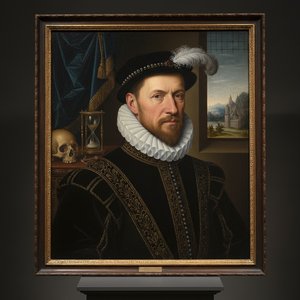
Explore the breathtaking precision of Hans Holbein the Younger. From Tudor royal portraits to intricate Northern Renaissance details, discover the mastery behind his legendary works and learn how to bring this historical grandeur into your collection with museum-quality reproductions.

Explore the dramatic evolution of Northern Mannerism. Discover how masters like Bosch and Grünewald transitioned from Renaissance harmony to profound, elegant distortion through an expert analysis of symbolism, emotional intensity, and artistic innovation.

 Preview
 Send
Send Share
Share
 Details

 Download
 Similars
 X-Ray
X-Ray Diaporama
 Stats
Stats Read More







 Glass option is only available in size under 110 CM


