
![Untitled (still Life) [recto] — Mark Rothko](/media/artworks/images-full/81/76/8176c34b64f9b62d916edb9a2704ad25.jpg)
Hand-painted oil on canvas in your size and frame, made to order by our artists. ( Switch to Print Switch to Digital Image)





























Pick from our preset sizes that match the artwork's original proportions.

You may enter your own dimensions to fit a specific frame or space. If your selected size does not match the original image's proportions, we will either crop the artwork or extend the painting with additional hand-painted elements. A digital mockup will be sent for your approval before production begins.
Please note that the on-screen preview does not reflect the actual cropping or extension. Only the mockup will accurately show the final composition.
While custom sizes are available, we recommend selecting a dimension from the predefined list to preserve the original proportions.
Worldwide Delivery () in 3/4 weeks instead of standard 5 weeks. (8 September). No compromise on quality.


Untitled (still life) [recto]
Reproduction Size
Created during Rothko’s formative years as an artist—roughly between 1940 and 1950—the painting reflects the broader anxieties of the post-war era. Abstract Expressionism arose in response to the devastation of World War II, rejecting traditional artistic conventions in favor of spontaneous gesture and emotional intensity. Artists like Rothko sought to grapple with existential questions about human existence, confronting themes of mortality and searching for solace amidst chaos.
While seemingly devoid of explicit imagery, “Untitled (still life)” is laden with symbolic significance. The bowl could represent containment—perhaps reflecting Rothko’s own preoccupation with confronting difficult emotions—while the vases symbolize growth and renewal. Even the inclusion of a head portrait adds another layer of complexity, hinting at contemplation and introspection. Rothko deliberately avoids providing answers; instead, he invites viewers to engage in their own emotional exploration.
The painting’s enduring appeal lies in its ability to evoke a profound sense of calm and melancholy. The muted colors—primarily reds, yellows, and blues—create an atmosphere of subdued luminosity that draws the eye inward. Rothko's masterful manipulation of color achieves something remarkable: it bypasses rational thought, tapping directly into primal emotions. It’s a piece designed not to impress but to resonate deeply within the viewer’s subconscious, prompting reflection on themes of beauty, sorrow, and the human condition.

1903 - 1970 , Latvia
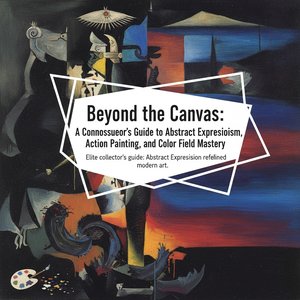
Unveil the visceral power of Abstract Expressionism. Our expert exploration delves into the transformative legacies of Pollock, Rothko, and De Kooning, offering discerning collectors a profound understanding of the New York School’s enduring mastery and historical impact.

Explore the profound legacy of American Modernism. From Geometric Abstraction to Abstract Expressionism, discover how this era redefined art history. Expert insights for elite collectors seeking to curate timeless, museum-quality masterpieces for their private collections.

 Preview
 Send
Send Share
Share
 Details

 Download
 Similars
 X-Ray
X-Ray Diaporama
 Stats
Stats
 Read More







 Glass option is only available in size under 110 CM


