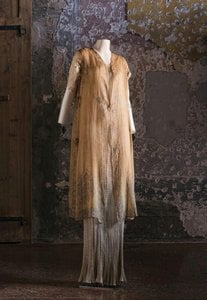
Acrylic On CanvasWallArtModernism
 1910
1910 69.0 x 42.0 cm
 Palazzo Fortuny
Museum-quality giclée or canvas print with fast production and flexible finish options. ( Buy Hand Made Painting Switch to Digital Image)





























Pick from our preset sizes that match the artwork's original proportions.

You may enter your own dimensions to fit a specific frame or space. If your selected size does not match the original image's proportions, we will either crop the artwork or extend the image with a mirrored or solid-fill edge. A digital mockup will be sent for your approval before production begins.
Please note that the on-screen preview does not reflect the actual cropping or extension. Only the mockup will accurately show the final composition.
While custom sizes are available, we recommend selecting a dimension from the predefined list to preserve the original proportions.
Worldwide Delivery () in 2 weeks instead of standard 4/5 weeks. (26 September)


Matrix for printing textiles
Reproduction Size
Mariano Fortuny y Madrazo (1871-1949), a Spanish artist and designer whose influence extended far beyond the realm of fashion, remains an icon of Art Nouveau and early Modernism. His oeuvre is characterized by a masterful blend of artistic innovation and meticulous craftsmanship—a combination perfectly embodied in “Matrix for Printing Textiles,” created in 1910.
This striking monochrome pencil drawing delves into the decorative potential of geometric forms, specifically circles and undulating waves, reflecting Fortuny’s fascination with natural motifs filtered through an aesthetic sensibility rooted in scientific observation. The piece isn't merely a visual pattern; it represents a pivotal moment in textile design history—a testament to Fortuny’s pioneering approach to illumination and his dedication to elevating the craft of printing.
“Matrix for Printing Textiles” firmly establishes Fortuny within the broader context of Art Nouveau, a movement that championed organic forms inspired by botanical studies and sought to fuse art and craftsmanship. His groundbreaking work on stage lighting—particularly his invention of the fortuny cyclorama dome—demonstrated an unwavering commitment to pushing artistic boundaries and redefining theatrical presentation.
Fortuny’s meticulous attention to detail reflects a broader intellectual curiosity, mirroring the scientific advancements of the era. He meticulously documented his experiments with reflected light, anticipating developments in illumination technology that would transform the visual experience of audiences worldwide.
Beyond its functional purpose as a textile design template, “Matrix for Printing Textiles” speaks to deeper themes of order and precision—values central to Fortuny’s artistic vision. The repetition of circular forms evokes notions of cyclical time and harmonious balance, while the undulating waves symbolize fluidity and dynamism.
Ultimately, this artwork transcends mere decoration; it embodies a celebration of craftsmanship and an aspiration for beauty rooted in scientific understanding. It serves as a poignant reminder of Fortuny’s enduring legacy—a testament to his ability to transform observation into artistic expression and elevate the art of printing to new heights.


1871 - 1949 , Spain

Explore the profound spiritual depth of geometric abstraction. From Malevich's Suprematism to modern masters, our expert guide reveals how pure form and color command presence in fine art collections.

Embark on a sophisticated journey through the tactile realm of textile art. Unveil the historical evolution from utilitarian craft to museum-grade masterpieces, exploring the intricate textures and legendary artists that redefine the boundaries of fine art.

 Preview
 Send
Send Share
Share
 Details
 Guide
Guide

 Download
 Similars
 X-Ray
X-Ray Diaporama
 Stats
Stats Read More







 Glass option is only available in size under 110 CM