

 Oil On CanvasWallArtRomanticism
 1921
1921 40.0 x 51.0 cm
 Walker Art Gallery
Museum-quality giclée or canvas print with fast production and flexible finish options. ( Buy Hand Made Painting Switch to Digital Image)





























Pick from our preset sizes that match the artwork's original proportions.

Type the width and the height you need, to fit your frame or your wall. A print can only be cut, never made bigger than the picture, so a size with a different shape loses a part of the image. We send you a digital mockup to approve before we print anything. The picture shown on this page does not show the real cut — only the mockup does.
Worldwide Delivery () in 2 weeks instead of standard 4/5 weeks. (26 October)
Waiting
Reproduction Size
"Waiting" by Marcus C Stone displays a discordant palette color harmony.
In "Waiting", a balanced contrast is paired with a discordant palette harmony.
"Waiting" by Marcus C Stone is on display at the Walker Art Gallery, Liverpool, United Kingdom. The museum listing refers to the original work, not to reproductions.

In the heart of the Victorian era, a period defined by its intricate social codes and deep-seated emotional narratives, Marcus Clayton Stone emerged as a master of the human spirit. Born in London in 1840, Stone was destined for a life immersed in the aesthetics of his time. As the son of the accomplished painter Frank Stone ARA, his artistic education began within the very walls of his childhood home. Under his father’s meticulous tutelage, he developed a foundational command of technique that allowed him to debut at the Royal Academy before he had even reached eighteen years of age. This early precocity set the stage for a career marked by both technical brilliance and an uncanny ability to capture the fleeting nuances of Victorian sentiment.
Stone’s artistic evolution is a fascinating study in the transition from historical grandeur to intimate, delicate storytelling. In his formative years, he sought to document significant historical incidents with a rigorous attention to detail, reflecting the era's fascination with monumental events and classical narratives. However, as his mastery grew, so too did his interest in the quiet, often overlooked moments of daily life. He moved away from the sweeping drama of history toward what critics often described as a dainty sentiment—a style characterized by charm, refinement, and an exquisite execution of light and color. This shift allowed him to explore themes of romantic longing, familial affection, and peaceful contemplation, making his work deeply resonant with the sensibilities of the late 19th-century public.
One cannot discuss the significance of Marcus Stone without acknowledging his profound connection to the literary giants of his age. His talent for visual storytelling found a perfect partner in the prose of Charles Dickens and Anthony Trollope. Through his celebrated illustrations, Stone did more than merely decorate pages; he breathed visual life into the characters and atmospheres of these iconic narratives. His ability to translate complex literary themes into evocative imagery helped cement his reputation as one of the premier illustrators of his generation. This symbiotic relationship between word and image allowed him to reach a vast audience, bridging the gap between fine art galleries and the widely circulated periodicals of the day.
Beyond his illustrations, Stone’s oil paintings stand as enduring monuments to Victorian romanticism. His works often feature:
The trajectory of Stone’s career was marked by consistent institutional recognition. His election as an Associate of the Royal Academy in 1877, followed by his ascent to full Academician in 1887, solidified his status within the highest echelons of the British art establishment. His influence extended far beyond the borders of England; his works were frequently engraved, allowing his imagery to circulate globally, and he was honored with medals from exhibitions across the world. Living in the prestigious Melbury Road alongside fellow painter Luke Fildes, Stone was part of a vibrant artistic community that shaped the visual identity of late Victorian London.
Today, the works of Marcus Stone serve as a poignant window into a vanished era. Whether through the profound symbolism found in his monochrome engravings or the luminous detail of his oil canvases, his art continues to invite viewers into a world of refined emotion and technical perfection. His legacy remains etched in the annals of art history, not merely as a chronicler of his time, but as an artist who possessed the rare gift of making the ephemeral moments of human connection feel eternal.

1840 - 1921 , United Kingdom
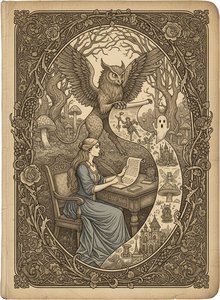
Explore the enchanting world of Victorian illustration. Discover the intricate details, romantic narratives, and historical significance of this golden age of art through our expert-led guide for fine art enthusiasts and collectors.

 Preview
 Send
Send Share
Share
 Details
 Guide
Guide

 Download
 Similars
 X-Ray
X-Ray Diaporama
 Stats
Stats Read More









 Glass option is only available in size under 110 CM


