
x


 LithographWallArtSurrealist Expression
 1956Modern
 37.0 x 27.0 cm
Museum-quality giclée or canvas print with fast production and flexible finish options. ( Buy Hand Made Painting Buy Image)





























Pick from our preset sizes that match the artwork's original proportions.

You may enter your own dimensions to fit a specific frame or space. If your selected size does not match the original image's proportions, we will either crop the artwork or extend the image with a mirrored or solid-fill edge. A digital mockup will be sent for your approval before production begins.
Please note that the on-screen preview does not reflect the actual cropping or extension. Only the mockup will accurately show the final composition.
While custom sizes are available, we recommend selecting a dimension from the predefined list to preserve the original proportions.
Worldwide Delivery () in 2 weeks instead of standard 4/5 weeks. (6 September)


An angel
Reproduction Size
In the vast, dreamlike tapestry of twentieth-century modernism, few threads are as vibrant or as deeply personal as those woven by Marc Chagall. His 1956 lithograph, “An Angel,” serves as a profound meditation on faith, femininity, and the enduring pull of childhood memory. This work transcends mere visual representation; it is an invitation into a private sanctuary where the boundaries between the earthly and the divine become beautifully blurred. At its heart, the piece depicts a woman adorned with a regal crown, an image that instantly evokes the presence of an angelic figure or a celestial goddess. Through his unique lens, Chagall draws upon his rich Jewish heritage and a lifelong fascination with biblical narratives to create a subject that feels both ancient and intimately contemporary.
The technique employed in this masterpiece is a testament to Chagall’s ability to prioritize raw emotion over the rigid constraints of realism. Drawing inspiration from the bold, emotive energy of Fauvism and the distorted realities of Surrealism, the artist utilizes loose, expressive brushstrokes and a luminous color palette. The lithograph captures a sense of movement through a sophisticated layering process—applying thin, translucent washes of color over thicker, textured areas to build a palpable energy on the surface. This approach allows light to seem as though it is emanating from within the paper itself, imbuing the central figure with a spiritual glow that captivates the viewer's eye.
Every element within “An Angel” is steeped in symbolic significance, designed to resonate with the subconscious. The woman’s crown is not merely an ornament but a symbol of divine grace and protection, a recurring motif throughout Chagall’s extensive oeuvre. As her gaze drifts downward, it suggests a moment of deep contemplation or perhaps a quiet, universal sorrow, reflecting the human experience of longing for something transcendent. The surrounding figures, though less prominent, drift through the background like fragments of a half-remembered dream, reinforcing the painting's exploration of memory and the subconscious mind.
This sense of spiritual searching was particularly poignant given the historical context of the work’s creation. Emerging from a period of cultural revival in Vitebsk following years of intense political repression, “An Angel” embodies a spirit of defiance and a reclamation of identity. It is an art form that celebrates the resurgence of Jewish artistic expression, using the language of color and myth to reconnect with traditions that had been threatened by ideological constraints. For the collector or the admirer, the piece offers more than just aesthetic beauty; it provides a window into a period of profound cultural resilience.
For interior designers and art enthusiasts alike, “An Angel” offers an unparalleled emotional impact. The work possesses a rare ability to evoke a dual sense of serenity and melancholy, making it a versatile and deeply moving centerpiece for any curated collection. Its vibrant yet harmonious palette can breathe life into a room, providing a focal point that encourages quiet reflection and conversation. Whether placed in a sunlit gallery or a sophisticated contemporary living space, the lithograph acts as a portal to a more imaginative realm.
Owning a high-quality reproduction of such a significant work allows one to bring a piece of art history into the domestic sphere. It is an opportunity to surround oneself with the "poet of color," ensuring that the whimsical, dreamlike atmosphere of Chagall’s universe continues to inspire and enchant new generations of viewers. In every stroke and every hue, “An Angel” remains a timeless testament to the power of the human spirit to find beauty amidst the complexities of existence.


1887 - 1985 , Belarus
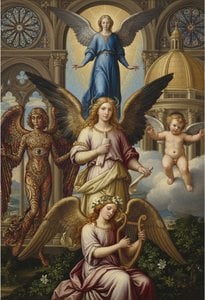
Explore the profound beauty of angelic figures in art history. From Renaissance masterpieces to celestial symbolism, our expert guide offers a sophisticated journey through the divine imagery of the Old Masters for discerning collectors and art enthusiasts.

Explore the profound evolution of Cubist still life, from Cézanne's structural foundations to the fragmented brilliance of Braque and Léger. Discover how geometric abstraction redefined reality through a sophisticated lens of form, color, and modern artistic mastery.

Embark on a scholarly journey through the alchemy of lithography. This definitive guide offers collectors profound insights into the chemical mastery of stone and ink, the medium's historical legacy, and essential expertise for acquiring rare, museum-quality prints with absolute confidence.

Explore the revolutionary world of Cubist portraiture. From Picasso's fragmented forms to Malevich's geometric abstraction, discover how this movement redefined perspective and remains a premier choice for discerning art collectors seeking modernist mastery.
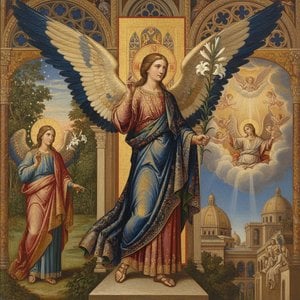
Explore the profound beauty of Angel Gabriel in art history. From Renaissance masterpieces to Baroque splendor, our expert guide delves into the sacred iconography and timeless techniques of these divine messengers for the discerning art enthusiast.


Stay updated with the latest art news, exclusive offers, and decoration ideas.
Tell us about your project and our art experts will provide you with 3 personalized art suggestions.
Let Us Curate 3 Options Just for You - Free!

 Preview
 Send
Send Share
Share
 Details

 Download
 Similars
 X-Ray
X-Ray Diaporama
 Read More







 Glass option is only available in size under 110 CM


