TemperaWallArtEarly Renaissance
 1410Renaissance
 168.0 x 160.0 cm
 Cleveland Museum of Art
Museum-quality giclée or canvas print with fast production and flexible finish options. ( Buy Hand Made Painting Switch to Digital Image)





























Pick from our preset sizes that match the artwork's original proportions.

You may enter your own dimensions to fit a specific frame or space. If your selected size does not match the original image's proportions, we will either crop the artwork or extend the image with a mirrored or solid-fill edge. A digital mockup will be sent for your approval before production begins.
Please note that the on-screen preview does not reflect the actual cropping or extension. Only the mockup will accurately show the final composition.
While custom sizes are available, we recommend selecting a dimension from the predefined list to preserve the original proportions.
Worldwide Delivery () in 2 weeks instead of standard 4/5 weeks. (25 September)


Gradual (Cod. H 74, folio 122v)
Reproduction Size
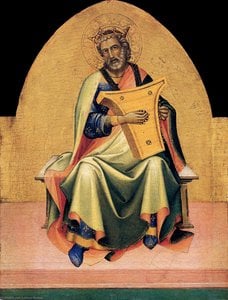
In the quiet, hallowed corridors of Florentine history, few works capture the delicate transition from the medieval soul to the Renaissance mind as poignantly as Lorenzo Monaco's Gradual (Cod. H 74, folio 122v). Created around 1410, this illuminated masterpiece is far more than a mere liturgical manuscript; it is a window into a moment of profound spiritual awakening. Within the ornate confines of an initial 'D', we encounter a prophet—believed by many to be Isaiah—frozen in a state of eternal contemplation. The figure’s downward gaze and solemn expression invite the viewer into a shared space of devotion, bridging the gap between the fifteenth-century monk and the modern observer. It is a work that does not merely depict faith but embodies it through every meticulously placed stroke of pigment and leaf.
The emotional resonance of this piece lies in its ability to command stillness. As one gazes upon the prophet, there is an undeniable weight to his presence, a gravity born from the heavy folds of his vibrant yellow robes and the intense, focused energy of his posture. For the collector or the designer, this artwork offers a unique psychological depth; it brings a sense of meditative peace and intellectual rigor to any space. The interplay between the prophet's stern countenance and the luminous, heavenly light suggested by the gold leaf creates a tension that is both captivating and calming, making it an ideal centerpiece for environments that value introspection and classical elegance.
Technically, the Gradual represents the pinnacle of Lorenzo Monaco’s mastery over the medium of tempera on parchment. A monk of the Camaldolese order, Monaco possessed a rare ability to blend the decorative splendor of the International Gothic style with the emerging narrative clarity of the early Renaissance. His technique is a symphony of textures: the artist employs a sophisticated method of wash shadows paired with densely hatched penwork highlights to breathe life into the prophet's features. This meticulous detailing creates a sculptural quality, where the light seems to dance across the surface of the parchment, caught in the intricate patterns of the turban and the heavy drapery of the cape.
The use of color in this folio is nothing short of transformative. The dominance of radiant yellow, contrasted against deep blue accents and the shimmering brilliance of genuine gold leaf, serves a dual purpose. Symbolically, these hues represent divine revelation and the celestial glory of the Pentecost. Artistically, they provide a structural brilliance that ensures the image remains vibrant even centuries after its creation. For those seeking to incorporate high-quality reproductions into a curated interior, the Gradual offers a rich palette of warm golds and regal blues that can anchor a room, providing a sophisticated touch of historical luxury and timeless artistic merit.
To understand this work is to understand the very heart of Florence in 1410. Produced for the monastery of Santa Maria degli Angeli, the manuscript was part of a larger movement of artistic innovation that sought to honor the divine through unparalleled craftsmanship. Lorenzo Monaco, often called "the monk painter," infused his liturgical duties with an unparalleled aesthetic vision, turning a functional religious text into a profound theological statement. The prophet holding his scroll is not just a character in a story; he is a messenger of the Holy Spirit, reminding us of the enduring power of the written word and the sanctity of the contemplative life.
Owning or displaying a reproduction of this work allows one to participate in this long lineage of beauty and belief. It serves as a reminder that art, at its most potent, is a bridge between the earthly and the divine. Whether placed in a private library, a grand salon, or a contemporary studio, the Gradual brings with it an aura of scholarly prestige and spiritual depth, making it an incomparable choice for those who appreciate the profound intersection of history, technique, and soul.


1370 - 1425 , Italy
Embark on a journey through the dramatic era of Gothic art. Discover the profound beauty of illuminated manuscripts, sacred gold leaf masterpieces, and the transition to naturalism in this expert-led exploration of medieval artistry and historical grandeur.
Explore the exquisite elegance of International Gothic art. Discover the mastery of illuminated manuscripts, the brilliance of gold leaf, and the legacy of the Limbourg Brothers in this expert guide to Europe's sophisticated medieval dawn.

Embark on a journey through time with our deep dive into the exquisite beauty of illuminated manuscripts. Discover the sacred artistry, precious materials, and enduring legacy of medieval illumination in this cultural exploration for history lovers.

Embark on a visual journey through Early Medieval art. Explore the profound beauty of illuminated manuscripts, sacred symbols, and golden light through an expert historical lens, celebrating the enduring legacy of medieval craftsmanship and divine artistry.

 Preview
 Send
Send Share
Share
 Details
 Guide
Guide

 Download
 Similars
 X-Ray
X-Ray Diaporama
 Stats
Stats Read More







 Glass option is only available in size under 110 CM