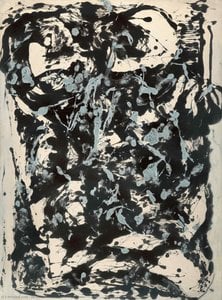
Acrylic On CanvasWallArtModern Korean Art
 25.0 x 37.0 cm
 National Museum of Korea
Purchase a high-resolution, enhanced digital image, far superior to the online preview.
Each file is meticulously prepared by our in-house specialists using advanced tools and expert manual retouching. We ensure every image has exceptional clarity, precise color accuracy, and fine detail.
The final file is delivered via email within 72 hours, optimized for immediate use in professional, editorial, and print environments. This is the same quality trusted by top-tier design studios, publishers, and galleries.
Download a high-resolution file for personal display, printing, and creative projects. ( Switch to Print Buy Hand Made Painting)
When you choose WahooArt.com, you're not just getting an image - you're receiving a professionally enhanced digital artwork, crafted with precision and backed by a satisfaction guarantee. Here's everything that comes with your order, automatically:

Your high-resolution digital image file will be emailed to you within 72 hours of ordering - ready for immediate use.

Your artwork is professionally optimized using advanced AI tools and manual editing, ensuring maximum detail, clarity, and color accuracy.

Accidentally deleted or lost your file? No worries - we'll resend it to you anytime, free of charge.

Enjoy your artwork instantly with zero customs, duties, or delivery fees - digital downloads are always tax-free.

We ensure your digital image reflects the original colors as closely as possible using professional tools and color management.

If you're not satisfied with your digital image, we'll revise it or refund 100% within 100 days - no questions asked.

Not satisfied? Get a full refund within 100 days of receiving your digital file - no questions asked.

Buy 3 images, save 10% - Buy 5, save 15% - Buy 10+, save 20%. Great for creative projects, galleries, and agencies.
Lee Jung-seob's "Fish and Children" isn’t merely a painting; it’s a poignant distillation of Korean life in the mid-20th century, a quiet testament to family, community, and the enduring spirit of resilience. Painted during a turbulent period of Japanese colonial rule and the looming shadow of the Korean War, this work transcends its historical context to offer a universal depiction of human connection – a scene bathed in the soft light of an afternoon gathering around a simple meal.
The composition is deceptively straightforward. Two women, rendered with a gentle realism characteristic of Lee’s style, lie reclining comfortably on a woven mat. Their relaxed postures and averted gazes suggest a comfortable intimacy, while their proximity to three younger figures – boys and a young child – establishes an immediate sense of familial warmth. The setting is deliberately understated; the background fades into a hazy wash of color, drawing all attention to the central figures and their interaction. Lee’s masterful use of light creates a luminous quality, imbuing the scene with a feeling of serenity and contentment despite the underlying anxieties of the era.
Born in 1916 in Pyeongannamdo, Lee Jung-seob’s artistic journey was deeply rooted in Korean tradition yet propelled by a desire to forge a distinctly modern aesthetic. Influenced by the monumental Goguryeo tomb murals he encountered as a child – images of grand processions and vibrant court life – Lee sought to capture the essence of Korean identity through his art. However, he wasn't content with mere imitation; he embraced elements of Western painting techniques, particularly the Fauvist movement’s emphasis on bold color and expressive brushwork, while retaining a distinctly Korean sensibility.
Lee’s artistic training at Bunka Gakuin in Tokyo exposed him to avant-garde ideas, but it was his return to Korea that truly shaped his vision. He deliberately chose subjects close to home – rural life, family relationships, and the everyday experiences of ordinary Koreans – as a way of asserting Korean identity against the backdrop of colonial rule. His work is often characterized by a naive simplicity, a deliberate rejection of academic realism in favor of capturing the emotional truth of a scene.
“Fish and Children” is rich with symbolic meaning. The fish itself represents abundance, nourishment, and connection to nature – fundamental elements of Korean culture. Sharing a meal together signifies community, hospitality, and the importance of family bonds. The women’s relaxed posture suggests a sense of contentment and security, while their gaze towards the children hints at maternal love and protection.
Despite the apparent tranquility of the scene, there's an underlying current of melancholy. The painting was created during a period of immense social and political upheaval in Korea, marked by war, displacement, and colonial oppression. The muted colors and understated composition subtly convey a sense of loss and uncertainty – a poignant reminder of the fragility of life and the enduring strength of the human spirit. It’s this delicate balance between joy and sorrow that elevates “Fish and Children” beyond a simple depiction of a family gathering.
Reproductions of Lee Jung-seob's "Fish and Children" offer a remarkable opportunity to bring this evocative artwork into your home or office. WahooArt’s high-quality reproductions faithfully capture the artist’s masterful use of color, light, and composition, allowing you to experience the painting’s emotional depth and symbolic richness firsthand. Whether you choose a standard size or commission a custom reproduction tailored to your specific needs, you'll be investing in a piece of Korean art history that speaks volumes about family, community, and the enduring beauty of everyday life.
Consider framing the artwork with a simple, natural wood frame to complement its understated elegance. “Fish and Children” is more than just a painting; it’s an invitation to reflect on the values that unite us all – connection, compassion, and the importance of cherishing those closest to our hearts.


1916 - 1956 , South Korea

 Preview
 Send
Send Share
Share
 Details
 Guide
Guide

 Download
 Similars
 X-Ray
X-Ray Diaporama
 Stats
Stats Read More