x


 WatercolorWallArtVienna Secession
 1902Modern
 21.0 x 23.0 cm
Hand-painted oil on canvas in your size and frame, made to order by our artists. ( Buy Print Buy Image)





























Pick from our preset sizes that match the artwork's original proportions.

You may enter your own dimensions to fit a specific frame or space. If your selected size does not match the original image's proportions, we will either crop the artwork or extend the painting with additional hand-painted elements. A digital mockup will be sent for your approval before production begins.
Please note that the on-screen preview does not reflect the actual cropping or extension. Only the mockup will accurately show the final composition.
While custom sizes are available, we recommend selecting a dimension from the predefined list to preserve the original proportions.
Worldwide Delivery () in 3/4 weeks instead of standard 5 weeks. (27 August). No compromise on quality.


November
Reproduction Size
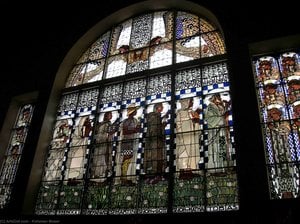
In the quiet, shadowed corners of art history, few works capture the ephemeral tension between presence and absence as poignantly as Koloman Moser’s "November." Created in 1902, this evocative piece serves as a window into the soul of the Vienna Secession movement, offering a glimpse into a world where the boundaries between reality and dream become blurred. The painting presents us with three figures gathered within a darkened interior, their forms emerging from the gloom like memories struggling to remain visible. On the left, a woman with a veiled head stands as a silent sentinel, her shrouded features adding a layer of profound enigma to the composition. Beside her, two other figures stand in close proximity, their silhouettes creating a sense of shared secrets and hushed whispers. The atmosphere is thick with an eerie, almost spectral stillness, inviting the viewer to lean in and decipher the unspoken narrative unfolding in the dark.
The technique employed by Moser in this work is nothing short of masterful, utilizing a delicate watercolor style that lends itself perfectly to the Art Nouveau aesthetic. Through subtle gradations of tone and soft, bleeding edges, he achieves a sense of depth that feels both atmospheric and ethereal. Even when viewed through the lens of a monochromatic photograph, the interplay of light and shadow remains strikingly potent. The lack of vibrant color forces the eye to focus on the structural elegance of the figures and the rhythmic flow of the composition, highlighting Moser’s legendary ability to marry graphic precision with organic, flowing lines. This mastery of form ensures that every brushstroke contributes to the overarching sense of mystery, making the piece feel less like a static image and more like a captured moment of profound psychological weight.
For the discerning collector or interior designer, "November" offers an unparalleled opportunity to introduce a sense of intellectual depth and historical prestige into a curated space. The painting’s ability to evoke emotion—ranging from contemplative melancholy to a thrilling sense of intrigue—makes it a versatile centerpiece for sophisticated environments. Whether placed in a minimalist modern gallery or a classic, richly textured study, the work acts as a conversational anchor, drawing guests into its enigmatic world. Owning a high-quality reproduction of this masterpiece allows one to possess a fragment of the Secessionist spirit, bringing the haunting beauty of early 20th-century Vienna into the contemporary home. It is more than mere decoration; it is an invitation to contemplate the shadows and find beauty in the unknown.


1868 - 1918 , Croatia

Discover the ethereal beauty of watercolor through an art-historical lens. Master the delicate balance of light, fluidity, and pigment to capture the luminous essence of nature, inspired by the legendary techniques of the Old Masters and Impressionist greats.

Discover the ethereal beauty of premium watercolor reproductions and bespoke commissions at WahooArt. From museum-quality landscapes to custom AI-enhanced portraits, our master artists deliver unparalleled craftsmanship and white-glove service for discerning collectors worldwide.

Discover the exquisite world of Art Nouveau. Explore the elegant fusion of nature and design through architectural masterpieces, organic forms, and the legendary masters of the Belle Époque. Immerse yourself in a journey of timeless sophistication and ornamental beauty.

Discover the enchanting world of Art Nouveau. Explore the flowing lines of Alphonse Mucha and learn how to integrate these timeless, organic masterpieces into your collection with expert guidance on fine art appreciation and preservation.


Stay updated with the latest art news, exclusive offers, and decoration ideas.
Tell us about your project and our art experts will provide you with 3 personalized art suggestions.
Let Us Curate 3 Options Just for You - Free!

 Preview
 Send
Send Share
Share
 Details

 Download
 Similars
 X-Ray
X-Ray Diaporama
 Read More







 Glass option is only available in size under 110 CM


![Decorative Fabric [“Bird Bülow”]](/media/artworks/images-thumb/fd/12/fd12986dc9b8c66b01e8a0df45e366d6.jpg)