x


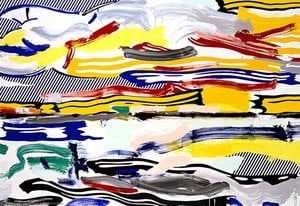
 Abstract Art
 1958Modern
 42.0 x 28.0 cm
 Ewha Womans University Museum
Purchase a high-resolution, enhanced digital image, far superior to the online preview.
Each file is meticulously prepared by our in-house specialists using advanced tools and expert manual retouching. We ensure every image has exceptional clarity, precise color accuracy, and fine detail.
The final file is delivered via email within 72 hours, optimized for immediate use in professional, editorial, and print environments. This is the same quality trusted by top-tier design studios, publishers, and galleries.
Download a high-resolution file for personal display, printing, and creative projects. ( Buy Print Buy Hand Made Painting)
When you choose WahooArt.com, you're not just getting an image - you're receiving a professionally enhanced digital artwork, crafted with precision and backed by a satisfaction guarantee. Here's everything that comes with your order, automatically:

Your high-resolution digital image file will be emailed to you within 72 hours of ordering - ready for immediate use.

Your artwork is professionally optimized using advanced AI tools and manual editing, ensuring maximum detail, clarity, and color accuracy.

Accidentally deleted or lost your file? No worries - we'll resend it to you anytime, free of charge.

Enjoy your artwork instantly with zero customs, duties, or delivery fees - digital downloads are always tax-free.

We ensure your digital image reflects the original colors as closely as possible using professional tools and color management.

If you're not satisfied with your digital image, we'll revise it or refund 100% within 60 days - no questions asked.

Not satisfied? Get a full refund within 60 days of receiving your digital file - no questions asked.

Buy 3 images, save 10% - Buy 5, save 15% - Buy 10+, save 20%. Great for creative projects, galleries, and agencies.

Born Henri Émile Benoît Matisse on December 31, 1869, in Cateau-Béart, Northern France, Matisse’s journey to becoming one of the most influential figures in modern art was marked by a relentless pursuit of beauty, color, and form. His early life, shaped by a modest upbringing and a keen interest in drawing from a young age, laid the foundation for a career that would revolutionize painting and profoundly impact generations of artists. Matisse’s artistic development wasn't immediately defined; he initially studied law at the École Supérieure des Beaux-Arts de Nancy, but quickly abandoned his legal aspirations to pursue his passion for art.
His formative years were spent in Paris, where he immersed himself in the vibrant artistic scene of the late 19th century. He encountered and was influenced by Impressionism and Post-Impressionism, particularly the bold color palettes and expressive brushwork of artists like Paul Gauguin and Vincent van Gogh. This exposure proved pivotal, shaping his own distinctive style – a synthesis of observation and imagination that prioritized emotional impact over strict representation.
Around 1905, Matisse emerged as a leading figure in the Fauvist movement, a short-lived but intensely influential artistic rebellion. The term “Fauves,” meaning “wild beasts” in French, was initially applied derisively to this group of artists by critics who were shocked by their use of jarring, non-naturalistic colors – vibrant reds, yellows, blues, and greens – applied with loose, arbitrary brushstrokes. Matisse’s paintings from this period, such as *Woman with a Hat* (1905) and *The Joy of Life* (1906), exemplify the Fauvist aesthetic: simplified forms, flattened perspectives, and an almost hallucinatory intensity of color designed to evoke emotion rather than depict reality.
However, Matisse quickly moved beyond the strict tenets of Fauvism. He began experimenting with new techniques and approaches, gradually refining his style while retaining the core principles of color and expressive brushwork. He sought a balance between formal structure and emotional intensity, moving towards a more controlled and harmonious use of color.
Following World War I, Matisse’s artistic vision underwent a significant transformation. He developed a distinctive mature style characterized by a remarkable sense of harmony, rhythm, and decorative abstraction. He moved away from the overtly expressive colors of his Fauvist period, employing a more restrained palette – primarily blues, reds, and yellows – to create compositions that were both visually engaging and deeply contemplative. Works like *Blue Nude* (1908) and *The Red Studio* (1911) demonstrate this shift towards a more balanced and sophisticated aesthetic.
During the 1920s, Matisse explored the possibilities of paper cutouts – intricate designs created by removing sections from colored paper. These works, often imbued with a sense of playful spontaneity, showcased his mastery of composition and color while also revealing a new dimension to his artistic practice. He continued to work in painting throughout this period, producing iconic images like *Dance* (1910) and *Music* (1910), which capture the essence of movement and emotion with remarkable grace.
Henri Matisse died on November 3, 1954, leaving behind a vast and influential body of work. His innovative use of color, his exploration of form and composition, and his unwavering commitment to artistic expression have had a profound impact on the development of modern art. He influenced countless artists across various disciplines – painting, sculpture, printmaking, and design – and continues to inspire generations with his vibrant vision and enduring legacy.
Matisse’s work is celebrated in major museums worldwide, including the Musée d'Orsay in Paris, the MoMA in New York, and the Tate Modern in London. His paintings are not merely representations of reality but windows into a world of color, emotion, and beauty – a testament to the power of art to transform our perception and enrich our lives.

1913 - 1974 , South Korea


Stay updated with the latest art news, exclusive offers, and decoration ideas.
Tell us about your project and our art experts will provide you with 3 personalized art suggestions.
Let Us Curate 3 Options Just for You - Free!

 Preview
 Send
Send Share
Share
 Details

 Download
 Similars
 X-Ray
X-Ray Diaporama
 Read More