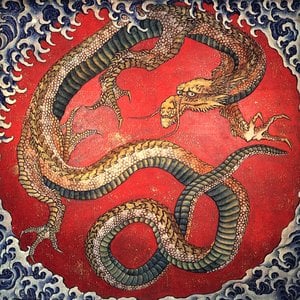
Hand-painted oil on canvas in your size and frame, made to order by our artists. ( Switch to Print Switch to Digital Image)





























Pick from our preset sizes that match the artwork's original proportions.

You may enter your own dimensions to fit a specific frame or space. If your selected size does not match the original image's proportions, we will either crop the artwork or extend the painting with additional hand-painted elements. A digital mockup will be sent for your approval before production begins.
Please note that the on-screen preview does not reflect the actual cropping or extension. Only the mockup will accurately show the final composition.
While custom sizes are available, we recommend selecting a dimension from the predefined list to preserve the original proportions.
Worldwide Delivery () in 3/4 weeks instead of standard 5 weeks. (12 September). No compromise on quality.


Numatsu
Reproduction Size
Katsushika Hokusai (1760-1849), arguably Japan's most celebrated artist of the Edo period, didn’t merely depict landscapes; he wrestled with capturing the essence of existence itself. His masterpiece, *Numatsu*, from the monumental series “Fifty-three Stations of the Tokaido,” transcends a simple visual representation—it embodies a profound meditation on impermanence and beauty amidst turbulent forces.
The print showcases a breathtaking vista of Mount Fuji dominating a serene expanse of water. Three figures – a man carrying an umbrella, two others engaged in conversation – stand upon the shore, dwarfed by the colossal mountain and its surrounding sea spray. This composition isn’t accidental; Hokusai meticulously crafted it to convey a powerful message about humanity's place within the natural world.
Executed in woodblock printing, *Numatsu* exemplifies the pinnacle of ukiyo-e artistry. Skilled artisans painstakingly carved intricate designs onto wooden blocks, applying ink with precision and layering colors to achieve astonishing tonal depth and luminosity. The Prussian blue pigment used for Fuji’s snow crest is particularly remarkable—a groundbreaking innovation at the time that defied conventional artistic practice.
Hokusai's meticulous attention to detail extended beyond mere visual accuracy. He employed atmospheric perspective, subtly blurring distant elements to simulate the effects of haze and distance – a technique borrowed from Western landscape painting but adapted with Japanese sensitivity. The subtle gradations of color and texture contribute significantly to the print’s emotive power.
*Numatsu* is laden with symbolic significance. Mount Fuji, revered as sacred in Shinto beliefs, represents stability and permanence—a counterpoint to the dynamic forces of nature depicted below. The man carrying an umbrella symbolizes resilience and protection against adversity, while the figures conversing represent human connection amidst the grandeur of the landscape.
The crashing waves, rendered with dramatic brushstrokes, embody the ceaseless flow of time and the inevitability of change. Yet, within this turbulent scene lies a palpable sense of tranquility—a suggestion that beauty can endure even in the face of upheaval. Hokusai’s intention was to inspire contemplation on the transient nature of life and the importance of appreciating fleeting moments.
“Fifty-three Stations of the Tokaido” documented a pilgrimage route from Edo (Tokyo) to Kyoto—a journey undertaken by merchants and samurai alike. Hokusai’s prints captured not only the physical landscape but also the psychological experience of travelers confronting challenges and embracing new vistas.
*Numatsu*, in particular, has captivated audiences across cultures for over 150 years. Its influence can be seen in Impressionist painters like Claude Monet and Vincent van Gogh who sought to emulate Hokusai’s masterful use of color and perspective. Today, reproductions of *Numatsu* adorn homes and galleries worldwide—a testament to its enduring beauty and timeless relevance.


1760 - 1849 , Japan

Explore the profound beauty of Japanese landscape painting. From Hokusai's iconic vistas to Zen-inspired compositions, discover the spiritual depth and historical mastery of Ukiyo-e art in this expert cultural retrospective.

Explore the ephemeral beauty of Japanese Ukiyo-e art. From the dynamic warriors of Kuniyoshi to serene landscapes, discover the profound history, masterful techniques, and global influence of these iconic woodblock prints in our deep cultural retrospective.

 Preview
 Send
Send Share
Share
 Details

 Download
 Similars
 X-Ray
X-Ray Diaporama
 Stats
Stats
 Read More







 Glass option is only available in size under 110 CM