Museum-quality giclée or canvas print with fast production and flexible finish options. ( Buy Hand Made Painting Switch to Digital Image)





























Pick from our preset sizes that match the artwork's original proportions.

You may enter your own dimensions to fit a specific frame or space. If your selected size does not match the original image's proportions, we will either crop the artwork or extend the image with a mirrored or solid-fill edge. A digital mockup will be sent for your approval before production begins.
Please note that the on-screen preview does not reflect the actual cropping or extension. Only the mockup will accurately show the final composition.
While custom sizes are available, we recommend selecting a dimension from the predefined list to preserve the original proportions.
Worldwide Delivery () in 2 weeks instead of standard 4/5 weeks. (16 September)


Manga
Reproduction Size
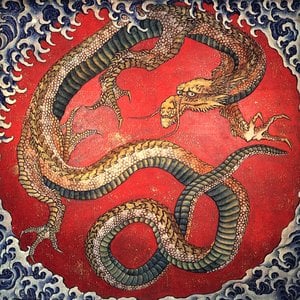
Katsushika Hokusai’s *Manga*, published between 1814 and 1878, transcends mere visual representation; it embodies the spirit of Edo-period Japan—a realm grappling with tradition and burgeoning modernity. This monumental collection of woodblock prints isn't simply a depiction of mountainous scenery; it’s an exploration of Buddhist cosmology and artistic innovation that continues to captivate audiences today.
Mount Fuji dominates the panorama of *Manga*, representing not just a physical landmark but also spiritual significance—a sacred mountain revered as a symbol of stability and immortality within Buddhist beliefs. The artist’s deliberate framing emphasizes this grandeur, inviting contemplation on themes of permanence amidst change.
Furthermore, dragons – prominent figures throughout the series – hold profound symbolic weight in Japanese culture. They embody power, wisdom, and benevolent protection—often depicted battling demons to safeguard humanity. Hokusai skillfully integrates these creatures into the landscape, suggesting a harmonious balance between earthly beauty and divine influence.
*Manga* emerged during Japan’s Edo period (1603-1868), a time of unprecedented economic prosperity and artistic flourishing under Tokugawa rule. However, this era was also marked by strict social hierarchies and censorship—a paradoxical environment that fostered both conservative traditions and daring experimentation.
Hokusai's willingness to embrace new pigments like Prussian blue – a serendipitous discovery during his travels – exemplifies this spirit of innovation. It signaled a departure from conventional artistic practices and established Hokusai as a pioneer whose work profoundly impacted subsequent generations of artists, influencing movements such as Impressionism in Europe.
Despite the turbulent political landscape of its time, *Manga* exudes an aura of serene beauty. The carefully crafted compositions and subtle tonal gradations evoke a feeling of contemplative stillness—encouraging viewers to immerse themselves in the grandeur of nature and contemplate its enduring power.
Ultimately, Hokusai’s *Manga* remains a testament to the transformative potential of art—a captivating glimpse into Edo Japan that continues to inspire awe and wonder centuries later. Its meticulous detail and masterful execution serve as an enduring reminder of the brilliance of one of history's greatest artistic visionaries.


1760 - 1849 , Japan

Explore the profound beauty of Japanese landscape painting. From Hokusai's iconic vistas to Zen-inspired compositions, discover the spiritual depth and historical mastery of Ukiyo-e art in this expert cultural retrospective.

 Preview
 Send
Send Share
Share
 Details

 Download
 Similars
 X-Ray
X-Ray Diaporama
 Stats
Stats
 Read More







 Glass option is only available in size under 110 CM