

 Preview

 Send
 Share
 Details
 Fact sheet


 Download
 Similars
 X-Ray
 Diaporama
 Q&A

 Stats
Picking Fruits - (Karoly Patko) Hand-painted oil painting reproduction


Hand-painted in oil from $199 at 30 x 33 cm
Also available as Fine Art Print from $49
- Free Worldwide Express Shipping
- Delivered in 4 to 5 weeks
- 100-day returns, money back
- Rated 4.9/5 by 241 customers on ArtShopReviews.com
 Full description of Picking Fruits -
Hand Made Oil Reproduction
Hand-painted oil on canvas in your size and frame, made to order by our artists. ( Fine Art Print Hand-Painted Oil Digital Image
)
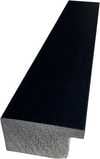
P118B $10
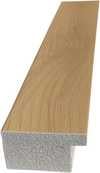
P118H $10
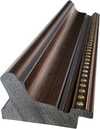
P118W $10
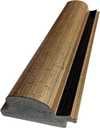
P438Z $10
P508JH $12
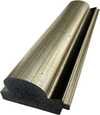
P508YH $12
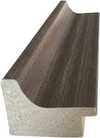
P805H $10
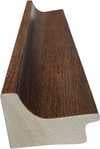
P805Z $10
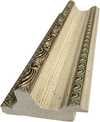
P919BZ $10
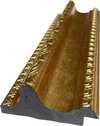
P919G $10
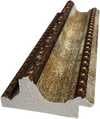
P919XJ $10
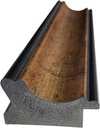
P959ZH $10
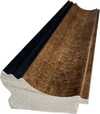
P968JZ $12
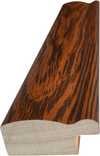
W106C $8
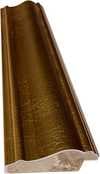
W218G $10
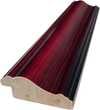
W218JH $8
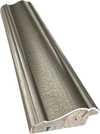
W218Y $10
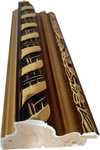
W307PJ $10
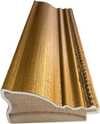
W316G $10
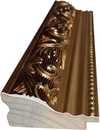
W316PJ $8
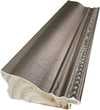
W316Y $10
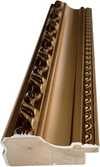
W398PJ $8
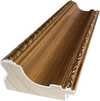
W4111J $10
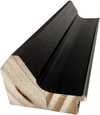
W500HY $15
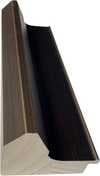
W500JH $15
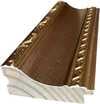
W692G $12
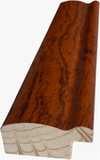
W849H $8
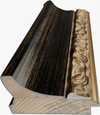
W940BG $15
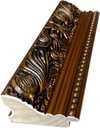
W953PJ $8

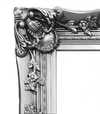
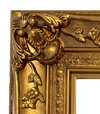
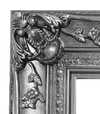
Pick from our preset sizes that match the artwork's original proportions.

Type the width and the height you need, to fit your frame or your wall. This is hand-painted, so for a size with a different shape the artist can paint a bit more around the picture, or cut a bit — you choose. We send you a digital mockup to approve before the painting starts. The picture shown on this page does not show the real result — only the mockup does.
After order, WahooArt.com team will email client for instructions and provide a mockup preview
Worldwide Delivery () in 3/4 weeks instead of standard 4/5 weeks. (27 December). No compromise on quality.

Free Worldwide Express Shipping

High-Quality Linen Canvas

Full Shipping Insurance

Customs Tax Refund Guarantee

True Color Matching Guarantee

100-day returns, money back

100% Money-Back Guarantee

Bulk Discount Offer
 Glass option is only available in size under 110 CM

Picking Fruits -
Reproduction Medium
Reproduction Size


