PreviewPreview AR previewAR preview Buy Hand Made Painting Buy Hand Made PaintingSwitch to Digital Image Switch to Digital Image SendSend
DetailsDetails Add to favorites Add to favorites DownloadDownload SimilarsSimilars X-RayX-Ray DiaporamaDiaporama StatsStats

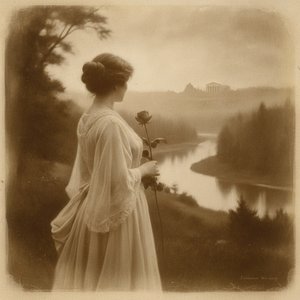
Robe de style

Karl Otto Lagerfeld, also called Kaiser Karl, (German: [kaʁl ˈʔɔtoː ˈlaːɡɐˌfɛlt] ; 10 September 1933 – 19 February 2019) was a German-French fashion designer, photographer, and creative director. Lagerfeld began his career in fashion in the 1950s, working for several top fashion houses including Balmain, Patou, and Chloé before joining Chanel in 1983. As the creative director of Chanel from 1983 u

Explore the world of Karl Lagerfeld (1933-2019), Chanel's iconic creative director! Discover his revolutionary designs, stunning photography & lasting impact on fashion.

Giclée / Art Print

Museum-quality giclée or canvas print with fast production and flexible finish options. (Buy Hand Made Painting Buy Hand Made PaintingSwitch to Digital Image Switch to Digital Image)

P118B $10
P118H $10
P118W $10
P438Z $10
P508JH $12
P508YH $12
P805H $10
P805Z $10
P919BZ $10
P919G $10
P919XJ $10
P959ZH $10
P968JZ $12
W106C $8
W218G $10
W218JH $8
W218Y $10
W307PJ $10
W316G $10
W316PJ $8
W316Y $10
W398PJ $8
W4111J $10
W500HY $15
W500JH $15
W692G $12
W849H $8
W940BG $15
W953PJ $8

Standard
custom
CM
INCH

Pick from our preset sizes that match the artwork's original proportions.

width
height

You may enter your own dimensions to fit a specific frame or space. If your selected size does not match the original image's proportions, we will either crop the artwork or extend the image with a mirrored or solid-fill edge. A digital mockup will be sent for your approval before production begins.
Please note that the on-screen preview does not reflect the actual cropping or extension. Only the mockup will accurately show the final composition.
While custom sizes are available, we recommend selecting a dimension from the predefined list to preserve the original proportions.

Worldwide Delivery () in 2 weeks instead of standard 4/5 weeks. (13 September)

why_choose_icon
Free Worldwide Express Shipping
why_choose_icon
High-Quality Linen Canvas
why_choose_icon
Full Shipping Insurance
why_choose_icon
Customs Tax Refund Guarantee
why_choose_icon
True Color Matching Guarantee
why_choose_icon
100-Day Return Policy (Defects Only)
why_choose_icon
100% Money-Back Guarantee
why_choose_icon
Bulk Discount Offer

Total Price

$ 69

reproduction

Robe de style

Giclée / Art Print

Reproduction Size

-

Total Price

$ 69

Quick Facts

  • Movement: Fashion Editorial
  • Artist: Karl Lagerfeld
  • Notable elements or techniques: Dramatic lighting; Layered fabric textures
  • Medium: Photography
  • Year: 1986
  • Influences: Early 20th Century Photography
  • Subject or theme: Fashion Photography

Art Quiz

There is only one correct answer for each question.

Question 1:
What is the predominant artistic style of Karl Lagerfeld’s ‘Robe de Style’?
Question 2:
The photograph utilizes what type of lighting technique to emphasize the dress’s folds and create dramatic contrasts?
Question 3:
What historical period does ‘Robe de Style’ primarily evoke due to its stylistic influences?
Question 4:
The photograph employs a shallow depth of field, which contributes to what visual effect?
Question 5:
What material is primarily used to construct the dress depicted in ‘Robe de Style’?

A Vision in Monochrome: Exploring Karl Lagerfeld’s “Robe de Style”

The photograph captures a moment frozen in time – 1986 – presenting us with an arresting image of a woman draped in an opulent gown by Karl Otto Lagerfeld. More than just a portrait, it's a carefully constructed tableau designed to evoke both grandeur and subtle mystery. The starkness of black and white amplifies the drama inherent in the composition, guiding the viewer’s eye towards the central figure and emphasizing the textures and nuances of the garment itself. Lagerfeld’s masterful use of lighting – directional and dramatic – sculpts the fabric, highlighting folds and creating shadows that deepen the sense of theatricality.

Composition and Form: Circular Elegance

The photograph's composition centers on the woman seated gracefully, subtly angled towards the camera. This positioning immediately establishes a connection between subject and observer, inviting contemplation. However, it’s the dress—a dominant presence in the frame—that truly commands attention. Lagerfeld employed a circular arrangement, mirroring the skirt’s voluminous shape, which draws the eye inwards and creates an illusion of movement despite the static image. The careful framing ensures that every detail contributes to the overall impact, reinforcing the impression of refined sophistication.

Technique and Materiality: Craftsmanship Understated

Lagerfeld's technique speaks volumes about his artistic vision. He skillfully utilized photographic printing methods—likely film—to achieve a tonal range that captures the subtleties of texture and light. The photograph’s surface reveals hints of graininess, characteristic of the era, adding to its visual richness. Examining the dress itself unveils layers of material – silk, tulle, and lace – meticulously crafted into an ensemble embodying timeless elegance. The photographer's attention to detail—capturing the smooth fabric, delicate lace, and subtle skin tones—elevates the image beyond mere representation; it strives for an immersive experience that transports the viewer back to 1986.

Historical Context: Lanvin’s Legacy

“Robe de style,” as Lagerfeld himself recognized, represents a pivotal moment in fashion history. Inspired by Jeanne Lanvin's groundbreaking designs of the 1920s, this gown exemplifies the liberation from restrictive corsets and the embrace of flowing silhouettes that defined the Jazz Age aesthetic. The robe de style wasn’t merely about comfort; it was a declaration of artistic freedom—a rejection of convention in favor of expressive form. Lagerfeld's photograph serves as a testament to Lanvin’s enduring influence and underscores the importance of stylistic innovation in shaping cultural trends.

Symbolism: Veiled Mystery, Luxurious Expression

The woman’s veiled face adds an element of intrigue to the composition, symbolizing concealment and hinting at unspoken narratives. Simultaneously, the gown embodies luxury and grandeur—visual representations of aristocratic attire prevalent during Lagerfeld's time. The photograph’s muted palette reinforces this mood, fostering a sense of quiet drama and sophistication. Ultimately, Lagerfeld’s “Robe de Style” transcends its subject matter; it encapsulates an aesthetic ideal rooted in elegance, restraint, and the transformative power of artistic vision—a legacy that continues to inspire designers and collectors alike.

Artist Biography

The Enduring Vision of Karl Lagerfeld

Karl Otto Lagerfeld, a name synonymous with reinvention and enduring style, was more than just a fashion designer; he was a cultural phenomenon. Born in Hamburg, Germany, in 1933, his life story is one of relentless creativity and an unwavering dedication to the art of design. From his early beginnings sketching designs as a young boy, captivated by the world of haute couture, it became clear that Lagerfeld possessed a unique artistic sensibility. His family’s move to Paris in the wake of rising political tensions proved pivotal, immersing him in the heart of the fashion world and setting the stage for an extraordinary career. He wasn't merely observing trends; he was destined to *create* them. The removal of the “t” from his surname – Lagerfeldt becoming Lagerfeld – was an early indication of his desire to shape his own narrative, to craft a brand as precise and impactful as his designs.

A Master of Many Houses

Lagerfeld’s ascent in the fashion industry wasn't confined to a single house; it was a masterful orchestration across several iconic brands. His early work with Pierre Balmain provided invaluable experience, honing his technical skills and understanding of garment construction. He then moved through Jean Patou and Chloé, each position allowing him to refine his aesthetic and develop a signature style – one characterized by sharp tailoring, innovative silhouettes, and an audacious spirit. However, it was his long-standing collaboration with Fendi, beginning in 1965 and lasting over five decades, that demonstrated his remarkable versatility. He revolutionized the perception of fur, transforming it from a traditional material into a symbol of modern luxury through inventive techniques and playful designs. But it was 1983 when Lagerfeld truly cemented his legacy, accepting the role of creative director at Chanel. The house, steeped in history but perceived by some as fading into irrelevance, needed revitalization. Lagerfeld didn’t attempt to replicate Coco Chanel; he *reinterpreted* her vision for a new era, injecting energy and modernity while respecting the core principles of elegance and sophistication.

Deconstructing and Rebuilding Elegance

Lagerfeld's genius lay in his ability to deconstruct established codes and rebuild them into something entirely fresh. At Chanel, he understood that true innovation wasn’t about abandoning tradition but rather reimagining it. He reintroduced the iconic tweed suit, but updated its proportions and styling for contemporary women. He embraced bold colors and unexpected materials, challenging conventional notions of what Chanel could be. His designs weren't simply clothes; they were statements – declarations of independence, confidence, and a refusal to conform. Beyond clothing, Lagerfeld extended his creative vision into photography, capturing the essence of his collections through striking imagery that often featured himself behind the lens. These photographs weren’t merely promotional tools; they were artistic expressions in their own right, solidifying his reputation as a visual storyteller. He understood the power of image and used it to build a cohesive brand identity that resonated with audiences worldwide.

The Kaiser's Lasting Influence

Karl Lagerfeld’s impact on the fashion industry is immeasurable. His relentless work ethic, his unwavering commitment to innovation, and his distinctive personal style – the dark sunglasses, the fingerless gloves, the high-collared shirts – made him an instantly recognizable figure, earning him the moniker “Kaiser Karl.” He wasn't just designing clothes; he was crafting a persona, a myth. His influence extends far beyond the runway, inspiring countless designers and shaping contemporary aesthetics.
  • Museum Collections: His designs are now preserved in prestigious institutions like The Museum Collection Hugo Fischer and the Gemäldegalerie Alte Meister, recognizing his contribution to art and culture.
  • A Legacy of Collaboration: Lagerfeld’s willingness to collaborate with artists from diverse fields further broadened his creative horizons and demonstrated his open-minded approach to design.
  • Redefining Luxury: He challenged traditional notions of luxury, making it more accessible while maintaining a sense of exclusivity and sophistication.
Even after his passing in 2019, Karl Lagerfeld’s vision continues to resonate. His designs remain timeless, his aesthetic principles continue to inspire, and his legacy as one of the most influential figures in fashion history is firmly secured. He proved that true style isn't about following trends; it's about creating them – a lesson that will undoubtedly endure for generations to come.
Karl Otto Lagerfeld

Karl Otto Lagerfeld

1933 - 2019 , Germany

Quick Facts

  • Artistic Movement Or Style: Haute Couture, Modernism
  • Artists Or Movements Influenced By This Artist: Contemporary Fashion
  • Date Of Birth: September 10, 1933
  • Date Of Death: February 19, 2019
  • Full Name: Karl Otto Lagerfeld
  • Nationality: German
  • Notable Artworks:
    • Chanel by Karl Lagerfeld
    • Chloé Spring/Summer 1984
  • Place Of Birth: Hamburg, Germany
Explore artworks organized by themes, styles, and characteristics.