Museum-quality giclée or canvas print with fast production and flexible finish options. ( Buy Hand Made Painting Switch to Digital Image)





























Pick from our preset sizes that match the artwork's original proportions.

Type the width and the height you need, to fit your frame or your wall. A print can only be cut, never made bigger than the picture, so a size with a different shape loses a part of the image. We send you a digital mockup to approve before we print anything. The picture shown on this page does not show the real cut — only the mockup does.
Worldwide Delivery () in 2 weeks instead of standard 4/5 weeks. (23 October)
St. Philip
Reproduction Size
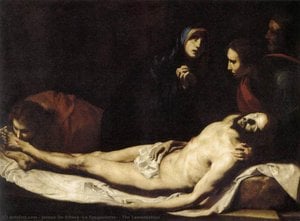
In the profound stillness of Jusepe de Ribera’s 1632 masterpiece, St. Philip, viewers are invited into a space where spiritual fortitude meets palpable human sorrow. This arresting depiction portrays the saint not as an idealized icon, but as a figure of raw, earthly devotion. As a Dominican monk, St. Philip stands as a testament to unwavering faith, yet Ribera refuses to mask the weight of his existence. The figure dominates the composition with a heavy, commanding presence, embodying a characteristic motif found throughout Ribera's oeuvre: the intersection of divine grace and mortal struggle. To gaze upon this portrait is to witness a soul caught in the quiet tension between the agony of the flesh and the peace of the spirit.
The technical brilliance of the work lies in Ribera’s mastery of tenebrismo, a dramatic form of chiaroscuro that defines the Spanish Baroque era. By skillfully manipulating extreme contrasts between light and shadow, the artist creates an unsettling juxtaposition that heightens the emotional stakes of the scene. The light does not merely illuminate; it carves the saint's features out of an encroaching darkness, emphasizing the rugged textures of his weathered skin and the coarse fabric of his monastic robes. This meticulous attention to detail—the way light catches the folds of a sleeve or the subtle lines of a furrowed brow—underscores the importance of materiality in conveying spiritual truth. Ribera eschews the polished perfection of the Renaissance, opting instead for a brutally honest portrayal of human anatomy that feels startlingly immediate even centuries later.
Painted during a period of intense religious fervor in 17th-century Naples, St. Philip reflects the complex cultural landscape of a city under Spanish rule. This was an era where artists were tasked with wrestling with themes of piety, mortality, and the profound complexities of the human experience. The dark, atmospheric sky that serves as the backdrop is far more than a mere void; it acts as a canvas for contemplation, mirroring the saint's internal spiritual battles and hinting at the looming shadow of divine judgment. Every element within the frame is laden with symbolic resonance, designed to pull the viewer into a state of meditative reflection.
For the discerning collector or interior designer, this piece offers more than just aesthetic beauty; it provides a profound emotional anchor for any space. The painting’s ability to transcend mere representation makes it a captivating centerpiece, capable of sparking conversation and evoking deep introspection. Whether placed in a quiet study or a grand gallery, the work's visceral response—born from Ribera's unflinching gaze at human vulnerability—commands respect and admiration. It is a piece that lingers in the mind long after the first encounter, offering a timeless window into the heart of Baroque intensity.
The dramatic atmosphere of "St. Philip" by Jusepe de Ribera matches its recommended space: a living room.
The Guide page of "St. Philip" by Jusepe de Ribera offers a printable two-sheet factsheet: the artwork with its identity table, a decade band placing it in the artist's lifetime, other works by the artist, the measured color palette, and ready-to-copy citations in four styles.
"St. Philip" by Jusepe de Ribera is dated 1632 and belongs to Baroque Dramatic Intensity.


1591 - 1652 , Spain

Explore the profound drama of Spanish Baroque art. Delve into the mastery of light, shadow, and realism through the legendary works of Diego Velázquez and the Spanish Golden Age.

 Preview
 Send
Send Share
Share
 Details
 Guide
Guide

 Download
 Similars
 X-Ray
X-Ray Diaporama
 Stats
Stats


 Read More









 Glass option is only available in size under 110 CM