x


Purchase a high-resolution, enhanced digital image, far superior to the online preview.
Each file is meticulously prepared by our in-house specialists using advanced tools and expert manual retouching. We ensure every image has exceptional clarity, precise color accuracy, and fine detail.
The final file is delivered via email within 72 hours, optimized for immediate use in professional, editorial, and print environments. This is the same quality trusted by top-tier design studios, publishers, and galleries.
Download a high-resolution file for personal display, printing, and creative projects. ( Buy Print Buy Hand Made Painting)
When you choose WahooArt.com, you're not just getting an image - you're receiving a professionally enhanced digital artwork, crafted with precision and backed by a satisfaction guarantee. Here's everything that comes with your order, automatically:

Your high-resolution digital image file will be emailed to you within 72 hours of ordering - ready for immediate use.

Your artwork is professionally optimized using advanced AI tools and manual editing, ensuring maximum detail, clarity, and color accuracy.

Accidentally deleted or lost your file? No worries - we'll resend it to you anytime, free of charge.

Enjoy your artwork instantly with zero customs, duties, or delivery fees - digital downloads are always tax-free.

We ensure your digital image reflects the original colors as closely as possible using professional tools and color management.

If you're not satisfied with your digital image, we'll revise it or refund 100% within 60 days - no questions asked.

Not satisfied? Get a full refund within 60 days of receiving your digital file - no questions asked.

Buy 3 images, save 10% - Buy 5, save 15% - Buy 10+, save 20%. Great for creative projects, galleries, and agencies.

Born in Madrid in 1931, Juan Romero’s artistic journey began amidst the vibrant cultural landscape of post-war Spain. His early life, steeped in the traditions of Seville – a city renowned for its passionate art and deeply rooted folklore – profoundly shaped his aesthetic sensibilities. Unlike many artists who sought to break radically from tradition, Romero embraced and reinterpreted established forms, weaving together elements of popular imagery, religious symbolism, and surrealist influences into a uniquely personal style. His work isn’t simply about depicting scenes; it's about evoking a feeling, a memory, or a dream – a potent blend of the familiar and the unsettling.
Romero’s artistic education was largely self-directed, fueled by an intense curiosity and a deep appreciation for the visual arts. He spent years studying the works of Spanish masters like Velázquez and Goya, absorbing their techniques and understanding of color and composition. However, he quickly moved beyond mere imitation, developing his own distinctive approach characterized by bold colors, layered textures, and often dreamlike imagery. His early pieces frequently featured scenes from everyday life in Seville – market stalls overflowing with produce, flamenco dancers lost in passionate movement, and the weathered faces of its inhabitants – rendered with a remarkable attention to detail and an underlying sense of melancholy.
While often categorized as an abstract expressionist, Romero’s work resists easy categorization. He wasn't interested in purely emotional or spontaneous expression; instead, he meticulously constructed his compositions, building up layers of paint and fabric to create a complex visual narrative. His use of textile elements – incorporating scraps of cloth, embroidery, and lace – added another layer of texture and symbolism to his paintings, referencing the rich traditions of Andalusian craftsmanship and folk art. This deliberate layering creates an almost sculptural quality within the canvas, inviting viewers to explore its depths and uncover hidden meanings.
The influence of Surrealism is undeniable in Romero’s work, particularly in his use of unexpected juxtapositions and dreamlike imagery. He frequently depicted fantastical creatures and landscapes, blurring the boundaries between reality and imagination. However, unlike many surrealist artists who sought to expose the subconscious mind, Romero's surrealism felt more rooted in memory and folklore – a reflection of the oral traditions and superstitions that still held sway in Seville at the time.
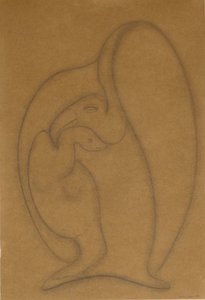
Romero’s oeuvre is remarkably diverse, encompassing a wide range of subjects and styles. Works like “Untitled (302)” exemplify his early period, characterized by vibrant colors and detailed depictions of everyday life. Later in his career, he began to experiment with more abstract forms, incorporating elements of collage and assemblage into his paintings. "Untitled (970)" demonstrates this shift, utilizing layered fabrics and bold lines to create a complex and visually arresting composition. The piece “Untitled (231)” showcases his fascination with architectural forms and decorative patterns, reminiscent of Art Nouveau.
Throughout his career, Romero’s work explored themes of memory, identity, and the relationship between tradition and modernity. He was deeply concerned with preserving the cultural heritage of Andalusia, and his art served as a powerful reminder of the region's rich history and traditions. His later works often featured references to local folklore and mythology, reflecting his desire to connect with the past.
Juan Romero’s work remains relatively unknown outside of Spain, yet it holds significant value as a testament to the vibrant artistic scene that flourished in Andalusia during the mid-20th century. He was part of a generation of artists who challenged traditional notions of art and explored new forms of expression. His unique blend of abstraction, surrealism, and folk art has left an indelible mark on Spanish painting.
Despite his relatively short career – he died in 1996 – Romero’s influence can be seen in the work of many contemporary artists who continue to draw inspiration from Andalusian traditions. His paintings are now recognized as important examples of abstract expressionism and a valuable contribution to Spanish art history. His legacy lies not only in his individual works but also in his ability to capture the spirit and soul of Seville, transforming it into a timeless tapestry of color, texture, and emotion.

1931 - 1802 , Spain


Stay updated with the latest art news, exclusive offers, and decoration ideas.
Tell us about your project and our art experts will provide you with 3 personalized art suggestions.
Let Us Curate 3 Options Just for You - Free!

 Preview
 Send
Send Share
Share
 Details

 Download
 Similars
 X-Ray
X-Ray Diaporama
 Read More