Museum-quality giclée or canvas print with fast production and flexible finish options. ( Buy Hand Made Painting Switch to Digital Image)





























Pick from our preset sizes that match the artwork's original proportions.

Type the width and the height you need, to fit your frame or your wall. A print can only be cut, never made bigger than the picture, so a size with a different shape loses a part of the image. We send you a digital mockup to approve before we print anything. The picture shown on this page does not show the real cut — only the mockup does.
Worldwide Delivery () in 2 weeks instead of standard 4/5 weeks. (22 October)
Cypresses Tree Trunk
Reproduction Size
In the delicate interplay of light and shadow captured within Cypresses Tree Trunk, we encounter a moment of profound tranquility that seems to suspend time itself. Painted in 1927, this evocative work transports the viewer to a pastoral landscape where a stone church stands as a silent sentinel against a luminous, amber-hued sky. The composition is anchored by the architectural presence of the church, its blue roof providing a cool, rhythmic contrast to the warmth of the atmosphere. As the eye wanders through the scene, it discovers the subtle movement of a lone bird drifting above the verdant canopy, a small but vital detail that breathes life into the stillness. This painting is not merely a depiction of a landscape; it is an invitation to experience a meditative state, making it an exquisite centerpiece for any collection seeking to evoke peace and contemplation.
The artistry of Joseph Stella shines through in the masterful application of color and form. While Stella is often celebrated for his dynamic, industrial depictions of the Brooklyn Bridge and the frenetic energy of Futurism, this particular piece reveals a more lyrical, contemplative side of his genius. The technique employs a soft, almost dreamlike quality where the textures of the stone walls and the organic silhouettes of the trees blend into a cohesive, atmospheric whole. The use of a golden, sun-drenched palette suggests the fleeting beauty of a late afternoon, creating a sense of nostalgia and warmth that resonates deeply with the soul. For the discerning collector or interior designer, this work offers a sophisticated balance of structural stability and ethereal lightness.
Beyond its aesthetic allure, the painting carries a weight of historical and symbolic significance. Created during a period when modernism was reshaping the boundaries of art, Stella manages to bridge the gap between traditional landscape sensibilities and a more modern, emotive approach to light. The cypress trees, often symbols of mourning or eternity in classical art, here appear integrated into a peaceful cycle of nature, standing alongside the enduring stone of the church. This creates a powerful narrative of permanence amidst change. For those looking to adorn a space with art that inspires emotional depth, this reproduction serves as a window into a world of quiet majesty, offering a timeless elegance that complements both contemporary and classic interior decors.
small size, square orientation: that is the print setup suggested for "Cypresses Tree Trunk" by Joseph Stella.
"Cypresses Tree Trunk" by Joseph Stella is placed in the Futurism movement, within the Modern era of its creator.
The colors in "Cypresses Tree Trunk" by Joseph Stella have a vivid intensity.


1877 - 1946 , Italy

Explore the rich symbolism & emotional power of yellow in art history! From Van Gogh to Kandinsky, discover how artists used this vibrant hue. Expert analysis & high-quality reproductions at WahooArt.

Immerse yourself in the captivating world of slate blue! Explore 10 iconic paintings by Monet, Van Gogh & Renoir. Discover their stories, techniques & find museum-quality art reproductions for your home at .
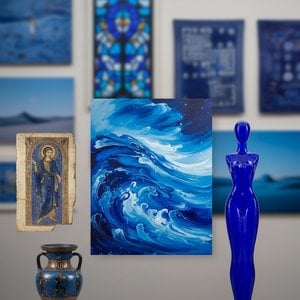
Explore the rich history of blue in art! Discover its symbolism, from ancient pigments to modern masterpieces by Kandinsky & Seurat. Uncover the psychological impact and cultural meanings behind this captivating hue.

Immerse yourself in golden light! Explore 10 famous paintings dominated by 'Chrome Yellow', from Van Gogh’s Sunflowers to Monet's Haystacks. Discover the stories behind these iconic Impressionist & Post-Impressionist masterpieces and find museum-quality art reproductions at WahooArt.com.
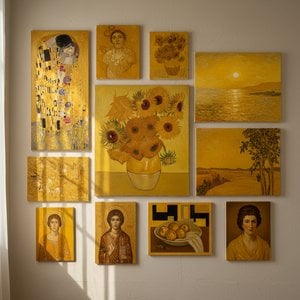
Explore 10 iconic paintings bathed in golden yellow ochre! From Van Gogh's sunflowers to Monet’s haystacks, discover the stories behind these masterpieces. Find museum-quality art reproductions & elevate your home decor on .

 Preview
 Send
Send Share
Share
 Details
 Guide
Guide

 Download
 Similars
 X-Ray
X-Ray Diaporama
 Stats
Stats


 Read More









 Glass option is only available in size under 110 CM