Oil On CanvasWallArtPre-Raphaelite Romanticism
 190219th Century
 116.0 x 79.0 cm
Hand-painted oil on canvas in your size and frame, made to order by our artists. ( Switch to Print Switch to Digital Image)





























Pick from our preset sizes that match the artwork's original proportions.

You may enter your own dimensions to fit a specific frame or space. If your selected size does not match the original image's proportions, we will either crop the artwork or extend the painting with additional hand-painted elements. A digital mockup will be sent for your approval before production begins.
Please note that the on-screen preview does not reflect the actual cropping or extension. Only the mockup will accurately show the final composition.
While custom sizes are available, we recommend selecting a dimension from the predefined list to preserve the original proportions.
Worldwide Delivery () in 3/4 weeks instead of standard 5 weeks. (27 September). No compromise on quality.


Windflowers
Reproduction Size
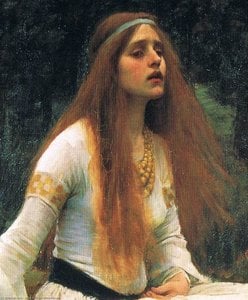
John William Waterhouse's *Windflowers*, painted in 1902, is more than just a depiction of a woman amidst nature; it’s an immersion into the heart of Pre-Raphaelite romanticism. This oil on canvas, measuring 116 x 79 cm, captures a fleeting moment of exquisite beauty – a woman seemingly lost in contemplation as the wind dances through her flowing white dress and tousled hair. The painting immediately draws the viewer into its tranquil atmosphere, a testament to Waterhouse’s masterful command of color and detail, hallmarks of his distinctive style.
As a quintessential example of the Pre-Raphaelite movement, *Windflowers* reflects the group's fascination with medieval legends, mythology, and the beauty of nature. Rejecting the artificiality of academic art, the Pre-Raphaelites sought to revive the artistic styles of the early Renaissance – particularly those of artists who predated Raphael (hence “Pre-Raphaelite”). Waterhouse’s work is characterized by an almost obsessive attention to detail, meticulously rendered textures and a profound respect for classical motifs. The painting's subject matter—a woman immersed in nature—was a common theme within the Pre-Raphaelite movement, representing a yearning for spiritual connection and an appreciation of the sublime.
Waterhouse’s technical skill is immediately apparent in the incredibly detailed rendering of the woman's dress – each fold and ripple meticulously captured to convey the effect of the wind. The artist’s brushwork is smooth and blended, creating a sense of luminous softness that contributes significantly to the painting’s ethereal quality. The use of glazing techniques—applying thin layers of translucent paint over dried underlayers—allows Waterhouse to build up depth and richness in his colors, further enhancing the visual impact of the work. The two birds, subtly integrated into the scene, add a touch of dynamism and reinforce the theme of movement and freedom.
*Windflowers* is not merely a beautiful image; it’s imbued with symbolic meaning. The wind itself represents change, transformation, and the fleeting nature of beauty. The woman's pose suggests contemplation and an appreciation for the present moment. Waterhouse’s work has had a lasting impact on art history, influencing generations of artists with its romantic vision and technical virtuosity. As a masterpiece of Romanticism, *Windflowers* continues to resonate with viewers today, offering a glimpse into a world of beauty, serenity, and timeless grace. This painting is currently housed at the Plymouth City Museum and Art Gallery.


1849 - 1917 , Italy

Delve into the breathtaking Pre-Raphaelite Revolution. Explore the vivid colors, intricate details, and romantic symbolism of masters like Rossetti and Millais in this authoritative journey through 19th-century art history for true enthusiasts.

Explore the profound emotional power of Romantic landscape art. Discover how masters like Friedrich captured the sublime through breathtaking nature, and learn to curate these evocative masterpieces for your luxury interior collection.

 Preview
 Send
Send Share
Share
 Details
 Guide
Guide

 Download
 Similars
 X-Ray
X-Ray Diaporama
 Stats
Stats Read More







 Glass option is only available in size under 110 CM