

 Oil On CanvasWallArtAesthetic Movement
 191119th Century
 124.0 x 92.0 cm
 Metropolitan Museum of Art
Hand-painted oil on canvas in your size and frame, made to order by our artists. ( Switch to Print Switch to Digital Image)





























Pick from our preset sizes that match the artwork's original proportions.

Type the width and the height you need, to fit your frame or your wall. This is hand-painted, so for a size with a different shape the artist can paint a bit more around the picture, or cut a bit — you choose. We send you a digital mockup to approve before the painting starts. The picture shown on this page does not show the real result — only the mockup does.
Worldwide Delivery () in 3/4 weeks instead of standard 5 weeks. (23 October). No compromise on quality.
The Ring
Reproduction Size
In the quietude of 1911, John White Alexander captured a scene that transcends mere portraiture, inviting the viewer into a realm of soft light and whispered narratives. The Ring is not simply a depiction of a woman by a window; it is an evocative window into the Aesthetic Movement’s devotion to beauty and refined grace. The composition centers on a woman of poised elegance, her presence anchored by the gentle weight of a parasol that suggests a delicate dance between the indoor sanctuary and the world outside. As she sits near a lush potted plant, the interplay of natural light filtering through the window creates a luminous atmosphere, casting a soft glow upon her features and the fine textures of her attire.
The painting breathes with a sense of quiet contemplation, where every element—from the tilt of her hat to the subtle presence of figures in the periphery—contributes to a larger tapestry of social grace and personal introspection. The inclusion of other figures, partially veiled by the composition's depth, adds a layer of mystery, suggesting a shared moment within a larger, unseen story. For the discerning collector or interior designer, this piece offers more than just visual appeal; it provides a focal point of sophisticated tranquility that can anchor a room with its timeless, classical charm.
Technically, The Ring showcases Alexander’s profound ability to manipulate light and color to evoke emotion. His brushwork, characteristic of the late 19th and early 20th-century American tradition, is masterful in its ability to render the delicate translucency of fabric and the organic softness of foliage. The artist employs a palette that feels both warm and ethereal, utilizing subtle tonal shifts to create a sense of three-dimensional depth within the frame. This mastery of light serves to highlight the subject's serene expression, making the viewer feel as though they have stumbled upon a private, sacred moment of stillness.
The symbolism embedded within the work speaks to the fleeting nature of beauty and the importance of finding peace amidst the movement of life. The parasol, often a symbol of protection and social status, acts here as a bridge between the sheltered interior and the unpredictable elements of the outdoors. When considering this artwork for a curated space, one must appreciate how its soft textures and muted tones harmonize with luxurious decors, offering an infusion of historical prestige and emotional depth. It is a piece that does not shout for attention but rather commands it through a quiet, irresistible magnetism.
For those seeking to adorn their homes or galleries with works that inspire wonder, The Ring stands as a testament to the enduring power of the Aesthetic ideal. It is an acquisition for the soul as much as for the eye, providing a sense of continuity with the great traditions of American art history. Whether placed in a sun-drenched morning room or a sophisticated study, this reproduction brings with it the legacy of John White Alexander—a painter who could transform a simple moment into an eternal masterpiece of light and grace.
The format of "The Ring" is portrait, and the original measures 124 x 92 cm. Both are useful when planning a reproduction.
"The Ring" was created in 1911 using the oil on canvas technique. Material and date describe how and when the original was made.
Statistics about "The Ring" by John White Alexander are on the artwork's Stats page: monthly visits of the artwork, visits of the artist's works, and country and language breakdowns of recent visitors.

John White Alexander (1856-1915) emerges from the late 19th and early 20th centuries as a significant, yet often overlooked, figure in American art. His work, deeply rooted in the Aesthetic Movement and characterized by an exquisite sensitivity to light, color, and form, offers a captivating glimpse into a world of refined beauty and quiet contemplation. Born in Allegheny County, Pennsylvania – now part of Pittsburgh – Alexander’s early life was marked by personal tragedy, shaping his artistic sensibility with a poignant awareness of loss and the fleeting nature of experience. His upbringing, fostered by his grandparents after being orphaned at a young age, instilled within him a deep appreciation for art and learning, ultimately leading to an education steeped in European artistic traditions.
Alexander’s formal training began in New York City, where he apprenticed under Edwin Austin Abbey at Harper's Weekly. This early exposure to illustration honed his technical skills and introduced him to the vibrant world of contemporary visual culture. However, it was a pivotal journey to Europe – specifically Munich, Florence, and Paris – that truly shaped his artistic vision. He studied with Frank Duveneck in Munich, absorbing the Impressionistic techniques and embracing a looser, more expressive approach to painting. The influence of Whistler’s emphasis on color and atmosphere proved particularly formative, guiding him toward a nuanced understanding of light and its transformative power.
Alexander’s work is inextricably linked to the broader context of the Aesthetic Movement, a late 19th-century artistic and intellectual current that prioritized beauty, emotion, and individual expression above all else. Rejecting the didacticism and moralizing tendencies of earlier art movements, aesthetes sought to create works that were purely beautiful, regardless of their representational accuracy or social significance. Alexander’s paintings perfectly embody this ethos – they are not merely depictions of reality but rather carefully constructed expressions of feeling and atmosphere.
His portraits, in particular, are notable for their psychological depth and subtle emotional resonance. He eschewed the formal poses and stiff gazes often associated with traditional portraiture, instead capturing his subjects in moments of quiet introspection or private contemplation. Consider “Miss Dorothy Quincy Roosevelt (later Mrs. Langdon Geer),” a stunning example of his ability to convey elegance and grace through delicate brushwork and a masterful use of light. The painting’s luminous quality and the subject's serene expression evoke a sense of timeless beauty, solidifying Alexander’s reputation as a painter of exquisite detail.
A defining characteristic of Alexander’s work is his extraordinary sensitivity to light and atmosphere. He meticulously observed how light transformed surfaces, creating subtle shifts in color and tone that conveyed a sense of depth and realism. “Still Life with Flagon and Roses,” for instance, showcases this talent brilliantly. The loose brushwork and the careful rendering of reflected light on the flagon and the velvety petals of the roses create an intimate and evocative scene—a testament to his ability to capture the ephemeral beauty of everyday objects.
His landscapes are equally compelling, often depicting quiet scenes of rural life or glimpses of the natural world bathed in soft, diffused light. These paintings are not merely representations of scenery but rather expressions of a profound connection with nature – a sense of wonder and reverence for the beauty that surrounds us. “Young Woman Arranging Her Hair” exemplifies this approach, presenting a serene portrait of a young woman engaged in a simple, yet deeply personal act.
Despite his considerable talent and critical acclaim, John White Alexander’s work remained relatively obscure for many years. However, in recent decades, there has been a growing appreciation for his unique artistic vision and technical skill. His paintings are now recognized as important contributions to the American art landscape of the late 19th and early 20th centuries – a testament to his ability to capture the delicate beauty of the world around him.
Alexander’s legacy extends beyond his individual works; he also played a significant role in the development of the National Academy of Design, serving as its president from 1909 until his death. His dedication to art education and his commitment to fostering artistic excellence ensured that his influence would continue to resonate within the American art community for generations to come. His work continues to be exhibited and studied today, offering a poignant reminder of the enduring power of beauty and the importance of capturing fleeting moments of grace.

1856 - 1915 , United States of America

Discover the breathtaking elegance of Rococo portraiture. Explore an expert guide to 18th-century mastery, from pastel palettes to aristocratic grandeur, and learn how to bring this era of opulence into your home through museum-quality oil reproductions.
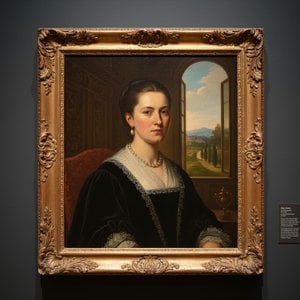
Explore the profound legacy of classical portraiture. From the dramatic chiaroscuro of the Old Masters to exquisite hand-painted oil reproductions, discover how timeless elegance and masterful technique continue to inspire collectors and art enthusiasts worldwide.

Discover the breathtaking elegance of John Singer Sargent's masterpieces. From iconic Gilded Age portraits to impressionistic landscapes, explore the technical brilliance and timeless allure of this American master through our premium, hand-painted fine art reproductions.

 Preview
 Send
Send Share
Share
 Details
 Guide
Guide

 Download
 Similars
 X-Ray
X-Ray Diaporama
 Stats
Stats Read More









 Glass option is only available in size under 110 CM


