

 Oil On CanvasWallArtImpressionism
 1906
1906 75.0 x 62.0 cm
Museum-quality giclée or canvas print with fast production and flexible finish options. ( Buy Hand Made Painting Switch to Digital Image)





























Pick from our preset sizes that match the artwork's original proportions.

You may enter your own dimensions to fit a specific frame or space. If your selected size does not match the original image's proportions, we will either crop the artwork or extend the image with a mirrored or solid-fill edge. A digital mockup will be sent for your approval before production begins.
Please note that the on-screen preview does not reflect the actual cropping or extension. Only the mockup will accurately show the final composition.
While custom sizes are available, we recommend selecting a dimension from the predefined list to preserve the original proportions.
Worldwide Delivery () in 2 weeks instead of standard 4/5 weeks. (10 September)


Hugh Lane
Reproduction Size
The canvas holds not merely pigment but echoes of an era – Impressionism’s fervent embrace of fleeting moments and sensory impressions. Born from the desire to capture the ephemeral beauty of a sunrise or the dappled light filtering through leaves, this artistic movement sought to transcend mere representation, striving instead for an emotional resonance that lingered in the viewer's mind.
Claude Monet, arguably the movement’s most influential figure, relentlessly pursued his vision of capturing light’s transformative effects on color and form. Rejecting academic conventions favoring meticulous detail, he championed loose brushstrokes and a vibrant palette—primarily blues, greens, and yellows—to convey the immediacy of experience.
Monet's technique involved applying paint in small, broken strokes rather than blending them smoothly. This “broken color” method allowed individual pigments to retain their vibrancy while simultaneously merging with neighboring hues, creating an illusion of shimmering luminescence—a hallmark of Impressionist painting.
Impressionism emerged in the wake of the Industrial Revolution, marking a significant departure from the dominant artistic styles of the Victorian era. Artists like Monet and Renoir sought inspiration not in grand historical narratives but in the everyday realities of Parisian life—the bustling boulevards, the tranquil gardens, and the vibrant atmosphere of cafes.
While Impressionists aimed for accuracy in depicting visual sensations, they prioritized conveying emotion above all else. The shimmering surfaces of Monet’s landscapes are imbued with a sense of serenity and wonder—a testament to his ability to translate subjective experience into tangible artistic form.
Monet's paintings continue to captivate audiences today, transporting viewers back to the Impressionist era and eliciting feelings of nostalgia and contemplation. They serve as a reminder that beauty can be found not only in grand vistas but also in the subtle nuances of ordinary moments—a timeless message conveyed with unparalleled artistry.


1856 - 1925 , Italy

Discover the breathtaking elegance of John Singer Sargent's masterpieces. From iconic Gilded Age portraits to impressionistic landscapes, explore the technical brilliance and timeless allure of this American master through our premium, hand-painted fine art reproductions.

Explore the profound artistry of black and white photography. From historical mastery to the interplay of light and shadow, discover how monochrome captures timeless emotion and form through a sophisticated lens of art history.
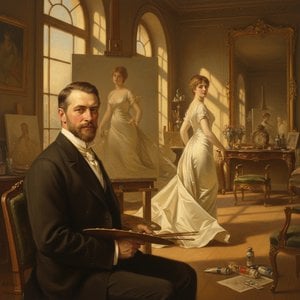
Discover the luminous mastery of John Singer Sargent. Explore an expert analysis of his legendary light, Gilded Age elegance, and technical brilliance, perfect for fine art enthusiasts seeking to bring timeless classical beauty into their modern collections.

Elevate your most cherished memories with WahooArt’s bespoke service. We transform your personal photos into breathtaking, hand-painted black & white oil masterpieces. Experience museum-quality craftsmanship and timeless elegance for your private collection. Discover the art of legacy.

 Preview
 Send
Send Share
Share
 Details

 Download
 Similars
 X-Ray
X-Ray Diaporama
 Stats
Stats Read More







 Glass option is only available in size under 110 CM


