

 Oil On CanvasWallArtImpressionism
 1902
1902 76.0 x 76.0 cm
Museum-quality giclée or canvas print with fast production and flexible finish options. ( Buy Hand Made Painting Switch to Digital Image)





























Pick from our preset sizes that match the artwork's original proportions.

You may enter your own dimensions to fit a specific frame or space. If your selected size does not match the original image's proportions, we will either crop the artwork or extend the image with a mirrored or solid-fill edge. A digital mockup will be sent for your approval before production begins.
Please note that the on-screen preview does not reflect the actual cropping or extension. Only the mockup will accurately show the final composition.
While custom sizes are available, we recommend selecting a dimension from the predefined list to preserve the original proportions.
Worldwide Delivery () in 2 weeks instead of standard 4/5 weeks. (13 September)


Balcony in Winter
Reproduction Size
“Balcony in Winter,” painted by John Henry Twachtman in 1902, stands as a quintessential example of Impressionism and Tonalist landscape painting—a genre that sought to capture the subtle nuances of light and atmosphere rather than striving for photographic realism. This oil on canvas artwork, measuring 76 x 76 cm, resides in private collection and offers viewers an intimate glimpse into Twachtman’s artistic vision during a pivotal moment in American art history.
The painting's central focus is a balcony adorned with potted plants—a deliberate choice by Twachtman to convey both visual interest and a sense of domestic tranquility. Against a muted winter backdrop, dominated by shades of gray and brown, the artist employs soft brushstrokes and delicate color palettes to create an ethereal quality. Two trees – one positioned on the left side of the balcony and another receding into the distance – contribute depth and perspective, guiding the eye across the canvas.
Twachtman’s masterful technique exemplifies the core tenets of Impressionism. He eschewed meticulous detail in favor of capturing fleeting moments of light—particularly how it illuminates the surfaces of the plants and casts shadows across the balcony floor. The artist skillfully blends colors directly onto the canvas, layering them to achieve a luminous effect that surpasses traditional painting methods. This approach prioritizes sensory experience over precise representation.
Painted in 1902, “Balcony in Winter” reflects the broader artistic landscape of its time—a period marked by experimentation with color and form following the Impressionist movement’s initial breakthroughs. Twachtman drew inspiration from European Impressionists like Claude Monet and Camille Pissarro, who championed similar techniques for portraying landscapes and capturing atmospheric conditions. The painting embodies a desire to convey emotion and mood as much as it does visual beauty.
Beyond its aesthetic qualities, “Balcony in Winter” carries symbolic resonance. The winter scene itself represents dormancy and introspection—a pause from the vibrancy of summer—yet also hints at resilience and renewal. The potted plants symbolize life persisting amidst adversity, mirroring themes prevalent in Romantic art preceding Impressionism. Ultimately, the painting invites contemplation on beauty, solitude, and the transformative power of nature.
To learn more about John Henry Twachtman’s artistic legacy, visit /art/list/?Filter=8XYC8F-John-Henry-Twachtman-Winter-Scene and /art/list/?Filter=8YE99D-John-Henry-Twachtman-Winter. Discover the beauty of Impressionism and other art movements on https://WahooArt.com.


1853 - 1902 , United States of America

Journey through 10 Romantic landscape masterpieces by Friedrich, Turner & Cole. Explore emotional art, sublime nature scenes & iconic 19th-century paintings. Find museum-quality reproductions for your home at WahooArt.com – discover the full collection online!
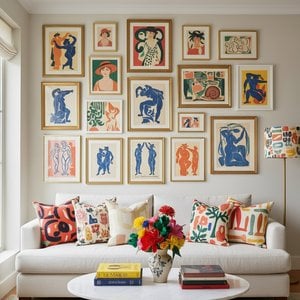
Journey through Henri Matisse's 25 most iconic paintings! Explore Fauvism, vibrant colors & the stories behind masterpieces like 'The Dance'. Find museum-quality art reproductions and curated decor ideas to elevate your space. Discover all masterpieces on WahooArt.com.
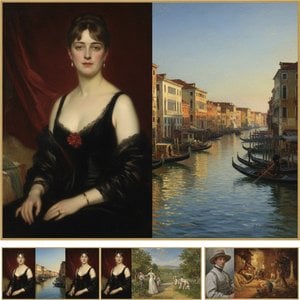
Explore 25 iconic John Singer Sargent paintings – from dazzling portraits to Impressionist landscapes. Discover the stories behind Madame X, El Jaleo & more! Find museum-quality art reproductions and elevate your home decor with WahooArt.com.

Journey through John Constable's 25 most celebrated landscapes. Explore Romanticism, Dedham Vale & his masterful use of light in iconic paintings like 'Hay Wain'. Find museum-quality art reproductions and elevate your home decor on WahooArt.com.

Explore the captivating landscapes of John Henry Twachtman, a pivotal American Impressionist & Tonalist painter. Discover his artistic evolution, key works, and lasting influence on early 20th-century art.

 Preview
 Send
Send Share
Share
 Details

 Download
 Similars
 X-Ray
X-Ray Diaporama
 Stats
Stats Read More







 Glass option is only available in size under 110 CM


