John Hazlitt: A Miniature Master of English Society
John Hazlitt (1767–1837) stands as a quietly significant figure in 19th-century British art, primarily recognized for his exquisite miniature portraits. Born in Marshfield, Gloucestershire, to a Unitarian minister and Grace Loftus Hazlitt, he was the elder brother of the renowned essayist and critic William Hazlitt – a connection that subtly shaped both their artistic trajectories. While William’s fame rested on the written word, John’s legacy lies within the delicate brushstrokes and intimate portrayals captured in his small-scale works. His life unfolded against the backdrop of burgeoning social change, reflecting the evolving dynamics of English society through the eyes of a keen observer and skilled artist.
Hazlitt's early years were marked by family moves – to Maidstone in Kent and then to Bandon in County Cork, Ireland – before settling in Shropshire where his father established a home. It was in London that he truly began to hone his craft, seeking instruction from the esteemed Sir Joshua Reynolds, a master of portraiture whose influence is undeniably present in Hazlitt’s early style. This apprenticeship provided him with foundational techniques and an understanding of classical composition, which he skillfully adapted to capture the personalities of his subjects. His initial exhibitions at the Royal Academy, beginning in 1788, showcased a burgeoning talent, establishing him as a miniature portraitist within the established art world.
A Life Shaped by Family and Radical Circles
The connection between John Hazlitt and William Hazlitt is particularly noteworthy. While William’s intellectual pursuits centered on literature and criticism, John's artistic practice provided a tangible outlet for observation and engagement with the social landscape of his time. William often lived with his brother during his early years in London, and it was through this proximity that he first encountered figures who would profoundly influence his own literary development – radicals like John Thelwall and Thomas Holcroft, intellectuals such as Joseph Priestley, and prominent reformers like Edward Jenner. This exposure to dissenting voices and progressive ideas undoubtedly informed John’s artistic choices, subtly imbuing his portraits with a nuanced understanding of the social currents swirling around him. His own political leanings were decidedly radical, aligning him with the intellectual circles that challenged established norms.
The Art of Miniature: Technique and Subject Matter
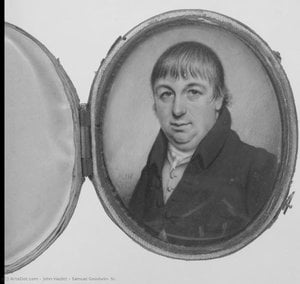
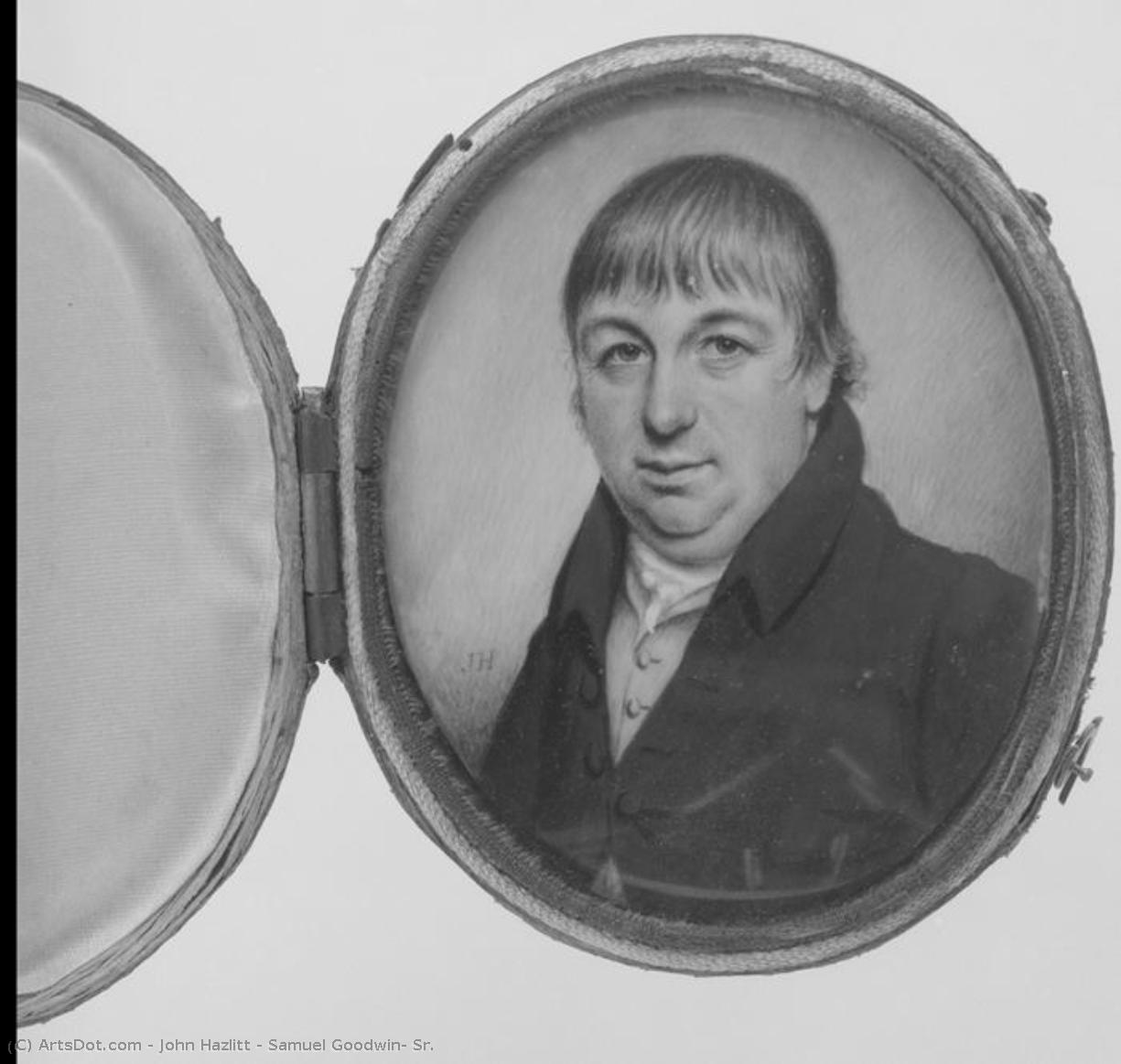
Hazlitt’s mastery lay in the miniature format itself – a demanding medium requiring exceptional skill and patience. He meticulously rendered fabrics, textures, and expressions, utilizing delicate watercolor techniques layered over ivory or other smooth surfaces. His portraits weren't merely likenesses; they were carefully constructed narratives of character and social standing. He frequently depicted prominent figures from English society, including Thomas Clarkson – a leading abolitionist whose portrait exemplifies Hazlitt’s ability to capture solemnity and detail – as well as literary luminaries like Samuel Taylor Coleridge and Mary Lamb. These subjects weren't simply rendered; they were presented within carefully chosen settings that spoke volumes about their status and affiliations. His portraits of women, particularly his wife Mary Peirce, are notable for their intimate portrayal of personality and grace.
Notable Works and Legacy
Among Hazlitt’s most celebrated works is the 1805 portrait of Thomas Clarkson, a striking example of classical realism that captures the subject's moral conviction. The meticulous detail with which he depicts Clarkson’s features and attire speaks to his dedication to capturing not just appearance but also character. Other significant portraits include those of Mary Peirce, showcasing his skill in rendering delicate fabrics and subtle expressions, and various depictions of literary figures who frequented London’s intellectual circles. His work was exhibited regularly until 1819, demonstrating a consistent commitment to his craft throughout his career. Despite not achieving the widespread recognition of some of his contemporaries, John Hazlitt's miniature portraits offer a valuable window into the social and cultural landscape of early 19th-century England, revealing the nuances of English society through the intimate lens of portraiture. His legacy is further cemented by his familial connection to William Hazlitt, ensuring that both brothers’ artistic endeavors continue to be appreciated for their unique contributions to British art history.
Further Resources



 Preview
 Switch to hand made Painting
 Send
Send Share
Share
 Details

 Download
 Similars
 X-Ray
X-Ray Diaporama
 Read More






































 Glass option is only available in size under 110 CM