
x


Hand-painted oil on canvas in your size and frame, made to order by our artists. ( Buy Print Buy Image)





























Pick from our preset sizes that match the artwork's original proportions.

You may enter your own dimensions to fit a specific frame or space. If your selected size does not match the original image's proportions, we will either crop the artwork or extend the painting with additional hand-painted elements. A digital mockup will be sent for your approval before production begins.
Please note that the on-screen preview does not reflect the actual cropping or extension. Only the mockup will accurately show the final composition.
While custom sizes are available, we recommend selecting a dimension from the predefined list to preserve the original proportions.
Worldwide Delivery () in 3/4 weeks instead of standard 5 weeks. (29 August). No compromise on quality.


Tuckered OUt
Reproduction Size
John George Brown’s “Tuckered Out” (circa 1888) isn't merely a painting; it’s a distilled moment of quiet observation, a tenderly rendered study in Victorian childhood. The scene unfolds within a modestly furnished room – a blend of bedroom and living space – dominated by the figure of a young boy seated on a chair, his head resting heavily upon his hand. This posture, instantly recognizable and deeply affecting, speaks volumes about fatigue, perhaps even melancholy, yet it’s imbued with an undeniable charm.
Brown masterfully captures the essence of this youthful weariness through his meticulous technique. The brushstrokes are deliberate and controlled, creating a sense of solidity in the boy's form while simultaneously suggesting the softness of his skin and the weight of his exhaustion. Notice how he utilizes subtle gradations of light and shadow to define the boy’s face – the slight furrow of his brow, the closed eyelids hinting at slumber, and the delicate curve of his hand supporting his head. The muted palette—primarily browns, grays, and creams—further enhances the painting's somber yet comforting mood, evoking a sense of domestic tranquility tinged with quiet sadness.
To fully appreciate “Tuckered Out,” it’s crucial to understand the social context in which it was created. The late 19th century witnessed significant shifts within British society, particularly regarding childhood and family life. While industrialization brought prosperity to some, many families struggled with poverty and hardship. Children often worked long hours in factories or as street urchins, facing challenging conditions that profoundly impacted their well-being. Brown’s painting offers a rare glimpse into this reality, portraying not the idealized image of childhood often presented in art, but rather its more vulnerable and less romanticized aspects.
The scattered suitcases in the background are particularly telling. They suggest a journey – perhaps a temporary move or a return home after a period of travel. This detail adds another layer of complexity to the scene, hinting at the transient nature of Victorian life and the frequent dislocations experienced by families due to economic pressures. The boy’s attire—simple suspenders—underscores his youth and vulnerability, reinforcing the painting's poignant message.
Beyond its realistic depiction of a tired child, “Tuckered Out” is rich in symbolic meaning. The pose itself – head resting on hand – is a universal gesture of exhaustion and surrender, evoking empathy and compassion within the viewer. It’s a posture that speaks to the burdens carried by young shoulders, reminding us of the challenges faced by those less fortunate. The painting's quiet stillness invites contemplation, prompting viewers to reflect on themes of childhood innocence, poverty, and the complexities of human experience.
Furthermore, Brown’s choice of subject matter—a seemingly ordinary boy—elevates him to a position of universal significance. He represents all children who have known hardship or faced adversity, embodying the resilience and quiet dignity of those who persevere despite challenging circumstances. “Tuckered Out” is not simply a portrait; it's a meditation on the human condition, a testament to the enduring power of empathy, and a beautiful reminder of the fleeting nature of childhood.
Reproductions of "Tuckered Out" continue to resonate with audiences today, offering a poignant connection to the past. Its quiet beauty and emotional depth make it an ideal addition to any collection, serving as both a decorative piece and a thought-provoking work of art. Consider framing this evocative image in a warm wood or neutral tone to best complement its subdued palette, allowing its subtle nuances to shine through.


1831 - 1913 , United Kingdom
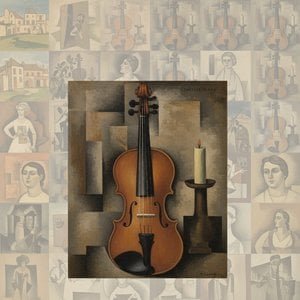
Explore 25 iconic Georges Braque paintings that revolutionized Cubism & modern art. Discover the stories behind his masterpieces, from Fauvism to Analytical Cubism. Find museum-quality reproductions & elevate your home decor with WahooArt.com.
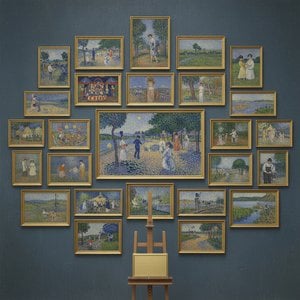
Explore 25 iconic Georges Seurat paintings & discover the brilliance of Pointillism. From 'La Grande Jatte' to his harbor scenes, delve into art history with WahooArt.com. Find museum-quality reproductions for your home decor. Explore the full collection online!

Explore the captivating genre paintings of John George Brown, celebrated for his realistic depictions of 19th-century American life. Discover his legacy & find museum-quality reproductions at WahooArt.
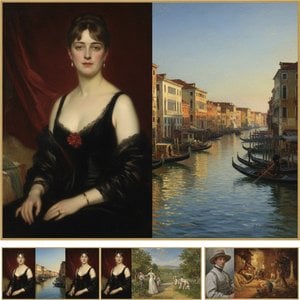
Explore 25 iconic John Singer Sargent paintings – from dazzling portraits to Impressionist landscapes. Discover the stories behind Madame X, El Jaleo & more! Find museum-quality art reproductions and elevate your home decor with WahooArt.com.

Journey through John Constable's 25 most celebrated landscapes. Explore Romanticism, Dedham Vale & his masterful use of light in iconic paintings like 'Hay Wain'. Find museum-quality art reproductions and elevate your home decor on WahooArt.com.


Stay updated with the latest art news, exclusive offers, and decoration ideas.
Tell us about your project and our art experts will provide you with 3 personalized art suggestions.
Let Us Curate 3 Options Just for You - Free!

 Preview
 Send
Send Share
Share
 Details

 Download
 Similars
 X-Ray
X-Ray Diaporama


 Read More







 Glass option is only available in size under 110 CM


