x


Museum-quality giclée or canvas print with fast production and flexible finish options. ( Buy Hand Made Painting Buy Image)





























Pick from our preset sizes that match the artwork's original proportions.

You may enter your own dimensions to fit a specific frame or space. If your selected size does not match the original image's proportions, we will either crop the artwork or extend the image with a mirrored or solid-fill edge. A digital mockup will be sent for your approval before production begins.
Please note that the on-screen preview does not reflect the actual cropping or extension. Only the mockup will accurately show the final composition.
While custom sizes are available, we recommend selecting a dimension from the predefined list to preserve the original proportions.
Worldwide Delivery () in 2 weeks instead of standard 4/5 weeks. (5 September)


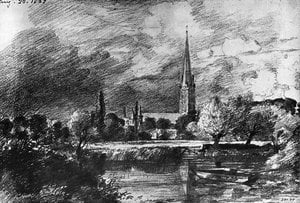
Harwich The Low Lighthouse and Beacon Hill
Reproduction Size
In the gentle sweep of John Constable’s 1820 masterpiece, Harwich: The Low Lighthouse and Beacon Hill, we are invited to witness more than a mere coastal landscape; we are granted entry into a profound meditation on the English spirit. As one gazes upon this evocative scene, the eye is immediately drawn to the iconic Low Lighthouse, perched with stoic grace atop Beacon Hill. This weathered stone sentinel stands as a silent guardian over Harwich Bay, overlooking an expansive Essex coastline that seems to breathe with the rhythm of the tides. The painting captures a moment of exquisite tranquility, where the sea meets the sky in a seamless dance of atmosphere and light. Small vessels dot the shimmering waters, their presence adding a sense of human scale and quiet industry to the vastness, while a solitary figure wanders along the shore, embodying the peaceful communion between man and the natural world.
Constable’s technical mastery is nothing short of revolutionary, particularly in his pursuit of luminism. Rather than seeking an idealized or static perfection, he sought to capture the fleeting, ephemeral qualities of the atmosphere—the way a sudden cloud might cast a shadow or how the morning mist softens the horizon. Through the painstaking application of thin, translucent glazes over carefully prepared underpaintings, Constable achieved a luminous depth that allows light to appear as if it is emanating from within the canvas itself. This technique creates a shimmering effect on the water and a palpable sense of moisture in the air, making the coastal breeze almost tangible to the viewer. For the discerning collector or interior designer, this ability to manipulate light offers a dynamic quality that can transform the mood of any room, bringing a sense of airy, natural vitality to a sophisticated space.
To understand this work is to understand the heart of the Romantic movement. Painted during a period of significant transition in Britain, the piece reflects a burgeoning fascination with the sublime—the concept of finding spiritual renewal and awe within the wild, untamed beauty of nature. While the Neoclassical artists of his era often sought rigid harmony and order, Constable embraced the organic complexity of the landscape. The lighthouse serves as a powerful symbol in this context; it is a beacon of human perseverance amidst the overwhelming and ever-changing forces of the sea and sky. There is a poignant tension here between the permanence of the stone structure and the transient nature of the clouds and waves, a theme that resonates deeply with anyone who finds beauty in the ephemeral moments of life.
For those looking to adorn a home or gallery with a high-quality reproduction, this painting offers an unparalleled emotional depth. It is not merely a decorative element but a window into a vanished era of pastoral serenity. The soft palette of blues, greys, and earthy tones provides a calming influence, making it an ideal centerpiece for spaces designed for contemplation and repose. Whether placed in a sun-drenched morning room or a moody, library-style study, Constable’s Harwich lighthouse brings with it a legacy of profound connection to the land, inviting every viewer to pause, breathe, and reconnect with the enduring beauty of the natural world.


1776 - 1837 , United Kingdom

Explore the profound legacy of John Constable. Discover how his mastery of light, atmosphere, and the English landscape redefined Romanticism through timeless, museum-quality oil reproductions for discerning collectors.

Explore the profound emotional power of Romantic landscape art. Discover how masters like Friedrich captured the sublime through breathtaking nature, and learn to curate these evocative masterpieces for your luxury interior collection.


Stay updated with the latest art news, exclusive offers, and decoration ideas.
Tell us about your project and our art experts will provide you with 3 personalized art suggestions.
Let Us Curate 3 Options Just for You - Free!

 Preview
 Send
Send Share
Share
 Details

 Download
 Similars
 X-Ray
X-Ray Diaporama


 Read More







 Glass option is only available in size under 110 CM