Acrylic On CanvasWallArtRomantic Landscape Painting
 1820
1820 32.0 x 50.0 cm
 Birmingham Museums And Art Gallery
Hand-painted oil on canvas in your size and frame, made to order by our artists. ( Switch to Print Switch to Digital Image)





























Pick from our preset sizes that match the artwork's original proportions.

Type the width and the height you need, to fit your frame or your wall. This is hand-painted, so for a size with a different shape the artist can paint a bit more around the picture, or cut a bit — you choose. We send you a digital mockup to approve before the painting starts. The picture shown on this page does not show the real result — only the mockup does.
Worldwide Delivery () in 3/4 weeks instead of standard 5 weeks. (25 October). No compromise on quality.
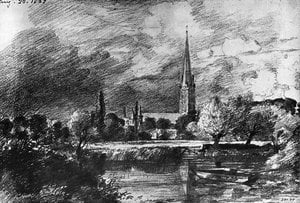
Harwich Lighthouse
Reproduction Size
John Constable’s “Harwich Lighthouse,” completed in 1820, isn’t merely a depiction of a coastal scene; it’s an embodiment of Romantic idealism distilled onto canvas. Painted during Constable’s formative years—a period marked by profound engagement with the natural world and fueled by influences from artists like Claude Lorrain—this monumental landscape transcends mere representation to convey a deeply felt emotion about place and time.
The painting captures Harwich Harbour, Essex, England, presenting a vista dominated by the imposing Harwich Lighthouse perched atop Beacon Hill. Constable meticulously rendered the turbulent sky—a swirling tapestry of bruised blues and pearlescent whites—reflecting the unpredictable weather conditions characteristic of the Suffolk coast. Beneath this brooding expanse lies the calm surface of the water, dotted with sailboats engaged in their daily routines.
Constable employed a masterful technique that foreshadowed the burgeoning Impressionist movement. Rather than striving for photographic accuracy, he prioritized capturing the fleeting effects of light and atmosphere. Thick impasto brushstrokes—particularly evident in the lighthouse tower and surrounding cliffs—build up textural surfaces that vibrate with energy. Constable’s palette is muted yet luminous, favoring earthy tones punctuated by splashes of brilliant white to illuminate key areas of interest.
The lighthouse itself serves as a potent symbol – representing guidance, perseverance, and the enduring presence of civilization amidst the forces of nature. Constable’s deliberate positioning of the lighthouse against the expansive sky speaks to the Romantic fascination with “the sublime”—that awe-inspiring experience of confronting overwhelming grandeur and recognizing humanity's insignificance in comparison. The sailboats symbolize human activity striving for harmony with the natural world.
"Harwich Lighthouse" resonates deeply with viewers due to Constable’s ability to convey a palpable sense of tranquility interwoven with underlying tension. It’s a painting that invites contemplation, prompting us to consider our relationship with landscape and the beauty found in confronting challenges. Constable's work established a new standard for landscape painting, influencing generations of artists who sought to capture the essence of nature—a legacy that continues to inspire admiration and appreciation today.
"Harwich Lighthouse" by John Constable conveys a calm emotional tone.
John Constable used the acrylic on canvas technique for "Harwich Lighthouse". The technique defines the material nature of the original work.
Yes - the artwork is kept in the artist's home country. The birth country of John Constable is United Kingdom, and the museum holding the original of "Harwich Lighthouse" is in United Kingdom.


1776 - 1837 , United Kingdom

Explore the profound legacy of John Constable. Discover how his mastery of light, atmosphere, and the English landscape redefined Romanticism through timeless, museum-quality oil reproductions for discerning collectors.

Explore the profound emotional power of Romantic landscape art. Discover how masters like Friedrich captured the sublime through breathtaking nature, and learn to curate these evocative masterpieces for your luxury interior collection.

 Preview
 Send
Send Share
Share
 Details
 Guide
Guide

 Download
 Similars
 X-Ray
X-Ray Diaporama
 Stats
Stats Read More









 Glass option is only available in size under 110 CM