
x


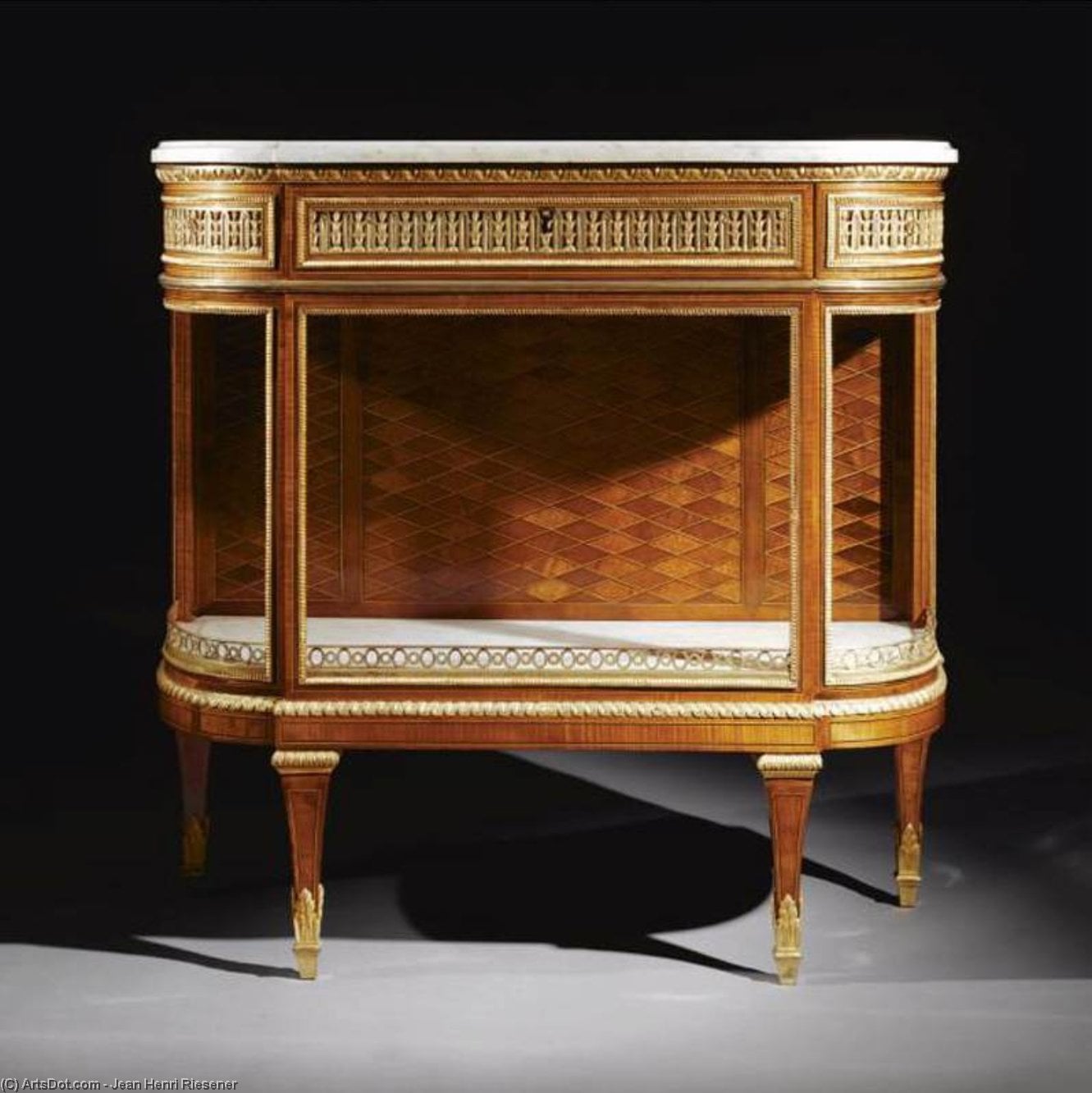
 1785
1785 91.0 x 99.0 cm
Hand-painted oil on canvas in your size and frame, made to order by our artists. ( Buy Print Buy Image)
Pick from our preset sizes that match the artwork's original proportions.

You may enter your own dimensions to fit a specific frame or space. If your selected size does not match the original image's proportions, we will either crop the artwork or extend the painting with additional hand-painted elements. A digital mockup will be sent for your approval before production begins.
Please note that the on-screen preview does not reflect the actual cropping or extension. Only the mockup will accurately show the final composition.
While custom sizes are available, we recommend selecting a dimension from the predefined list to preserve the original proportions.
Worldwide Delivery () in 3/4 weeks instead of standard 5 weeks. (29 August). No compromise on quality.


Console-Desserte
Reproduction Size

Born in Houghton-on-the-Hill, Leicestershire, in 1767, John Glover’s life and career unfolded across two distinct landscapes – the bustling urbanity of London and the burgeoning pastoral beauty of Van Diemen's Land (later Tasmania). Initially trained as a drawing master, Glover’s artistic talent quickly outstripped his initial ambitions. He transitioned to painting, establishing himself as a significant figure in both the British and, eventually, Australian art scenes. Often dubbed “the English Claude,” Glover’s legacy rests on his masterful depictions of light and atmosphere, particularly within landscapes – a style that profoundly influenced generations of artists to come.
Glover's early career was firmly rooted in London. He became a member of the Old Water Colour Society, a prestigious group dedicated to landscape painting, and later served as its president. His work during this period leaned heavily towards the “Italo-English” style, characterized by idealized views of Italianate scenery – rolling hills, cypress trees, and sun-drenched villas – that were immensely popular with British patrons. These paintings weren’t merely reproductions; Glover imbued them with a sense of romanticism and drama, employing atmospheric perspective and carefully considered compositions to evoke feelings of tranquility and grandeur. He was particularly adept at capturing the fleeting effects of light, earning him the moniker “the English Claude,” a comparison to the celebrated French landscape painter Claude Lorrain, known for his luminous and theatrical depictions of nature.
In 1835, Glover embarked on a transformative journey to Van Diemen’s Land (now Tasmania), then a frontier colony undergoing rapid expansion. This move marked a pivotal moment in his artistic career and cemented his reputation as the “father of Australian landscape painting.” The starkly different environment – vast open plains, rugged mountains, and eucalyptus forests – presented a new set of challenges and opportunities for an artist accustomed to the refined landscapes of England.
Initially, Glover struggled to find acceptance among the established colonial artists. However, his unique ability to capture the light and atmosphere of the Tasmanian wilderness gradually gained recognition. He began painting scenes of pastoral life – sheep stations, native settlements, and the dramatic coastal scenery – with a keen eye for detail and an understanding of the local environment. His paintings offered a romanticized yet authentic portrayal of colonial Australia, capturing both its beauty and its hardships.
Beyond simply depicting scenes from nature, Glover's paintings are rich in symbolism and narrative. His landscapes aren’t merely picturesque views; they are carefully constructed compositions that convey deeper meanings about human experience, the relationship between humanity and nature, and the passage of time. He frequently incorporated classical motifs – ruins, statues, and mythological figures – into his scenes, subtly referencing ancient traditions and adding layers of intellectual depth.
Glover’s use of light is particularly significant in this regard. He masterfully employed chiaroscuro—the dramatic contrast between light and shadow—to create a sense of drama and atmosphere. Light isn't simply illuminating the scene; it’s actively shaping the narrative, guiding the viewer’s eye and evoking specific emotions. For example, in paintings like “Mount Wellington and Hobart Town from Kangaroo Point,” the golden light of dawn bathes the landscape in an ethereal glow, creating a sense of tranquility and beauty.
Key Symbolic Elements:**John Glover’s impact on the development of landscape painting in both England and Australia is undeniable. His pioneering work in Tasmania established a new tradition of Australian landscape art, inspiring generations of artists to capture the beauty and drama of the continent's wilderness. He demonstrated that landscape could be more than just a pretty picture; it could be a vehicle for exploring complex themes and ideas.
Glover’s influence extends beyond Australia. His innovative use of light, atmosphere, and symbolism paved the way for later artists such as J.M.W. Turner and the Impressionists. He is remembered not only as a skilled painter but also as a visionary who helped to shape the course of art history. His paintings continue to be exhibited and admired today, testament to his enduring legacy as “the father of Australian landscape painting.”

1767 - 1828 , Germany


Stay updated with the latest art news, exclusive offers, and decoration ideas.
Tell us about your project and our art experts will provide you with 3 personalized art suggestions.
Let Us Curate 3 Options Just for You - Free!

 Preview
 Send
Send Share
Share
 Details

 Download
 Similars
 X-Ray
X-Ray Diaporama
 Read More




































 Glass option is only available in size under 110 CM


