
x


 Giclée PrintDigitalRococo Style
 1717
1717 56.0 x 81.0 cm
 Schloss Charlottenburg
Hand-painted oil on canvas in your size and frame, made to order by our artists. ( Buy Print Buy Image)
Pick from our preset sizes that match the artwork's original proportions.

You may enter your own dimensions to fit a specific frame or space. If your selected size does not match the original image's proportions, we will either crop the artwork or extend the painting with additional hand-painted elements. A digital mockup will be sent for your approval before production begins.
Please note that the on-screen preview does not reflect the actual cropping or extension. Only the mockup will accurately show the final composition.
While custom sizes are available, we recommend selecting a dimension from the predefined list to preserve the original proportions.
Worldwide Delivery () in 3/4 weeks instead of standard 5 weeks. (29 August). No compromise on quality.


The Shepherds
Reproduction Size
Jean-Antoine Watteau's "The Shepherds," painted in 1717, isn’t merely a depiction of a pastoral scene; it’s an exquisitely crafted invitation to a world of refined leisure and subtle emotion – the very essence of Rococo. This captivating work transports us to a hazy afternoon, bathed in the diffused light characteristic of Watteau's signature style. The painting captures twelve figures, a carefully assembled group of men and women, engaged in a quiet, almost dreamlike gathering amidst a grove of trees. It’s a scene brimming with an understated elegance that speaks volumes about the changing sensibilities of 18th-century France.
Watteau's artistic journey was anything but straightforward. Initially struggling for recognition within the rigid structures of Parisian art institutions, he honed his skills observing the vibrant life of Valenciennes, a city brimming with color and character. This early exposure to everyday scenes – the bustling streets, the colorful tradesmen, the lively social interactions – profoundly shaped his later work. He wasn’t interested in grand historical narratives or dramatic religious subjects; instead, Watteau sought to capture the fleeting beauty of ordinary moments, imbuing them with a sense of wistful melancholy and idealized romance.
“The Shepherds” exemplifies the hallmarks of the Rococo style. Watteau masterfully employs a delicate palette dominated by soft pastels – blush pinks, pale blues, creamy yellows, and muted greens – creating an atmosphere of hazy warmth and ethereal beauty. The colors aren’t applied with bold strokes but rather blended seamlessly, contributing to the painting's overall sense of softness and fluidity. Notice how light filters through the trees, dappling the figures in a gentle glow, further enhancing the dreamlike quality of the scene. This careful manipulation of color and light is crucial to understanding Watteau’s artistic vision; he wasn’t simply depicting a landscape; he was constructing an *feeling* – one of serene contentment and fleeting pleasure.
Watteau's technique is characterized by his loose, almost impressionistic brushwork. He avoided the precise detailing favored by earlier generations, opting instead for broad, sweeping strokes that suggest movement and atmosphere. The figures themselves are rendered with a remarkable degree of grace and fluidity, their forms dissolving into the surrounding landscape. This blurring of boundaries – between figure and background, reality and dream – is a defining feature of Rococo art and perfectly encapsulates Watteau’s artistic philosophy.
The figures in “The Shepherds” are not merely individuals enjoying an afternoon stroll; they represent a complex interplay of social and symbolic meanings. While the scene appears idyllic, it's important to consider the context of 18th-century France. The Rococo period was marked by a growing emphasis on leisure and aristocratic refinement. Watteau’s paintings often depicted scenes of courtly life – masked balls, elegant salons, and leisurely picnics – reflecting this shift in values.
The instruments being played—a lute and flute—suggest musical entertainment, while the figures engaged in conversation hint at social interaction and intellectual pursuits. The varied attire of the individuals subtly alludes to different social classes, though Watteau avoids any overt display of hierarchy. Instead, he presents a harmonious blend of characters, suggesting a shared appreciation for beauty and pleasure. The shepherdesses, often associated with innocence and rural charm, add another layer of symbolic richness to the composition.
“The Shepherds” continues to resonate with viewers today due to its evocative atmosphere and timeless appeal. WahooArt offers meticulously crafted hand-painted reproductions that faithfully capture the nuances of Watteau’s original masterpiece. These reproductions are not merely copies; they are works of art in their own right, imbued with the same delicate brushwork and atmospheric depth as the original.
Bring the gentle beauty and subtle emotion of Jean-Antoine Watteau’s "The Shepherds" into your home with a WahooArt reproduction. It's more than just a painting; it’s an invitation to step into a world of refined leisure and timeless elegance.


1684 - 1721 , France

Immerse yourself in the splendor of Rococo art. Discover the era of elegance through masterworks by Watteau and Fragonard. Explore themes of romance, aristocratic leisure, and gilded ornamentation in this definitive guide to 18th-century French opulence.
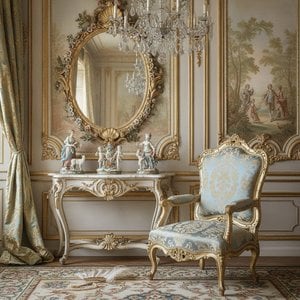
Discover the exquisite allure of Rococo art. Explore a curated guide to 18th-century French masterpieces, from Watteau to Fragonard, and learn how hand-painted oil reproductions can bring timeless elegance and luxury to your sophisticated interior design collection.


Stay updated with the latest art news, exclusive offers, and decoration ideas.
Tell us about your project and our art experts will provide you with 3 personalized art suggestions.
Let Us Curate 3 Options Just for You - Free!


 Send
Send Share
Share
 Details

 Download
 Similars
 Diaporama
 Read More




































 Glass option is only available in size under 110 CM


