

 1957
1957 90.0 x 139.0 cm
 National Museum of Colombia
Museum-quality giclée or canvas print with fast production and flexible finish options. ( Buy Hand Made Painting Switch to Digital Image)
Pick from our preset sizes that match the artwork's original proportions.

Type the width and the height you need, to fit your frame or your wall. A print can only be cut, never made bigger than the picture, so a size with a different shape loses a part of the image. We send you a digital mockup to approve before we print anything. The picture shown on this page does not show the real cut — only the mockup does.
Worldwide Delivery () in 2 weeks instead of standard 4/5 weeks. (27 October)
Elements Under an Eclipse
Reproduction Size

In the vibrant, sun-drenched streets of Barcelona at the turn of the twentieth century, a profound architectural transformation was taking place, driven by the spirit of Modernisme. At the heart of this movement stood Jaume Torres i Grau, an architect whose vision helped sculpt the very identity of the Catalan capital. Born in 1879, Torres i Grau emerged from a period of intense cultural awakening, bringing to his craft a unique ability to blend ornamental beauty with structural innovation. His life and work serve as a testament to an era when architecture was not merely about shelter, but about expressing the soul of a nation through stone, iron, and intricate design.
The early years of Torres i Grau’s career were defined by a masterful command of the Modernista style, characterized by organic forms and a deep reverence for craftsmanship. Working alongside his brother Raimon within the Sociedad Hermanos Torres, Jaume contributed to some of the most iconic residential ensembles in Barcelona. His hands shaped the elegant facades of the buildings on Aribau and París streets between 1905 and 1907, where the rhythmic interplay of light and shadow across decorative elements created a sense of movement within the urban fabric. These works were not isolated structures but part of a larger dialogue with the city, reflecting the burgeoning prosperity and artistic ambition of the Catalan bourgeoisie.
As the twentieth century progressed, the exuberant curves of Modernisme began to yield to new aesthetic currents. Torres i Grau demonstrated an extraordinary artistic plasticity, evolving his style in harmony with the shifting cultural tides of Spain. By the 1920s, his work underwent a significant metamorphosis, moving away from the floral excesses of his youth toward the more disciplined and monumental forms of Novecentismo. This period saw him embracing the grandeur of Baroque and Classicist influences, seeking a sense of order, permanence, and civic dignity.
This stylistic evolution is perhaps most brilliantly realized in his contribution to the Edificio de Correos y Telégrafos on Vía Layetana. In this monumental project, completed between 1926 and 1928, one can witness the architect's ability to command scale and authority. The transition from the whimsical to the classical allowed him to create spaces that felt both timeless and deeply rooted in the historical continuity of Europe. His later works were characterized by a sophisticated restraint, where the beauty lay in the precision of proportion and the strength of the architectural silhouette.
The enduring significance of Jaume Torres i Grau lies in his ability to have captured two distinct eras of Spanish history through the medium of built space. He was a bridge between the romantic, organic dreamscapes of the late 19th century and the structured, rationalist aspirations of the early 20th century. His architectural legacy remains etched into the very bones of Barcelona, visible in landmarks such as:
Though he passed away in 1945, the spirit of Torres i Grau continues to resonate through the streets he helped define. To walk through Barcelona is to engage in a silent conversation with his vision—a vision that transformed a growing metropolis into a living gallery of stone and light. His work remains an essential chapter in the story of Catalan identity, reminding us that architecture is the most permanent form of poetry.
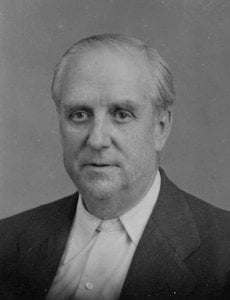
1879 - 1945 , Spain

 Preview
 Send
Send Share
Share
 Details
 Guide
Guide

 Download
 Similars
 X-Ray
X-Ray Diaporama
 Stats
Stats Read More






































 Glass option is only available in size under 110 CM


