

 Oil On CanvasWallArtAesthetic Impression
 190319th Century
 229.0 x 113.0 cm
Museum-quality giclée or canvas print with fast production and flexible finish options. ( Buy Hand Made Painting Switch to Digital Image)





























Pick from our preset sizes that match the artwork's original proportions.

You may enter your own dimensions to fit a specific frame or space. If your selected size does not match the original image's proportions, we will either crop the artwork or extend the image with a mirrored or solid-fill edge. A digital mockup will be sent for your approval before production begins.
Please note that the on-screen preview does not reflect the actual cropping or extension. Only the mockup will accurately show the final composition.
While custom sizes are available, we recommend selecting a dimension from the predefined list to preserve the original proportions.
Worldwide Delivery () in 2 weeks instead of standard 4/5 weeks. (17 September)


George W. Vanderbilt
Reproduction Size
In the quietude of James Abbott McNeill Whistler’s 1903 masterpiece, "George W. Vanderbilt," one finds much more than a mere likeness of an American industrial titan. To gaze upon this oil on canvas is to step into the heart of the Aesthetic Movement, where the artist’s primary devotion was not to the documentation of status, but to the pursuit of pure, unadulterated beauty. Whistler, a pioneer who famously championed the credo of "art for art's sake," crafts a portrait that breathes with a sense of atmospheric stillness. The subject, Vanderbilt, is captured in a moment of profound contemplation, his presence anchored against a subtly textured backdrop that seems to dissolve into the very air around him. It is a painting that does not shout its importance; rather, it whispers of an era defined by understated grandeur and a refined, soulful elegance.
The technical brilliance of this work lies in Whistler’s masterful command of tonalism and his delicate, impressionistic touch. Eschewing the rigid, hyper-realistic demands of Victorian academic painting, Whistler utilized a palette of muted browns, creams, and soft ochres to create a cohesive, harmonious mood. His brushwork is a study in controlled spontaneity; while certain elements possess a precise structural integrity, other areas—such as the folds of clothing or the periphery of the subject—are rendered with loose, evocative strokes. This deliberate lack of meticulous detail serves a higher purpose: it directs the viewer's eye toward the interplay of light and shadow, allowing the emotional weight of the piece to emerge from the soft gradations of color rather than from sharp lines.
Historically, this portrait stands as a defiant rebellion against the didacticism of the late 19th century. During a time when art was often expected to provide moral instruction or historical narrative, Whistler sought to liberate the canvas, treating color and form as musical notes in a visual composition. This philosophy makes "George W. Vanderbilt" an extraordinary piece for the modern collector or interior designer. The painting possesses a timeless quality that transcends its 1903 origins, offering a sophisticated anchor for any curated space. Its neutral, earthy tones and tranquil energy make it a versatile choice for high-end residential settings, where it can serve as a focal point of calm amidst the complexities of contemporary life.
For those seeking to bring the prestige of the Gilded Age into their homes through a high-quality reproduction, this artwork offers an unparalleled opportunity to engage with art history. A hand-painted tribute to Whistler’s vision does more than decorate a wall; it introduces a sense of intellectual depth and historical continuity. Whether placed in a sunlit study or a moody, formal dining room, the portrait invites long periods of reflection, much like the subject himself. It is an invitation to appreciate the subtle nuances of light, the beauty of restraint, and the enduring power of an artist who dared to prioritize sensation over story.


1834 - 1903 , United States of America

Explore 10 iconic paintings with captivating 'mushroom' tones! Discover Van Gogh, Monet & Rembrandt’s masterpieces—earthy palettes, rich history & artistic techniques. Find museum-quality art reproductions and curated decor ideas at
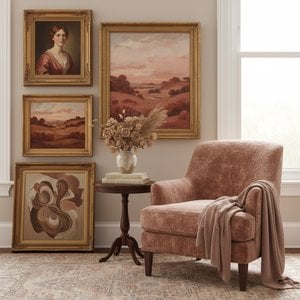
Explore 10 iconic paintings bathed in captivating rosy brown tones! From Rembrandt to Titian, discover the stories behind these masterpieces & their warm color palettes. Find museum-quality art reproductions and decor inspiration at .
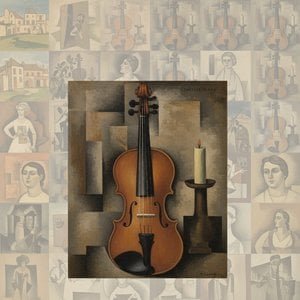
Explore 25 iconic Georges Braque paintings that revolutionized Cubism & modern art. Discover the stories behind his masterpieces, from Fauvism to Analytical Cubism. Find museum-quality reproductions & elevate your home decor with WahooArt.com.

Journey through 10 iconic paintings bathed in 'sand' tones – from Van Gogh to Monet. Explore the stories, techniques & warm palettes of these timeless masterpieces. Find museum-quality art reproductions at and bring classic beauty home.
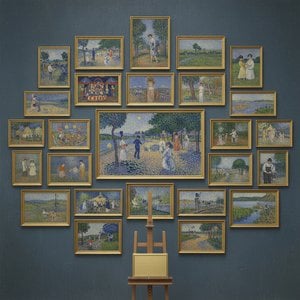
Explore 25 iconic Georges Seurat paintings & discover the brilliance of Pointillism. From 'La Grande Jatte' to his harbor scenes, delve into art history with WahooArt.com. Find museum-quality reproductions for your home decor. Explore the full collection online!

 Preview
 Send
Send Share
Share
 Details

 Download
 Similars
 X-Ray
X-Ray Diaporama
 Stats
Stats Read More







 Glass option is only available in size under 110 CM


