

Museum-quality giclée or canvas print with fast production and flexible finish options. ( Buy Hand Made Painting Switch to Digital Image)





























Pick from our preset sizes that match the artwork's original proportions.

You may enter your own dimensions to fit a specific frame or space. If your selected size does not match the original image's proportions, we will either crop the artwork or extend the image with a mirrored or solid-fill edge. A digital mockup will be sent for your approval before production begins.
Please note that the on-screen preview does not reflect the actual cropping or extension. Only the mockup will accurately show the final composition.
While custom sizes are available, we recommend selecting a dimension from the predefined list to preserve the original proportions.
Worldwide Delivery () in 2 weeks instead of standard 4/5 weeks. (13 September)


Jean-Pierre Bonnefous
Reproduction Size
Jacques Loyau’s photograph, “Jean-Pierre Bonnefous,” transcends mere documentation; it's a masterful distillation of athletic grace and dramatic tension—a cornerstone of French sports photography during the mid-1950s. Captured between 1966 and 1969, this image commemorates Tony Trabert’s triumphant victory at the Men’s Singles Tournament, cementing Loyau’s reputation as a visual storyteller capable of conveying profound emotion through carefully considered composition.
Loyau's technique exemplifies the ethos of Impressionistic Photography. Utilizing studio lighting—likely employing reflectors and gels—he skillfully manipulates light to sculpt Trabert’s physique, creating striking contrasts between illumination and shadow that heighten the dynamism of the pose. The photograph’s grainy texture speaks to the limitations of early photographic processes but contributes significantly to its atmospheric quality, mirroring the palpable excitement surrounding the sporting event.
The image's composition is strikingly deliberate. A low-angle perspective emphasizes Trabert’s stature and conveys a sense of power, while dominant diagonal lines—formed by Trabert’s limbs in mid-leap—inject movement into the static frame. These lines intersect with the rectangular background, establishing a geometric framework that reinforces the image's stability despite its energetic subject matter.
“Jean-Pierre Bonnefous” is more than just a record of athletic achievement; it embodies themes of resilience and unwavering focus. Trabert’s gaze—direct, intense, and unwavering—communicates determination amidst the pressure of competition. The photograph's monochrome palette amplifies these emotional nuances, stripping away distracting color to concentrate on the core essence of human performance.
Loyau’s work reflects the broader cultural fascination with documenting sporting events during this period—a burgeoning trend toward capturing experiences and preserving moments in time. It stands as an exemplar of visual storytelling, demonstrating how photography could convey not only factual information but also palpable emotion and psychological insight. Loyau's legacy resides in his ability to transform a simple athletic contest into a timeless image of human aspiration.


France

Explore the profound evolution of documentary photography through a cultural lens. From early social realism to modern visual narratives, discover how photographers have captured history, labor, and the human condition to redefine fine art.

Explore the profound evolution of contemporary photography through a connoisseur's lens. From monochrome mastery to digital innovation, discover how modern photographic works shape fine art collections and define our cultural legacy.

Explore the profound artistry of black and white photography. From historical mastery to the interplay of light and shadow, discover how monochrome captures timeless emotion and form through a sophisticated lens of art history.
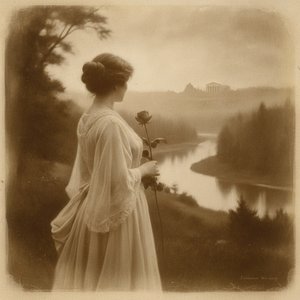
Explore the profound history of Pictorialism, the revolutionary movement that elevated photography to a fine art. Uncover how visionaries used painterly techniques and soft focus to transcend mere documentation, imbuing the lens with the emotional depth of classical masterpieces.

Explore the profound emotional depth of documentary photography art. Discover how collectors curate powerful historical narratives through museum-quality black and white prints and fine art reproductions that preserve humanity's most resilient moments.

 Preview
 Send
Send Share
Share
 Details

 Download
 Similars
 X-Ray
X-Ray Diaporama
 Stats
Stats

 Read More







 Glass option is only available in size under 110 CM


