Preview AR preview Buy Hand Made Painting Switch to Digital Image Send
Details Guide Add to favorites Download Similars X-Ray Diaporama Q&A Presentation Stats

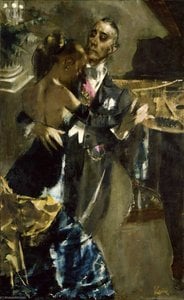
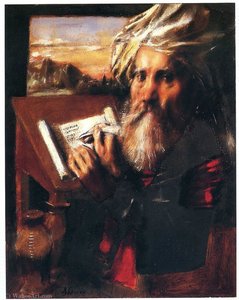
Untitled (988)

Jack Levine (1915-2010): American Social Realist painter & printmaker famed for satirical critiques of modern life, political corruption, & biblical art. A key Boston Expressionist.

The artwork displayed on this page is protected by copyright law, which means we cannot legally create or sell an identical reproduction. This protection is enforced under international agreements such as the Berne Convention and by national laws, including those outlined by the U.S. Copyright Law - Title 17.

This method fully complies with copyright regulations because it does not involve copying or duplicating the protected artwork. Instead, it is a creative reinterpretation - a new painting that is influenced by the original but not identical to it.

Giclée / Art Print

Museum-quality giclée or canvas print with fast production and flexible finish options. ( Buy Hand Made Painting Switch to Digital Image)

Standard
custom
CM
INCH

Pick from our preset sizes that match the artwork's original proportions.

width
height

Type the width and the height you need, to fit your frame or your wall. A print can only be cut, never made bigger than the picture, so a size with a different shape loses a part of the image. We send you a digital mockup to approve before we print anything. The picture shown on this page does not show the real cut — only the mockup does.

Worldwide Delivery () in 2 weeks instead of standard 4/5 weeks. (11 November)

Free Worldwide Express Shipping
High-Quality Linen Canvas
Full Shipping Insurance
Customs Tax Refund Guarantee
True Color Matching Guarantee
100-Day Return Policy (Defects Only)
100% Money-Back Guarantee
Bulk Discount Offer

Total Price

$ 69

Untitled (988)

Giclée / Art Print

Reproduction Size

-

Total Price

$ 69


Artist Biography

Jack Levine: A Life in Social Realism

Early Life and Education

  • Born: January 3, 1915, Boston, Massachusetts.
  • Levine grew up in the South End of Boston, observing a vibrant street life composed largely of European immigrants and marked by poverty. These early experiences profoundly shaped his artistic vision.
  • Formal Training: He began studying drawing with Harold K. Zimmerman from 1924-1931. From 1929 to 1933, he studied at Harvard University under Denman Ross alongside Hyman Bloom.
  • Even as an adolescent, Levine demonstrated exceptional draftsmanship, earning early recognition from Denman Ross who included his work in exhibitions and provided financial support.

Artistic Influences and Development

  • Early Influences: Levine’s formative years were influenced by artists like Hyman Bloom, Chaïm Soutine, Georges Rouault, and Oskar Kokoschka.
  • He became associated with Boston Expressionism, a style characterized by emotional intensity and expressive distortion.
  • WPA Years: From 1935 to 1940, Levine worked for the Works Progress Administration (WPA), which provided crucial support for artists during the Great Depression. This period allowed him to focus on his art and develop his social commentary.
  • European Influences: A Fulbright grant in 1951 took him to Europe, where he was deeply affected by the Mannerism of El Greco, inspiring him to exaggerate forms for expressive effect.

Themes and Style

  • Social Commentary: Levine is best known for his biting satires on modern life, political corruption, and societal ills. His work often critiques power structures and exposes hypocrisy.
  • Biblical Narratives: He frequently revisited biblical themes, offering unique interpretations of classic stories.
  • Distinct Style: Levine’s style is characterized by expressive figures, dramatic compositions, and a keen eye for detail. His paintings often possess a sense of theatricality and psychological depth.

Major Achievements and Recognition

  • Early Exhibitions: He had his first New York exhibition at the Museum of Modern Art in 1936, showcasing works like “Card Game” and “Brain Trust.”
  • Controversial Work: His painting "Welcome Home" (1946) sparked controversy when displayed in Moscow due to its perceived criticism of military power.
  • Museum Acquisitions: Numerous museums acquired his work, including the Metropolitan Museum of Art and the Whitney Museum of American Art.
  • National Academy of Design: Elected into the National Academy of Design as an associate member in 1979 and became a full academician in 1982.
  • In 1973, the Vatican purchased his painting “Cain and Abel,” to the satisfaction of Pope Paul VI.

Historical Significance and Legacy

  • Social Realism Pioneer: Jack Levine is considered a pivotal figure in American Social Realism, using his art as a platform for social and political commentary.
  • Lasting Impact: His work continues to resonate with audiences today, offering insights into the complexities of 20th-century society.
  • Estate Representation: The estate of Jack Levine is represented by DC Moore Gallery, ensuring his legacy endures through continued exhibitions and scholarship.
  • Levine died on November 8, 2010, in Manhattan, New York, at the age of 95, leaving behind a significant body of work that continues to be studied and admired.
Jack Levine

Jack Levine

1915 - 2010

Quick Facts

  • Name: Jack Levine
  • Movement: Social Realism, Boston Expressionism
  • Birth Date: January 3, 1915
  • Death Date: November 8, 2010
  • Birth Place: Boston, Massachusetts
  • Nationality: American
  • Date Of Birth: 1915
  • Date Of Death: 2010
  • Influenced By:
    • Hyman Bloom
    • Chaïm Soutine
    • Georges Rouault
    • Oskar Kokoschka
  • Notable Works:
    • Card Game
    • Brain Trust
    • The Feast of Pure Reason
    • String Quartet
    • Welcome Home
    • Birmingham '63
Explore artworks organized by themes, styles, and characteristics.