x


Hand-painted oil on canvas in your size and frame, made to order by our artists. ( Buy Print Buy Image)





























Pick from our preset sizes that match the artwork's original proportions.

You may enter your own dimensions to fit a specific frame or space. If your selected size does not match the original image's proportions, we will either crop the artwork or extend the painting with additional hand-painted elements. A digital mockup will be sent for your approval before production begins.
Please note that the on-screen preview does not reflect the actual cropping or extension. Only the mockup will accurately show the final composition.
While custom sizes are available, we recommend selecting a dimension from the predefined list to preserve the original proportions.
Worldwide Delivery () in 3/4 weeks instead of standard 5 weeks. (29 August). No compromise on quality.


Table clock
Reproduction Size
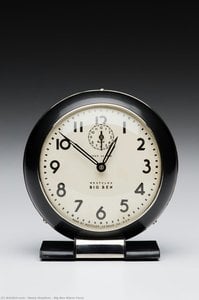
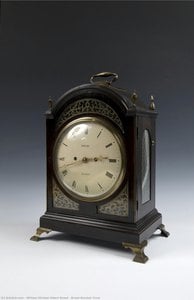
The “Table Clock,” a captivating work by Henrik Immanuel Wigström, offers a glimpse into the heart of the Fabergé workshops and the refined tastes of the Russian Imperial Court. This exquisite timepiece transcends its functional purpose, becoming a miniature masterpiece of craftsmanship and design – a testament to Wigström’s mastery of neoclassical aesthetics and his pivotal role in shaping the opulent legacy of the House of Fabergé. The photograph reveals a central purple clock dominating the composition, its metallic surface reflecting light with an almost jewel-like intensity. Surrounding it are two smaller clocks, creating a layered effect that speaks to a deliberate display of luxury and precision.
The “Table Clock” exemplifies the meticulous techniques employed by Wigström and his team within the Fabergé workshops. The clock’s construction likely involved a combination of lost-wax casting for the metal components, intricate hand-engraving to embellish the surface with delicate patterns – potentially floral or geometric motifs echoing Art Nouveau influences – and masterful polishing to achieve a lustrous finish. The use of purple enamel, a signature element in many Fabergé pieces, adds another layer of richness and sophistication. The presence of multiple clocks suggests an exploration of different materials and techniques within the workshop’s vast repertoire.
Timepieces like this were far more than mere instruments for measuring hours; they were potent symbols of status, wealth, and imperial power. The clock's circular frame further emphasizes its importance, reminiscent of classical design elements favored by the Russian court. The inclusion of smaller clocks hints at a deliberate display – perhaps intended for a prominent figure within the Imperial household or as part of a larger collection showcasing the artistry of the Fabergé workshops. It’s a tangible link to a period defined by lavish celebrations and unparalleled artistic patronage.
The “Table Clock” evokes a sense of timeless elegance and quiet luxury. Its rich purple hue, combined with the intricate detailing, creates a visually arresting piece that commands attention. WahooArt.com offers meticulously crafted hand-painted reproductions of this artwork, allowing you to bring this exquisite example of Fabergé craftsmanship into your own home or office. Each reproduction is created using traditional techniques and high-quality materials, ensuring an authentic representation of Wigström’s original vision – a perfect addition for art lovers, collectors, and interior designers seeking to infuse their spaces with a touch of imperial grandeur.

Henrik Immanuel Wigström stands as a pivotal figure in the history of Russian goldsmithing and, crucially, the opulent world of Fabergé. Born in Ekenäs, Finland, in 1862, Wigström’s artistic journey began amidst the burgeoning Art Nouveau movement but swiftly cemented itself within the exacting standards of the Imperial Court, shaping the aesthetic landscape of his era. While often overshadowed by his more flamboyant colleague Michael Perchin, Wigström possessed an unparalleled dedication to craftsmanship and a profound understanding of Louis XVI, Empire, and neoclassical styles—qualities that ensured he became Fabergé’s most prolific workmaster after Perchin's untimely demise in 1903.
His formative years were defined by rigorous discipline and a deep-seated fascination for the decorative arts. Wigström received his early artistic education at the Helsingfors Konstakademi (Finnish Art Academy), where he honed his skills in silver and goldsmithing. This grounding in traditional techniques would prove invaluable as he navigated the complexities of the Fabergé workshop, allowing him to master the delicate balance between structural integrity and ornamental splendor.
When Wigström joined the Fabergé atelier in 1903, he inherited a monumental responsibility: maintaining the prestige of the House of Fabergé following the loss of Perchin. He did not merely maintain this standard; he elevated it. Under his leadership, the workshop produced an astonishing array of decorative objects that embodied the grandeur of Imperial Russia. His work is characterized by a refined neoclassical aesthetic, leaning into the elegance of the Louis XVI and Empire styles to create pieces that felt both timeless and profoundly luxurious.
Wigström's artistic output was remarkably diverse, ranging from functional objects of high utility to purely ornamental treasures. His mastery is evident in several key areas:
The true genius of Wigström lay in his technical perfectionism. His work is defined by flawless enamelwork, intricate guilloche engraving, and the masterful manipulation of precious metals. Every piece he touched reflected a meticulous attention to detail that satisfied even the most discerning members of the Romanov dynasty. By blending the delicate textures of fine enamel with the structural strength of gold and silver, he created objects that were as much feats of engineering as they were works of art.
As the era of Imperial Russia drew to a close, Wigström’s contributions remained a testament to a vanished world of unparalleled opulence. His ability to interpret historical styles through a modern, refined lens ensured that his work would remain iconic long after the workshops of St. Petersburg fell silent. Today, his legacy lives on through the rare and precious artifacts that continue to captivate collectors, serving as enduring symbols of the height of Fabergé's artistic achievement.

1862 - 1923 , Finland

Discover the enduring allure of metal art. Explore how masterfully forged sculptures blend industrial strength with organic elegance to create timeless investment pieces for sophisticated collectors and luxury interiors.


Stay updated with the latest art news, exclusive offers, and decoration ideas.
Tell us about your project and our art experts will provide you with 3 personalized art suggestions.
Let Us Curate 3 Options Just for You - Free!

 Preview
 Send
Send Share
Share
 Details

 Download
 Similars
 X-Ray
X-Ray Diaporama


 Read More







 Glass option is only available in size under 110 CM