
x


Hand-painted oil on canvas in your size and frame, made to order by our artists. ( Buy Print Buy Image)





























Pick from our preset sizes that match the artwork's original proportions.

You may enter your own dimensions to fit a specific frame or space. If your selected size does not match the original image's proportions, we will either crop the artwork or extend the painting with additional hand-painted elements. A digital mockup will be sent for your approval before production begins.
Please note that the on-screen preview does not reflect the actual cropping or extension. Only the mockup will accurately show the final composition.
While custom sizes are available, we recommend selecting a dimension from the predefined list to preserve the original proportions.
Worldwide Delivery () in 3/4 weeks instead of standard 5 weeks. (29 August). No compromise on quality.


untitled (2265)
Reproduction Size
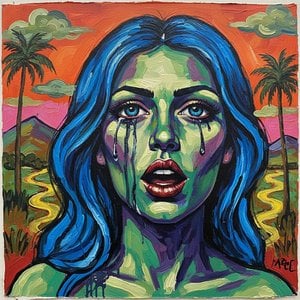
Henri Matisse, a titan amongst Fauvist painters and arguably the most influential artist of his generation, gifted us with “Untitled (2265),” a deceptively simple portrait that belies its profound depth. Painted sometime between 1906 and 1913—a period marked by Matisse’s fervent embrace of Fauvism—this artwork transcends mere representation; it embodies the very essence of Matisse's revolutionary approach to color and form.
Matisse’s decision to eschew traditional shading techniques wasn't arbitrary; it stemmed from a belief that color alone could convey emotion and atmosphere more effectively than grayscale realism. He meticulously studied the work of Impressionists like Monet and Cézanne, recognizing their pioneering use of light and color but ultimately rejecting their adherence to naturalistic observation. Instead, Matisse sought to liberate color from its subservient role in depicting reality, transforming it into an independent element capable of generating feeling.
“Untitled (2265)” emerged during a pivotal moment in art history—the early 20th century—when artists were actively challenging established norms and experimenting with new artistic languages. Matisse’s Fauvist movement represented a bold reaction against the prevailing stylistic trends of the time, signaling a decisive break from Impressionism and Post-Impressionism.
Beyond its formal qualities—color palette, brushstrokes, composition—the painting possesses a subtle symbolic dimension. The woman’s gaze inward suggests a preoccupation with inner thoughts and feelings, reflecting Matisse’s own philosophical concerns about the human condition. The floral wallpaper serves as an additional element of visual richness, subtly reinforcing the theme of beauty and contemplation.


1869 - 1954 , France
Embark on a journey through the vibrant world of Fauvism. Discover how masters like Henri Matisse revolutionized art through bold colors and raw emotion in this expert-led guide to one of modern art's most powerful movements.

Explore the vibrant revolution of Fauvism. Discover how masters like Matisse liberated color to redefine modern art. Dive into an expert-led journey through the 'Wild Beasts' movement and learn how to bring this bold, expressive energy into your personal collection.


Stay updated with the latest art news, exclusive offers, and decoration ideas.
Tell us about your project and our art experts will provide you with 3 personalized art suggestions.
Let Us Curate 3 Options Just for You - Free!

 Preview
 Send
Send Share
Share
 Details

 Download
 Similars
 X-Ray
X-Ray Diaporama
 Read More







 Glass option is only available in size under 110 CM


