


Museum-quality giclée or canvas print with fast production and flexible finish options. ( Buy Hand Made Painting Buy Image)





























Pick from our preset sizes that match the artwork's original proportions.

You may enter your own dimensions to fit a specific frame or space. If your selected size does not match the original image's proportions, we will either crop the artwork or extend the image with a mirrored or solid-fill edge. A digital mockup will be sent for your approval before production begins.
Please note that the on-screen preview does not reflect the actual cropping or extension. Only the mockup will accurately show the final composition.
While custom sizes are available, we recommend selecting a dimension from the predefined list to preserve the original proportions.
Worldwide Delivery () in 2 weeks instead of standard 4/5 weeks. (6 September)


not identified (20)
Reproduction Size
In the vast, vibrant tapestry of Henri Matisse’s oeuvre, certain works act as quiet anchors, offering a moment of profound stillness amidst the swirling colors of the Fauvist revolution. “Not Identified” (1920) is precisely such a masterpiece. It presents a deceptively simple scene: a doorway that serves not merely as an architectural element, but as a threshold between the known and the infinite. Through this frame, we glimpse a luminous window bathed in diffused daylight, where the sky peeks through like a whispered promise. The composition is anchored by a sense of domestic tranquility, featuring a solitary chair and the subtle presence of a figure that seems caught in a moment of quiet observation. It is an invitation to pause, to breathe, and to look through the lens of Matisse’s unique, emotive vision.
The painting captures a delicate balance between interior intimacy and exterior vastness. The doorway, with its clean white frame, acts as a visual stabilizer, directing the viewer's gaze upward toward the heavens. There is a rhythmic harmony in the arrangement—the placement of the chair, the empty cabinet above the door, and the soft interplay of light—that suggests a carefully orchestrated stage for human experience. For the collector or interior designer, this piece offers a sophisticated focal point that brings a sense of airy openness and contemplative peace to any space, acting as a "window" that expands the perceived boundaries of a room.
To understand this work is to understand Matisse’s revolutionary departure from academic realism. Moving away from the heavy shadows and meticulous anatomical precision of his predecessors, Matisse embraced a palette that prioritized expressive force over literal representation. In “Not Identified,” we encounter a masterful orchestration of earthy tones—warm ochre, soft beige, and muted pale greens. These colors are not merely descriptive; they are atmospheric. They work in concert with the brilliant, light-filled backdrop of the window to create a sense of depth through temperature and tone rather than traditional shading.
The technique reflects the artist's transition toward a more streamlined, decorative elegance. The flatness of the forms emphasizes the intrinsic beauty of the pigments themselves, a hallmark of the Fauvist spirit where color is liberated from its duty to mimic reality. This stylistic choice creates a surface that is both modern and timeless. For those seeking a high-quality reproduction, this emphasis on color and clean lines ensures that the artwork retains its striking impact, whether placed in a contemporary minimalist setting or a classic, richly textured interior.
Beyond the technical brilliance lies the emotional soul of the piece. Matisse’s journey—from an aspiring lawyer to a pioneer of modern art—was fueled by a desire to capture the essence of joy and serenity. “Not Identified” embodies this pursuit. It does not demand attention through shock or chaos; instead, it earns it through a gentle, persistent beauty. The painting evokes a sense of nostalgia and longing, reminding us of those quiet afternoons spent watching the light shift across a room, lost in thought.
Owning a piece that echoes Matisse’s vision is an opportunity to surround oneself with the philosophy of l'art pour l'art—art for art's sake. It is a celebration of the beauty found in simplicity and the profound emotional weight of a single, well-placed color. As a reproduction, this work serves as more than mere decoration; it is an atmospheric element that invites introspection, making it an invaluable acquisition for anyone looking to infuse their environment with culture, history, and a sense of transcendent calm.

1869 - 1954 , France
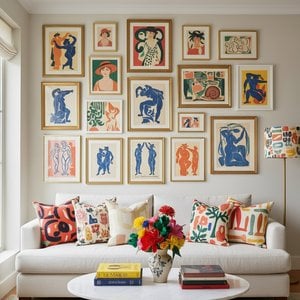
Journey through Henri Matisse's 25 most iconic paintings! Explore Fauvism, vibrant colors & the stories behind masterpieces like 'The Dance'. Find museum-quality art reproductions and curated decor ideas to elevate your space. Discover all masterpieces on WahooArt.com.
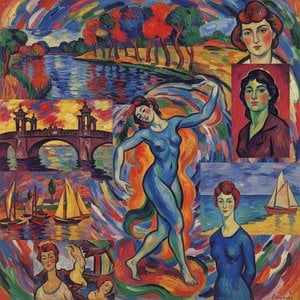
Explore 10 Fauvist masterpieces by Matisse, Derain & Vlaminck that ignited Modern Art! Discover bold colors, expressionist landscapes & the history of this revolutionary movement. Find museum-quality prints at WahooArt.com.
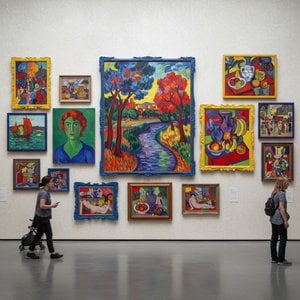
Explore the revolutionary world of Fauvism! Discover 10 masterpieces by Matisse, Derain & Vlaminck that defined this bold art movement. Find museum-quality reproductions and vibrant canvas prints to elevate your home decor at .
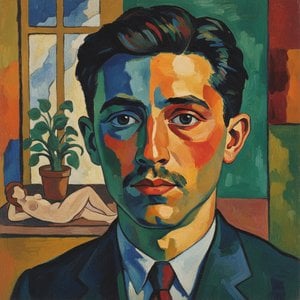
Explore the revolutionary art of Henri Matisse! Discover his bold use of color, Fauvist origins, and lasting impact on modern painting. A comprehensive guide for art enthusiasts.

Explore the revolutionary Fauvism movement & Henri Matisse's bold use of color! Discover key characteristics, iconic artworks, and its lasting impact on modern art history with WahooArt.

 Preview
 Send
Send Share
Share
 Details

 Download
 Similars
 X-Ray
X-Ray Diaporama

 Read More







 Glass option is only available in size under 110 CM


