

 Acrylic On CanvasWallArtFauvism
 1907Modern
 73.0 x 60.0 cm
Museum-quality giclée or canvas print with fast production and flexible finish options. ( Buy Hand Made Painting Switch to Digital Image)





























Pick from our preset sizes that match the artwork's original proportions.

You may enter your own dimensions to fit a specific frame or space. If your selected size does not match the original image's proportions, we will either crop the artwork or extend the image with a mirrored or solid-fill edge. A digital mockup will be sent for your approval before production begins.
Please note that the on-screen preview does not reflect the actual cropping or extension. Only the mockup will accurately show the final composition.
While custom sizes are available, we recommend selecting a dimension from the predefined list to preserve the original proportions.
Worldwide Delivery () in 2 weeks instead of standard 4/5 weeks. (21 September)


Music (Sketch)
Reproduction Size
Henri Matisse, a titan of modern art, remains an artist whose influence continues to resonate across generations. “Music (Sketch),” created in 1907 during his formative years as a Fauvist painter, offers a glimpse into the revolutionary aesthetic he championed – a bold departure from traditional representation that prioritized color and expressive form above meticulous detail.
Understanding Fauvism: The movement’s genesis can be traced back to Louis Vauxcelles' scathing critique of Matisse’s canvases at the Salon d’Automne in Paris. Vauxcelles famously declared them “fauves,” meaning “wild beasts,” capturing the essence of Fauvist art perfectly – a deliberate rejection of academic conventions and an embrace of unrestrained chromatic intensity.
"Music (Sketch)" is a deceptively simple painting measuring 73 x 60 cm. At first glance, it presents four nude figures arranged dynamically across the canvas—a violinist dominates the left side, while others occupy positions behind him. The artist’s masterful use of charcoal and oil paint creates an illusion of movement, mirroring the rhythm and energy inherent in musical performance.
Technique: Matisse employed loose brushstrokes and a flattened perspective to achieve this effect, characteristic of his Fauvist style. Color is applied boldly and deliberately, eschewing subtle gradations in favor of saturated hues that pulsate with vitality. The palette leans heavily on reds, yellows, and blues—colors chosen not for their literal depiction but for their emotional impact.
The figures themselves are imbued with symbolic significance. They represent humanity’s engagement with art and music – a celebration of creativity and beauty. The violinist embodies musical expression, while the postures of the other subjects convey contemplation and repose. Matisse's intention wasn't merely to portray a scene; he sought to evoke feelings of joy and liberation.
Historical Context: Created during a period of artistic experimentation and intellectual ferment, “Music (Sketch)” reflects the broader cultural anxieties surrounding modernity. It stands as a testament to Matisse’s unwavering conviction in the transformative power of color—a belief that would solidify his legacy as one of the most influential artists of the 20th century.
Matisse’s artistic explorations extended far beyond “Music (Sketch).” Consider his masterful depictions of Odalisque and Spanish Still Life, showcasing similar stylistic hallmarks. Furthermore, delve into his Expressionist work "Red Interior. Still Life on a Blue Table" to appreciate the breadth of his creative vision.
To experience Matisse’s artistic brilliance firsthand, explore high-quality reproductions available at WahooArt.com and discover how this iconic sketch continues to inspire collectors and designers alike.


1869 - 1954 , France
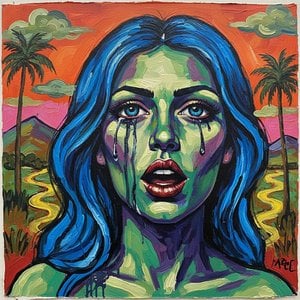
Embark on a journey through the vibrant world of Fauvism. Discover how masters like Henri Matisse revolutionized art through bold colors and raw emotion in this expert-led guide to one of modern art's most powerful movements.

Explore the vibrant world of Fauvism with our expert guide. Discover how Matisse and Derain revolutionized art through bold colors and expressive strokes. Perfect for classic art enthusiasts seeking to deepen their passion for modern masterpieces.

Explore the profound emotional depth of Expressionist painting. From the bold colors of Emil Nolde to the distorted forms of Kirchner, discover how this movement redefined art through raw feeling and visceral texture in our expert guide to art history.

Explore the vibrant revolution of Fauvism. Discover how masters like Matisse liberated color to redefine modern art. Dive into an expert-led journey through the 'Wild Beasts' movement and learn how to bring this bold, expressive energy into your personal collection.

 Preview
 Send
Send Share
Share
 Details
 Guide
Guide

 Download
 Similars
 X-Ray
X-Ray Diaporama
 Stats
Stats Read More







 Glass option is only available in size under 110 CM


