
x


 Acrylic On CanvasWallArtFauvist Expressionism
 1950
1950 20.0 x 12.0 cm
Museum-quality giclée or canvas print with fast production and flexible finish options. ( Buy Hand Made Painting Buy Image)





























Pick from our preset sizes that match the artwork's original proportions.

You may enter your own dimensions to fit a specific frame or space. If your selected size does not match the original image's proportions, we will either crop the artwork or extend the image with a mirrored or solid-fill edge. A digital mockup will be sent for your approval before production begins.
Please note that the on-screen preview does not reflect the actual cropping or extension. Only the mockup will accurately show the final composition.
While custom sizes are available, we recommend selecting a dimension from the predefined list to preserve the original proportions.
Worldwide Delivery () in 2 weeks instead of standard 4/5 weeks. (4 September)


Creole Dancer
Reproduction Size
Henri Matisse's “Creole Dancer,” completed in 1950, stands as a testament to the enduring power of Fauvist aesthetics—a movement that championed unrestrained color and simplified forms as radical departures from Impressionism. This captivating gouache painting on cut paper resides within the Musée Matisse in Nice, offering visitors an intimate glimpse into Matisse’s artistic vision during his prolific later years.
Born in 1869 in Le Cateau-Cambrésis, Henri Émile Benoît Matisse initially pursued a legal career before discovering the transformative influence of painting. Following an illness that sidelined him from law, he embraced art with fervor—a passion nurtured by his mother’s generous gift of artistic supplies. This serendipitous encounter ignited a lifelong dedication to color and form, propelling him toward a path that would redefine modern art.
Matisse's Fauvist style wasn’t merely about applying pigment; it was about rejecting academic conventions in favor of emotional expression. Artists like Matisse deliberately eschewed naturalistic representation, prioritizing vibrant hues—often jarringly juxtaposed—to convey mood and feeling directly to the viewer. “Creole Dancer” exemplifies this ethos perfectly, abandoning photographic accuracy for a bold declaration of color.
The painting’s palette is dominated by reds, blues, and yellows – colors deliberately chosen not for their descriptive qualities but for their emotive impact. Matisse skillfully layered gouache onto cut paper, creating a textured surface that enhances the vibrancy of the hues. The artist's meticulous attention to detail—particularly in capturing the delicate folds of the dancer’s dress and the luminous glow of the flowers—demonstrates his mastery of technique.
"Creole Dancer" transcends mere visual beauty; it carries symbolic weight. The dancer herself embodies grace, movement, and vitality – qualities Matisse sought to convey through reductive simplification. The flowers adorning her head symbolize femininity, joy, and perhaps even a connection to the natural world. Scattered stars contribute to an ethereal atmosphere, hinting at dreams and aspirations.
Ultimately, “Creole Dancer” succeeds in capturing a moment of serene contemplation amidst exuberant color. Matisse’s masterful use of pigment and form invites viewers into a realm where emotion triumphs over representation. It's a painting that speaks to the fundamental human desire for beauty and harmony—a timeless masterpiece that continues to inspire admiration and intrigue.


1869 - 1954 , France
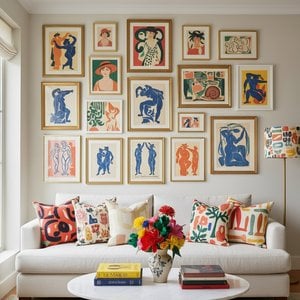
Journey through Henri Matisse's 25 most iconic paintings! Explore Fauvism, vibrant colors & the stories behind masterpieces like 'The Dance'. Find museum-quality art reproductions and curated decor ideas to elevate your space. Discover all masterpieces on WahooArt.com.
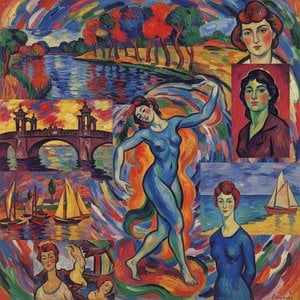
Explore 10 Fauvist masterpieces by Matisse, Derain & Vlaminck that ignited Modern Art! Discover bold colors, expressionist landscapes & the history of this revolutionary movement. Find museum-quality prints at WahooArt.com.
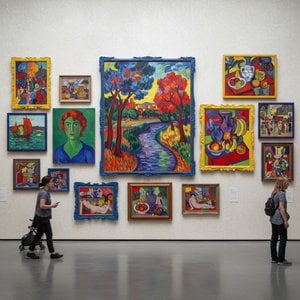
Explore the revolutionary world of Fauvism! Discover 10 masterpieces by Matisse, Derain & Vlaminck that defined this bold art movement. Find museum-quality reproductions and vibrant canvas prints to elevate your home decor at .

Explore 10 defining Abstract Expressionism masterpieces by Pollock, Rothko & de Kooning. Discover the stories behind these iconic paintings and find museum-quality art reproductions to elevate your home decor on .

Journey through Wassily Kandinsky's 25 most iconic abstract paintings. Explore his revolutionary use of color, form & spiritual expressionism. Find museum-quality Kandinsky reproductions and elevate your home decor with WahooArt.com. Discover all masterpieces on WahooArt.com!


Stay updated with the latest art news, exclusive offers, and decoration ideas.
Tell us about your project and our art experts will provide you with 3 personalized art suggestions.
Let Us Curate 3 Options Just for You - Free!

 Preview
 Send
Send Share
Share
 Details

 Download
 Similars
 X-Ray
X-Ray Diaporama
 Read More







 Glass option is only available in size under 110 CM


