
x


 Oil On CanvasWallArtFauvist Expressionism
 1921Modern
 73.0 x 60.0 cm
Museum-quality giclée or canvas print with fast production and flexible finish options. ( Buy Hand Made Painting Buy Image)





























Pick from our preset sizes that match the artwork's original proportions.

You may enter your own dimensions to fit a specific frame or space. If your selected size does not match the original image's proportions, we will either crop the artwork or extend the image with a mirrored or solid-fill edge. A digital mockup will be sent for your approval before production begins.
Please note that the on-screen preview does not reflect the actual cropping or extension. Only the mockup will accurately show the final composition.
While custom sizes are available, we recommend selecting a dimension from the predefined list to preserve the original proportions.
Worldwide Delivery () in 2 weeks instead of standard 4/5 weeks. (2 September)


Boudoir
Reproduction Size
In the quiet corners of art history, few moments capture the essence of domestic serenity as poignantly as Henri Matisse’s 1921 masterpiece, Boudoir. This intimate portrait transcends a mere depiction of a private space; it serves as a profound window into the Fauvist soul, where color is not merely an embellishment but the very heartbeat of the composition. As one gazes upon this scene, there is an immediate sense of being suspended in time within a Parisian bedroom, a sanctuary of warmth and stillness that invites the viewer to breathe alongside the subjects. The painting centers on a woman seated comfortably in a chair, cradling her infant daughter, creating a focal point of maternal tenderness that radiates through the entire canvas.
Matisse, a pioneer who famously rejected the rigid constraints of academic realism, utilizes this piece to showcase his mastery of expressive color and simplified form. The technique is characterized by loose, gestural brushstrokes that prioritize visual impact over meticulous, photographic detail. Rather than relying on heavy outlines, Matisse allows colors to bleed into one another, creating a fluid, rhythmic energy. This approach is particularly evident in the way the bold crimson of the carpets and drapery draws the eye upward, mirroring the verticality of the room and establishing a sense of architectural grace despite the flattened perspective.
To encounter Boudoir is to experience a deliberate dialogue between warmth and coolness. The color palette is a meticulously considered arrangement of reds, pinks, and creams, which are masterfully balanced by the soothing blues and greens found in the clothing and the lush potted plant. These contrasting tones do more than just create visual interest; they evoke an emotional resonance of peace and stability. The lighting, appearing diffused and natural as if filtering through a nearby window, casts soft shadows that illuminate the figures without the harshness of dramatic chiaroscuro, further enhancing the painting's tranquil mood.
The composition itself is a study in balanced geometry. Matisse employs rectangles to represent windows and chairs, establishing a structural framework that provides a sense of enclosure and domesticity. This architectural stability is softened by the organic presence of the figures and the subtle inclusion of a second woman observing from the window, which adds a layer of depth and narrative interaction. For the collector or interior designer, this piece offers a unique versatility; its vibrant yet harmonious palette can serve as a commanding focal point in a modern space, bringing a sense of sophisticated calm and historical depth to any room.
Historically, Boudoir emerged during a pivotal era for Matisse, a time when he was refining the revolutionary language of Fauvism into something more classical yet no less powerful. While his earlier works were often labeled as "wild beasts" due to their intense colorism, this period shows an evolution toward a more structured, decorative quality that celebrates the beauty of everyday life. The painting captures the quiet intimacy of private existence, turning a simple domestic moment into a universal symbol of peace and maternal connection.
For those seeking to adorn their homes with art that inspires contemplation, a high-quality reproduction of this work offers more than just decoration. It brings into a living space the very essence of Matisse’s philosophy: that art should be a source of comfort, a "soothing influence" for the weary mind. Whether placed in a sunlit reading nook or a grand salon, Boudoir remains an enduring testament to the power of color to transform a physical environment into an emotional sanctuary.


1869 - 1954 , France

Step inside the soul of art. Explore 10 iconic masterpieces that redefine 'interior' through evocative techniques and timeless stories. From Impressionist scenes to modern classics, find museum-quality reproductions for your space. Discover all masterpieces on WahooArt.com.

Journey through the vibrant, soulful world of Henri Matisse. From the bold colors of Fauvism to his iconic cutouts, explore 25 legendary masterpieces that redefined modern art. Find inspiration for museum-quality decor and fine art reproductions. Discover all masterpieces on WahooArt.com.

Immerse yourself in the vibrant world of Fernand Léger. Explore 25 iconic masterpieces of Cubism and Tubism, from bold geometric forms to machine-age energy. Find inspiration for your decor with museum-quality reproductions. Discover all masterpieces on WahooArt.com.

Immerse yourself in the vibrant world of Alexej von Jawlensky. Explore 25 iconic Expressionist masterpieces, from emotive portraits to bold colors. Find inspiration for your collection with museum-quality art reproductions at WahooArt.com. Discover all masterpieces online.
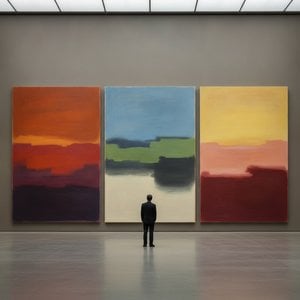
Immerse yourself in the profound emotion of Abstract Expressionism. Explore our curated guide to the top 25 Mark Rothko masterpieces, from iconic color field paintings to museum-quality reproductions for your decor. Discover all masterpieces on WahooArt.com.


Stay updated with the latest art news, exclusive offers, and decoration ideas.
Tell us about your project and our art experts will provide you with 3 personalized art suggestions.
Let Us Curate 3 Options Just for You - Free!

 Preview
 Send
Send Share
Share
 Details

 Download
 Similars
 X-Ray
X-Ray Diaporama
 Read More







 Glass option is only available in size under 110 CM


