
x


 Acrylic On CanvasWallArtSymbolism
 1899
1899 82.0 x 52.0 cm
 Albertina
Hand-painted oil on canvas in your size and frame, made to order by our artists. ( Buy Print Buy Image)





























Pick from our preset sizes that match the artwork's original proportions.

You may enter your own dimensions to fit a specific frame or space. If your selected size does not match the original image's proportions, we will either crop the artwork or extend the painting with additional hand-painted elements. A digital mockup will be sent for your approval before production begins.
Please note that the on-screen preview does not reflect the actual cropping or extension. Only the mockup will accurately show the final composition.
While custom sizes are available, we recommend selecting a dimension from the predefined list to preserve the original proportions.
Worldwide Delivery () in 3/4 weeks instead of standard 5 weeks. (29 August). No compromise on quality.


Silver Fish (Nymphs)
Reproduction Size
Painted in 1899, during a pivotal period in Gustav Klimt's artistic development, Silver Fish (Nymphs) is a mesmerizing and unsettling work that embodies the fin-de-siècle fascination with symbolism, female mystique, and the subconscious. This evocative piece transports viewers to an ethereal realm where boundaries blur between reality and dream.
The artwork depicts two figures – a dominant, elongated female form embracing or overshadowing a smaller, darker male figure. The composition is deliberately flattened, lacking traditional perspective, which enhances the painting’s otherworldly quality. The larger figure, reminiscent of water nymphs or *undines* from folklore, appears to be both protective and constricting. Below her, the diminutive male seems almost absorbed into the swirling depths. A backdrop of abstract green tones punctuated by vertical lines – suggestive of bars or windows – creates a sense of enclosure and perhaps even imprisonment.
Silver Fish (Nymphs) is firmly rooted in the Symbolist movement, characterized by its emphasis on subjective experience, emotional resonance, and the use of symbolic imagery. However, it also anticipates Klimt’s later explorations into Expressionism. The painting showcases his signature technique: loose, visible brushwork with a prominent impasto texture that lends a tactile quality to the surface. Oil paints are applied in swirling patterns, particularly within the background, creating a dynamic and fluid atmosphere. The limited color palette – dominated by dark greens and browns – contributes to the overall somber and mysterious mood.
Vienna in the late 19th century was a hotbed of artistic and intellectual ferment. Klimt, along with other artists associated with the Vienna Secession, rebelled against the conservative academic traditions of the time. They sought to create a new art that reflected the anxieties and uncertainties of modern life. The Symbolist movement provided an outlet for exploring themes of sexuality, death, and the subconscious – subjects often taboo in mainstream society. This painting reflects this cultural shift, offering a glimpse into the psychological landscape of the era.
The symbolism within Silver Fish (Nymphs) is open to interpretation, adding to its enduring appeal. The figures can be seen as representing different aspects of the feminine psyche – the alluring yet potentially dangerous power of women. The “silver fish” title itself evokes a sense of fragility and elusiveness. The confining vertical lines in the background suggest societal constraints or psychological barriers. The relationship between the two figures is complex, hinting at themes of dominance, dependence, and perhaps even entrapment. Some scholars also point to parallels with contemporary psychoanalytic theories exploring the complexities of human relationships.
Silver Fish (Nymphs) is a deeply evocative work that elicits a range of emotions – from melancholy and mystery to unease and fascination. The painting’s dreamlike quality invites viewers to project their own interpretations onto the scene, creating a personal connection with the artwork. Its atmospheric mood and sensuous brushwork make it a compelling addition to any collection. The piece's subdued color palette and intriguing composition also lend themselves well to various interior design schemes, adding a touch of sophistication and intrigue to living spaces.


1862 - 1918 , Austria
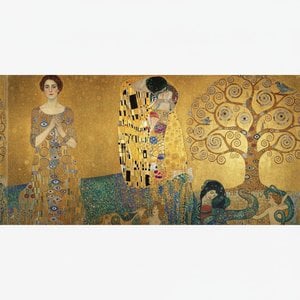
Delve into the world of Gustav Klimt with our top 25 masterpieces! Explore his iconic paintings – 'The Kiss,' 'Portrait of Adele,' and more. Discover museum-quality reproductions & curated decor ideas. Explore the full collection online at WahooArt.com.

Journey into Art Nouveau's golden age! Explore 10 masterpieces by Klimt, Mucha & more. Discover captivating stories behind iconic paintings, floral motifs & flowing lines. Find museum-quality art reproductions for your home at .

Delve into the dreamlike world of Symbolism with 10 iconic masterpieces by Moreau, Munch & Redon. Explore the movement’s emotional depth and artistic techniques. Find museum-quality reproductions & curated decor ideas at WahooArt.com.

Explore the captivating world of Gustav Klimt with WahooArt. Discover his iconic paintings, the Vienna Secession movement, & enduring legacy. High-quality reproductions available.
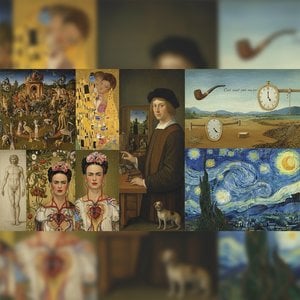
Delve into the enchanting world of Symbolism with 10 iconic paintings by Klimt, Munch & Moreau. Explore hidden meanings, dreamlike imagery & rich color palettes. Find museum-quality art reproductions at WahooArt.com and transform your home gallery. Discover all masterpieces on WahooArt.com


Stay updated with the latest art news, exclusive offers, and decoration ideas.
Tell us about your project and our art experts will provide you with 3 personalized art suggestions.
Let Us Curate 3 Options Just for You - Free!

 Preview
 Send
Send Share
Share
 Details

 Download
 Similars
 X-Ray
X-Ray Diaporama
 Read More







 Glass option is only available in size under 110 CM


