

Hand-painted oil on canvas in your size and frame, made to order by our artists. ( Switch to Print Switch to Digital Image)
Pick from our preset sizes that match the artwork's original proportions.

You may enter your own dimensions to fit a specific frame or space. If your selected size does not match the original image's proportions, we will either crop the artwork or extend the painting with additional hand-painted elements. A digital mockup will be sent for your approval before production begins.
Please note that the on-screen preview does not reflect the actual cropping or extension. Only the mockup will accurately show the final composition.
While custom sizes are available, we recommend selecting a dimension from the predefined list to preserve the original proportions.
Worldwide Delivery () in 3/4 weeks instead of standard 5 weeks. (10 September). No compromise on quality.


Contact sheet 30_4,
Reproduction Size
Gordon Parks’ “Contact Sheet 30_4” is far more than a mere collection of photographic frames; it is a profound, rhythmic window into the mid-century American experience. Captured in 1952, this work serves as a frozen moment in time, imbued with both a gritty, unvarnished realism and a subtle, haunting beauty. As one gazes upon this contact sheet, they are not just looking at images, but stepping into a densely populated urban landscape where the pulse of the city is palpable. Parks, a master of observing everyday life without judgment, invites us to witness the quiet dignity and the bustling energy of a community unfolding amidst storefronts and sidewalks. The composition is deliberately layered and busy, mirroring the very dynamism of the streets it depicts, yet through his masterful eye, Parks achieves a delicate balance that guides the viewer’s gaze through specific, intimate human interactions hidden within the urban sprawl.
The technical execution of this piece carries an undeniable emotional weight. As a black and white photograph born from film, the work possesses a characteristic grainy texture that evokes a sense of nostalgia and historical truth. Parks utilizes dramatic contrasts between light and shadow to sculpt the streetscape, creating a sculptural depth that makes the architectural elements—the building facades, the storefronts, and the receding sidewalks—feel almost tactile. These strong lines delineate the postures of the figures, weaving organic human forms into the geometric rigidity of the city. The interplay of light creates a sense of movement, highlighting textures ranging from the rough shadows of alleyways to the smoother surfaces caught in the midday sun, making the photograph feel alive with the natural daylight of a bygone era.
To truly appreciate “Contact Sheet 30_4”, one must understand the turbulent historical landscape from which it emerged. Taken during the burgeoning years of the Civil Rights Movement, Parks’ lens captures the realities faced by African Americans in urban America with a poetic yet unflinching honesty. The photograph operates on a deeply symbolic level; while it documents the mundane routines of city life—people conversing, waiting, or simply passing by—it also serves as a silent witness to the struggles for equality and justice that were beginning to reshape the nation. There is a profound tension within the frames: the anonymity of the public space contrasted with the deeply personal, lived experiences of the individuals captured within it.
For the discerning collector or interior designer, this piece offers an unparalleled opportunity to introduce a sense of narrative depth and historical gravity into a space. It is a work that demands contemplation, providing a sophisticated focal point that transcends simple decoration. Whether placed in a modern gallery setting or a classic study, the monochrome palette and rich textures of Parks' work provide a timeless elegance. Owning a high-quality reproduction of this contact sheet means possessing a fragment of American history—a piece of visual poetry that continues to resonate with its themes of community, resilience, and the enduring beauty found within the everyday.

as a self-taught artist, parks began his career as a photographer, eventually becoming the first african american to work for life and vogue magazines. his iconic photos of poor americans during the 1940s, taken for a federal government project, are a testament to his skill and dedication.
gordon parks' legacy extends beyond his impressive body of work, as he paved the way for future generations of african american artists. his contributions to photojournalism, filmmaking, and music continue to inspire and influence artists today.

1912 - 2006 , United States of America

Explore the profound evolution of contemporary photography through a connoisseur's lens. From monochrome mastery to digital innovation, discover how modern photographic works shape fine art collections and define our cultural legacy.

Explore the profound evolution of documentary photography through a cultural lens. From early social realism to modern visual narratives, discover how photographers have captured history, labor, and the human condition to redefine fine art.
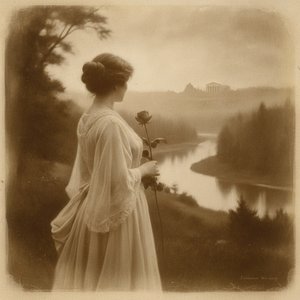
Explore the profound history of Pictorialism, the revolutionary movement that elevated photography to a fine art. Uncover how visionaries used painterly techniques and soft focus to transcend mere documentation, imbuing the lens with the emotional depth of classical masterpieces.

Explore the profound emotional depth of documentary photography art. Discover how collectors curate powerful historical narratives through museum-quality black and white prints and fine art reproductions that preserve humanity's most resilient moments.

Explore the profound artistry of black and white photography. From historical mastery to the interplay of light and shadow, discover how monochrome captures timeless emotion and form through a sophisticated lens of art history.

 Send
Send Share
Share
 Details

 Download
 Similars
 Diaporama
 Stats
Stats


 Read More




































 Glass option is only available in size under 110 CM


