

 Oil On CanvasWallArtRococo
 1749
1749 95.0 x 142.0 cm
 Yale Center for British Art
Hand-painted oil on canvas in your size and frame, made to order by our artists. ( Switch to Print Switch to Digital Image)





























Pick from our preset sizes that match the artwork's original proportions.

You may enter your own dimensions to fit a specific frame or space. If your selected size does not match the original image's proportions, we will either crop the artwork or extend the painting with additional hand-painted elements. A digital mockup will be sent for your approval before production begins.
Please note that the on-screen preview does not reflect the actual cropping or extension. Only the mockup will accurately show the final composition.
While custom sizes are available, we recommend selecting a dimension from the predefined list to preserve the original proportions.
Worldwide Delivery () in 3/4 weeks instead of standard 5 weeks. (17 September). No compromise on quality.


Warwick Castle
Reproduction Size
To gaze upon this depiction of Warwick Castle is to be transported across the centuries, standing at the confluence of medieval might and Rococo elegance. Painted in 1749, this work captures more than just stone and mortar; it encapsulates a moment in time when history was both preserved and presented for admiration. Canaletto, the master chronicler of Italian light and grand vistas, brought his unparalleled skill to document this magnificent English landmark. The sheer scale suggested by the many towers and turrets speaks to centuries of strategic importance, making the castle itself a monumental subject worthy of such detailed artistic reverence.
Canaletto’s signature style shines through with breathtaking clarity. While he is perhaps most famous for his luminous portrayals of Venice, his ability to render architectural grandeur in any setting remains evident here. Observe the meticulous detail applied to the stonework; every angle and curve seems captured with scientific precision, yet it breathes with life. The composition is masterfully balanced, drawing the eye from the foreground activity—the strolling figures suggesting leisurely promenade—back towards the imposing bulk of the castle itself. This technical brilliance allows the viewer to appreciate both the solid permanence of the architecture and the ephemeral nature of human life passing before it.
What elevates this piece beyond mere architectural record is the vibrant sense of narrative woven throughout the scene. The inclusion of several people meandering through the grounds suggests a day of pleasure, perhaps during a grand festival or royal visit. Further enhancing this liveliness are the birds soaring in the azure sky, their flight adding a delicate, airy counterpoint to the heavy stone below. Even the presence of a boat upon the water hints at the castle's enduring connection to its surrounding waterways—a vital artery for both defense and daily commerce. It is a scene brimming with implied sound: the murmur of conversation, the cry of gulls, and the gentle lapping of water against ancient foundations.
For the collector or designer seeking to infuse a space with depth, history, and unparalleled artistry, this reproduction offers profound resonance. It speaks to an appreciation for enduring beauty—the kind that withstands the passage of time. Imagine this piece gracing a drawing-room or library; it acts as a sophisticated conversation starter, inviting contemplation on eras past. Canaletto’s ability to marry documentary accuracy with romantic atmosphere ensures that the artwork feels both scholarly and deeply emotional, making it a centerpiece that anchors any grand interior design scheme.

giovanni antonio canal, commonly known as canaletto, was born on october 18, 1697, in venice, italy. he was the son of bernardo canal, a painter of theatrical scene settings, and artemisia barbieri. canaletto's early training in painting began with his father, who taught him the fundamentals of art.
in 1718, canaletto traveled to rome, where he worked on producing scenery for two operas by alessandro scarlatti. this experience had a profound impact on his development as an artist. upon returning to venice, canaletto began painting in his signature topographical style, which would eventually make him famous.
some of canaletto's most notable works include:
canaletto's use of precise perspective and meticulous preparatory drawings has led some experts to believe he may have employed a camera obscura for topographical accuracy. however, his primary concern remained the compositional design, ensuring his works were not merely accurate recordings but also visually stunning.
canaletto's work can be found in various museums, including the national gallery, london, which showcases his influence on 18th-century art. his legacy extends to the numerous artists he inspired, cementing his place as a master of venetian landscapes.
remember to explore the world of art at https://WahooArt.com for more biographies and artworks.
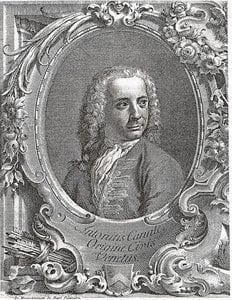
1697 - 1768 , Italy

Journey through John Constable's 25 most celebrated landscapes. Explore Romanticism, Dedham Vale & his masterful use of light in iconic paintings like 'Hay Wain'. Find museum-quality art reproductions and elevate your home decor on WahooArt.com.

Explore the rich history of landscape art with WahooArt. Discover renowned artists, movements like Impressionism & Romanticism, and expert guidance for collecting timeless pieces. Find your perfect serene escape today!

Explore the life & art of Giovanni Antonio Canal (Canaletto), a Venetian master renowned for his breathtaking cityscapes. Discover his techniques, legacy, and captivating depictions of 18th-century Venice & London.

Journey through 10 Romantic landscape masterpieces by Friedrich, Turner & Cole. Explore emotional art, sublime nature scenes & iconic 19th-century paintings. Find museum-quality reproductions for your home at WahooArt.com – discover the full collection online!

Explore the captivating landscapes of Michelangelo Morlaiter, a key figure in 18th-century Venetian painting. Discover his mastery of atmospheric perspective and lasting influence on Italian art history. Learn more at WahooArt.

 Preview
 Send
Send Share
Share
 Details

 Download
 Similars
 X-Ray
X-Ray Diaporama
 Stats
Stats Read More







 Glass option is only available in size under 110 CM


