Acrylic On CanvasWallArtBaroque Painting
 1675
1675 74.0 x 96.0 cm
 Rijksmuseum
Purchase a high-resolution, enhanced digital image, far superior to the online preview.
Each file is meticulously prepared by our in-house specialists using advanced tools and expert manual retouching. We ensure every image has exceptional clarity, precise color accuracy, and fine detail.
The final file is delivered via email within 72 hours, optimized for immediate use in professional, editorial, and print environments. This is the same quality trusted by top-tier design studios, publishers, and galleries.
Download a high-resolution file for personal display, printing, and creative projects. ( Switch to Print Buy Hand Made Painting)
When you choose WahooArt.com, you're not just getting an image - you're receiving a professionally enhanced digital artwork, crafted with precision and backed by a satisfaction guarantee. Here's everything that comes with your order, automatically:

Your high-resolution digital image file will be emailed to you within 72 hours of ordering - ready for immediate use.

Your artwork is professionally optimized using advanced AI tools and manual editing, ensuring maximum detail, clarity, and color accuracy.

Accidentally deleted or lost your file? No worries - we'll resend it to you anytime, free of charge.

Enjoy your artwork instantly with zero customs, duties, or delivery fees - digital downloads are always tax-free.

We ensure your digital image reflects the original colors as closely as possible using professional tools and color management.

If you're not satisfied with your digital image, we'll revise it or refund 100% within 100 days - no questions asked.

Not satisfied? Get a full refund within 100 days of receiving your digital file - no questions asked.

Buy 3 images, save 10% - Buy 5, save 15% - Buy 10+, save 20%. Great for creative projects, galleries, and agencies.
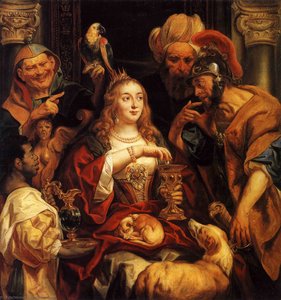
Gérard de Lairesse’s “Cleopatra’s Banquet,” painted in 1675, isn't merely a depiction of a historical event; it’s a carefully constructed tableau of power, seduction, and opulent extravagance. This dramatic scene, brimming with theatricality and rich color, transports the viewer to a moment of intense rivalry between Cleopatra, the last pharaoh of Egypt, and Mark Antony, one of Rome's most formidable generals. The painting captures not just a wager—Cleopatra’s audacious challenge to dissolve a pearl in vinegar and drink the resulting liquid—but also the very essence of her captivating allure and strategic brilliance.
Lairesse, a leading figure of Belgian Baroque art, masterfully employs light and shadow to create a palpable sense of drama. The composition is meticulously arranged, drawing our eye through a carefully orchestrated series of figures and gestures. Cleopatra, positioned at the heart of the scene, exudes an air of regal confidence as she removes her earring—a gesture laden with symbolic weight, suggesting both defiance and control. Her posture, her gaze, and the subtle curve of her lips all contribute to an image of calculated charm and unwavering authority.
To fully appreciate “Cleopatra’s Banquet,” it's crucial to understand its historical context. The painting draws upon a well-established narrative—Pliny the Elder’s account of a wager between Cleopatra and Antony, where she demonstrated her wealth by dissolving a pearl in vinegar. Lairesse elevates this anecdote into a grand theatrical spectacle, reminiscent of a classical play. He deliberately borrows elements from Italianate stage design, evident in the elaborate architecture and the carefully positioned figures, creating an illusionistic space that invites the viewer to step into the scene.
The composition is remarkably balanced, with a clear hierarchy of importance. Cleopatra dominates the center, surrounded by a throng of elegantly dressed guests—both men and women—each contributing to the overall sense of lavishness. The inclusion of a dog near the bottom left corner adds an unexpected touch of realism and humanizes the scene, grounding it in a tangible reality amidst the fantastical elements.
Lairesse’s technical skill is immediately apparent. He demonstrates a remarkable command of color, using rich reds, golds, and blues to create a vibrant and luxurious atmosphere. The use of *chiaroscuro*—the dramatic contrast between light and shadow—heightens the sense of drama and emphasizes key figures within the composition. Notice how he uses light to illuminate Cleopatra’s face, drawing attention to her expression and reinforcing her position as the central figure.
Beyond its visual splendor, “Cleopatra’s Banquet” is rich in symbolism. The pearl itself represents wealth, power, and beauty—qualities that Cleopatra sought to exploit to her advantage. The act of dissolving it in vinegar symbolizes a willingness to risk everything for love and ambition. The setting, with its classical architecture and opulent furnishings, evokes the grandeur of ancient Rome and Egypt, underscoring the clash between these two powerful civilizations.
Reproductions of “Cleopatra’s Banquet” capture a significant portion of the original's captivating atmosphere. The painting’s dramatic lighting, intricate details, and compelling narrative continue to inspire artists and designers today. When commissioning a high-quality reproduction, consider the scale and framing to best complement your interior space. The rich colors and dynamic composition will undoubtedly add a touch of historical grandeur and theatrical flair to any room.

Gérard de Lairesse (1640-1711) was a prominent Belgian painter who significantly contributed to the development and flourishing of Baroque art during the 17th century. Born in Liège, Belgium, his career spanned a period of considerable artistic transformation across Europe, leaving behind a legacy marked by dramatic compositions, masterful use of light and shadow, and a distinct influence on subsequent generations of artists.
Gérard de Lairesse holds a significant place in the history of Belgian art, representing a key figure in the development of Baroque painting within the region. His skillful use of chiaroscuro, dramatic compositions, and emotive narratives established him as a notable artist of his time. Today, his works are recognized for their artistic merit and historical importance, with pieces residing in prestigious collections such as the National Gallery in London. WahooArt.com offers high-quality reproductions of de Lairesse's masterpieces, allowing art enthusiasts to appreciate his contributions to Baroque art.

1640 - 1711 , Belgium

 Preview
 Send
Send Share
Share
 Details
 Guide
Guide

 Download
 Similars
 X-Ray
X-Ray Diaporama
 Stats
Stats Read More