
x


 Oil On CanvasWallArtRomantic Realism
 1763
1763 69.0 x 104.0 cm
 Tate Gallery
Hand-painted oil on canvas in your size and frame, made to order by our artists. ( Buy Print Buy Image)





























Pick from our preset sizes that match the artwork's original proportions.

You may enter your own dimensions to fit a specific frame or space. If your selected size does not match the original image's proportions, we will either crop the artwork or extend the painting with additional hand-painted elements. A digital mockup will be sent for your approval before production begins.
Please note that the on-screen preview does not reflect the actual cropping or extension. Only the mockup will accurately show the final composition.
While custom sizes are available, we recommend selecting a dimension from the predefined list to preserve the original proportions.
Worldwide Delivery () in 3/4 weeks instead of standard 5 weeks. (27 August). No compromise on quality.


Lion Devouring a Horse
Reproduction Size
To stand before George Stubbs’ magnificent "Lion Devouring a Horse" is to be plunged into a moment of raw, untamed drama. This 1763 oil on canvas does more than merely depict an animal encounter; it arrests time itself, freezing the apex of conflict in vivid, masterful strokes. Stubbs, celebrated for his unparalleled anatomical studies of equine life, elevates this scene beyond mere natural history painting into a profound meditation on power dynamics and survival. The sheer energy radiating from the central action—the lion’s powerful jaws closing upon the struggling form of the horse—is breathtaking, inviting the viewer to lean in, breathless, as if they too are witnessing the struggle firsthand.
Stubbs' technical brilliance is immediately apparent. The artist possessed an almost scientific understanding of musculature, rendering both creatures with startling verisimilitude. Observe the texture: the lion’s coat, rendered in deep, brooding shades of brown and black, contrasts dramatically against the lighter, more yielding tones used for the horse and the surrounding landscape. This masterful use of color heightens the tension; the rich saturation of the foreground elements pops against the serene, yet dramatic, backdrop of the rocky terrain beneath a clear blue sky. The composition is inherently balanced, guiding the eye inexorably toward the violent nexus at the center, while the scattered trees and open sky provide just enough context to ground this intense spectacle in a believable, if theatrical, outdoor setting.
The genesis of this powerful piece is rooted in classical antiquity. Stubbs himself noted that his inspiration stemmed from an antique marble sculpture encountered during his travels to Rome. This connection suggests that the painting is not just a record of wildlife, but a dialogue across centuries—a conversation between Renaissance artistic ideals and the vibrant realism of the Georgian era. By referencing such classical models while executing it in the rich, tactile medium of oil on canvas, Stubbs bridges epochs. It speaks to an enduring human fascination with mythic struggle, making the work timeless regardless of its 18th-century origins.
Beyond the technical prowess lies a deeper symbolic resonance. The confrontation between the lion—often a symbol of raw, untamed masculine power—and the horse, frequently representing nobility, grace, or even humanity itself, creates an immediate tension. The act depicted suggests a brutal assertion of dominance. For the modern collector or decorator, this painting offers more than just decorative flair; it injects a palpable sense of narrative drama into any space. It is a conversation piece that demands attention, suggesting themes of struggle, inevitable change, and the raw beauty found at the precipice of conflict.
For those who wish to capture this electrifying moment in their own interiors, acquiring a high-quality reproduction allows one to possess this masterpiece's energy without leaving the comfort of home. The ability of an oil painting medium to retain such depth and vibrancy ensures that the drama—the tension between the predator and the prey—remains immediate and visceral. It is an investment not only in art history but in a continuous source of dramatic, sophisticated inspiration for any discerning eye.


1724 - 1806 , United Kingdom

Explore the majesty of the King of Beasts through art history. From Baroque drama to Romantic realism, discover how master painters capture the power and soul of lions in exquisite oil reproductions and fine art prints for discerning collectors.
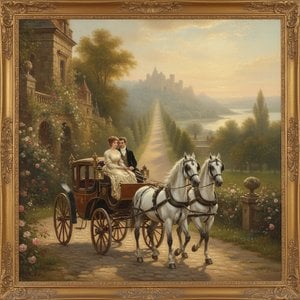
Embark on a visual journey through the romantic world of horse carriage art. Discover the mastery of equestrian oil paintings, from Impressionist textures to classical realism, and learn how to bring timeless elegance into your home with museum-quality reproductions.


Stay updated with the latest art news, exclusive offers, and decoration ideas.
Tell us about your project and our art experts will provide you with 3 personalized art suggestions.
Let Us Curate 3 Options Just for You - Free!

 Preview
 Send
Send Share
Share
 Details

 Download
 Similars
 X-Ray
X-Ray Diaporama
 Read More







 Glass option is only available in size under 110 CM


