
FREE ART CONSULTATION

x
Buy Painting Buy PaintingBuy Image Buy Image SendSend
DetailsDetails Add to favorites Add to favorites DownloadDownload SimilarsSimilars X-RayX-Ray DiaporamaDiaporama

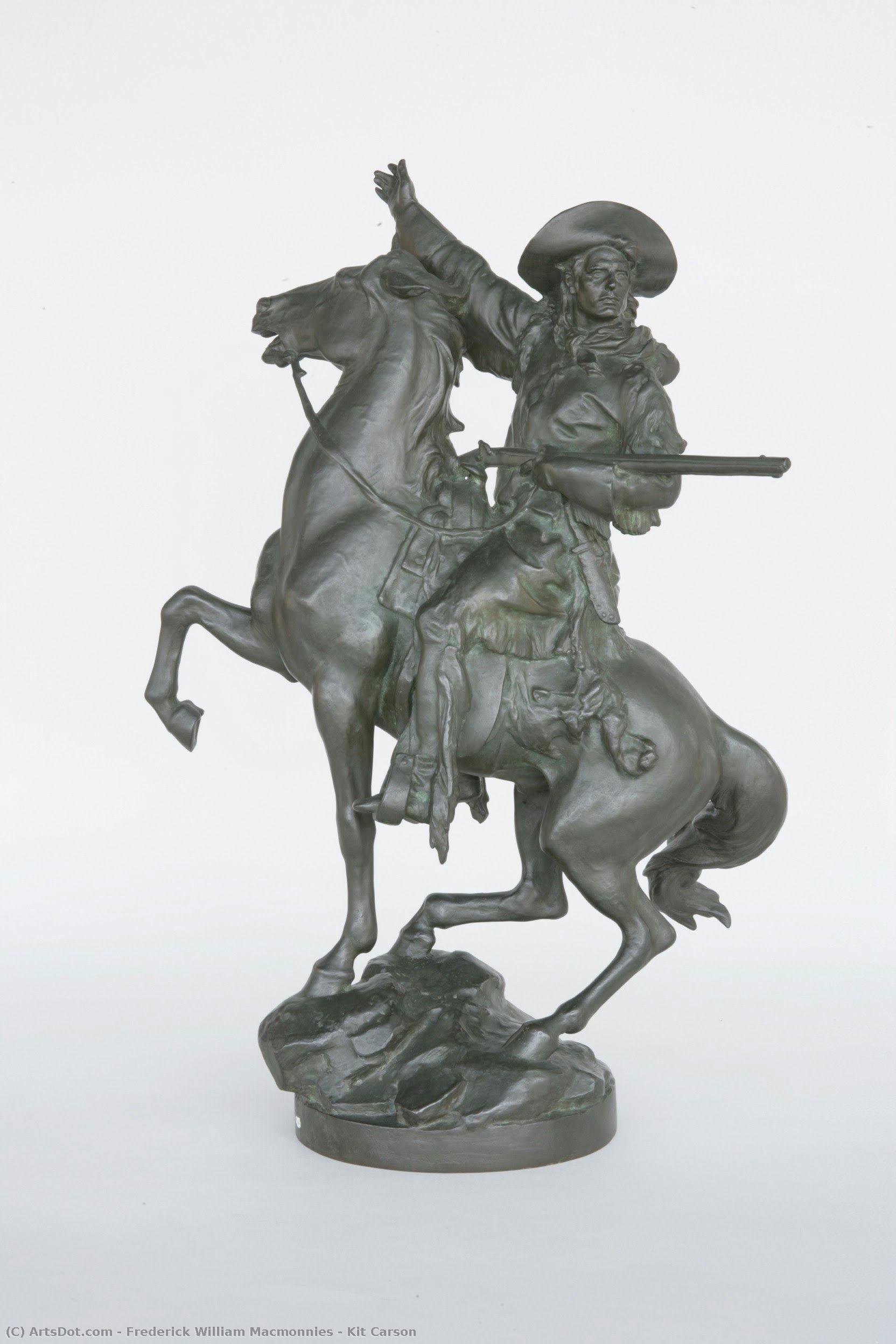
Kit Carson

Explore the Beaux-Arts sculptures of Frederick William MacMonnies – Nathan Hale, Diana & more! American sculptor known for Parisian artistry & iconic public works.

Giclée / Art Print

Museum-quality giclée or canvas print with fast production and flexible finish options.

Standard
custom
CM
INCH

Pick from our preset sizes that match the artwork's original proportions.

width
height

You may enter your own dimensions to fit a specific frame or space. If your selected size does not match the original image's proportions, we will either crop the artwork or extend the image with a mirrored or solid-fill edge. A digital mockup will be sent for your approval before production begins.
Please note that the on-screen preview does not reflect the actual cropping or extension. Only the mockup will accurately show the final composition.
While custom sizes are available, we recommend selecting a dimension from the predefined list to preserve the original proportions.

Worldwide Delivery () in 2 weeks instead of standard 4/5 weeks. (2 July)

why_choose_icon
Free Worldwide Express Shipping
why_choose_icon
High-Quality Linen Canvas
why_choose_icon
Full Shipping Insurance
why_choose_icon
Customs Tax Refund Guarantee
why_choose_icon
True Color Matching Guarantee
why_choose_icon
60-Day Return Policy (Defects Only)
why_choose_icon
100% Money-Back Guarantee
why_choose_icon
Bulk Discount Offer

Total Price

-

reproduction

Kit Carson

Giclée / Art Print

Reproduction Size

-

Total Price

-

Collectible Description

This bronze titled,

Related Artworks


Artist Biography

Frederick William MacMonnies: The Sculptor Who Bridged Tradition and Innovation

Frederick William MacMonnies (1863 – 1937) stands as a pivotal figure in American Beaux-Arts sculpture, embodying the ambition of his era to synthesize classical ideals with modern sensibilities. Born in Brooklyn Heights, New York, he possessed an uncommon blend of artistic talent—a mastery of both sculpture and painting—establishing him as one of the most prolific and celebrated expatriate sculptors of his generation. His career unfolded against a backdrop of burgeoning industrialization and transatlantic cultural exchange, shaping his artistic vision and cementing his place in art history.

Early Influences & Artistic Training

MacMonnies’ formative years were marked by exposure to influential mentors like Augustus Saint-Gaudens, whose studio became a crucible for developing sculptural technique and fostering enduring friendships. Saint-Gaudens' unwavering belief in the transformative power of sculpture propelled MacMonnie’s artistic journey, beginning with an apprenticeship that instilled foundational principles of form and materiality. Supplemented by rigorous study at night academies and the Art Students League, he honed his skills alongside fellow artists destined for prominence—most notably Stanford White, who enlisted Saint-Gaudens' expertise for monumental commissions. This collaborative spirit would characterize much of MacMonnies’ subsequent artistic endeavors.

Parisian Engagement & Artistic Recognition

Driven by a fervent desire to refine his craft and immerse himself in the European artistic landscape, MacMonnie embarked on a transformative voyage to Paris in 1884. There, he enrolled at the École des Beaux-Arts, securing the highest honor awarded to foreign students—a testament to his dedication and burgeoning talent. The Parisian Salon served as a crucial platform for showcasing his work annually, attracting considerable acclaim and establishing him as a respected voice within the artistic community. He mentored promising artists like Janet Scudder and Mary Foote, nurturing the next generation of sculptors while simultaneously cultivating his own distinctive style. Furthermore, he taught at Académie Vitti, disseminating knowledge and inspiring future generations of creatives.

Notable Sculptures & Artistic Style

MacMonnie’s sculptural output is characterized by a remarkable versatility—ranging from monumental public commissions to intimate portraits capturing the essence of human emotion. Among his most enduring achievements are Nathan Hale (1890), commemorating the American Revolutionary War hero and embodying stoicism and patriotism; Diana (circa 1893), a graceful depiction of the Roman goddess reflecting classical beauty and dynamism; and Infant Faun (1894), conveying innocence and pastoral charm. These sculptures exemplify MacMonnie’s masterful command of bronze casting techniques—a medium he embraced wholeheartedly, recognizing its ability to convey both strength and subtlety. Copies of his works are found in museums across America, demonstrating the lasting impact of his artistic vision.

Legacy & Historical Significance

Frederick William MacMonnies' contribution to American sculpture transcends mere aesthetic achievement; he championed accessibility through reproductions, ensuring that his masterpieces reached a wider audience. His influence extended beyond his own lifetime, inspiring subsequent sculptors and shaping the trajectory of Beaux-Arts art in America. He remains an exemplar of artistic ambition coupled with intellectual curiosity—a sculptor who successfully navigated the complexities of his time while forging an indelible mark on the canon of Western art.

Quick Facts

  • Artistic Movement Or Style: Beaux-Arts
  • Artists Or Movements Influenced By This Artist: Neoclassicism
  • Artists Who Influenced This Artist: Augustus Saint-gaudens
  • Date Of Birth: 1863
  • Date Of Death: 1937
  • Full Name: Frederick William MacMonnies
  • Nationality: American
  • Notable Artworks:
    • Diana
    • Nathan Hale
  • Place Of Birth: Brooklyn Heights, Brooklyn
Explore artworks organized by themes, styles, and characteristics.





































