x


Purchase a high-resolution, enhanced digital image, far superior to the online preview.
Each file is meticulously prepared by our in-house specialists using advanced tools and expert manual retouching. We ensure every image has exceptional clarity, precise color accuracy, and fine detail.
The final file is delivered via email within 72 hours, optimized for immediate use in professional, editorial, and print environments. This is the same quality trusted by top-tier design studios, publishers, and galleries.
Download a high-resolution file for personal display, printing, and creative projects. ( Buy Print Buy Hand Made Painting)
When you choose WahooArt.com, you're not just getting an image - you're receiving a professionally enhanced digital artwork, crafted with precision and backed by a satisfaction guarantee. Here's everything that comes with your order, automatically:

Your high-resolution digital image file will be emailed to you within 72 hours of ordering - ready for immediate use.

Your artwork is professionally optimized using advanced AI tools and manual editing, ensuring maximum detail, clarity, and color accuracy.

Accidentally deleted or lost your file? No worries - we'll resend it to you anytime, free of charge.

Enjoy your artwork instantly with zero customs, duties, or delivery fees - digital downloads are always tax-free.

We ensure your digital image reflects the original colors as closely as possible using professional tools and color management.

If you're not satisfied with your digital image, we'll revise it or refund 100% within 60 days - no questions asked.

Not satisfied? Get a full refund within 60 days of receiving your digital file - no questions asked.

Buy 3 images, save 10% - Buy 5, save 15% - Buy 10+, save 20%. Great for creative projects, galleries, and agencies.
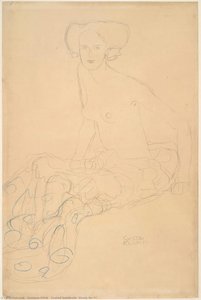
François Auguste René Rodin's "Nude," rendered in charcoal on paper, isn't merely a depiction of the human form; it’s a profound exploration of posture, emotion, and the delicate balance between strength and vulnerability. Dating from an unknown period within Rodin’s prolific career – likely spanning the late 19th century – this drawing offers a rare glimpse into the artist’s process, revealing a figure far removed from the grand, heroic sculptures that would later cement his fame. It's a work born not of monumental commission but of intimate observation and a deep engagement with the subtleties of human expression.
The subject herself is presented in a remarkably relaxed yet subtly tense pose. She’s seated, her body gently curved inward, suggesting both introspection and a quiet reserve. The lines of her spine flow organically, mirroring the gentle curve of her torso – a deliberate choice that emphasizes fluidity and suppleness. Rodin masterfully captures the weight of her form, hinting at underlying musculature without resorting to overt anatomical detail. This restraint is key to the drawing’s power; it invites the viewer to complete the image, filling in the gaps with their own interpretations and emotions.
Rodin’s technique here is characterized by a remarkable sensitivity to texture and tone. The charcoal isn’t applied with harsh, decisive strokes but rather layered and smudged, creating a rich, almost velvety surface. Notice the subtle gradations of grey – from deep shadows that pool around the limbs and torso to lighter washes that define the contours of her face and shoulders. This masterful manipulation of value is crucial to the drawing’s sense of depth and volume. The artist utilizes stumping, a technique involving smudging graphite with a tool, to subtly model the body by blending the contour lines, likely with his finger, while leaving the chemise starkly unrendered.
The choice of paper itself contributes significantly to the artwork’s aesthetic. Its textured surface – heavily emphasized in the photograph – provides a tactile counterpoint to the smooth curves of the figure. The slightly rough quality of the paper grounds the image, preventing it from feeling overly polished or idealized. It speaks to Rodin's preference for working with materials that allowed him to capture the essence of his subject rather than simply replicating its appearance.
To understand “Nude,” we must consider Rodin’s broader artistic trajectory. Initially trained as a decorative stonemason, he quickly moved beyond mere craftsmanship, developing a revolutionary approach to sculpture that prioritized emotional expression and psychological depth. Unlike the idealized forms of classical sculpture, Rodin sought to capture the raw, unfiltered reality of human experience – its joys, sorrows, and vulnerabilities. This drawing exemplifies this shift, moving away from grand narratives towards intimate studies of individual figures.
It’s believed that these preparatory drawings served multiple purposes for Rodin: they acted as records of his sculptures, assisting printmakers in creating accurate illustrations; they functioned as personal practice pieces, allowing him to refine his understanding of form and gesture; and, perhaps most importantly, they provided a space for him to explore the emotional complexities inherent in depicting the human body. The fact that this particular drawing depicts a feminine nude suggests an exploration of themes related to femininity, sensuality, and introspection – subjects frequently explored by Rodin throughout his career.
Beyond its technical merits, “Nude” resonates with profound symbolic meaning. The pose itself—a woman leaning inward, a gesture of both vulnerability and self-awareness—evokes feelings of quiet contemplation and perhaps even melancholy. The lack of overt narrative or symbolism allows the viewer to project their own emotions onto the figure, creating a deeply personal connection. It’s not simply a representation of a body; it's an invitation to consider the complexities of human experience – the beauty, the fragility, and the enduring search for meaning.
Rodin’s “Nude” stands as a testament to his artistic genius—a poignant study in form, emotion, and the enduring power of charcoal. It offers a rare glimpse into the creative process of one of art history's most influential sculptors, inviting us to contemplate the beauty and vulnerability inherent within the human condition.

François Auguste René Rodin, a name synonymous with modern sculpture, emerged from 19th-century France as a revolutionary force. Born in Paris on November 12, 1840, to modest beginnings, young Rodin’s path wasn't immediately destined for artistic greatness. He initially struggled to gain acceptance into the prestigious École des Beaux-Arts, facing rejection three times before ultimately finding his footing through practical training as a decorative stonemason. This early experience, however, proved invaluable, honing his technical skills and fostering an intimate understanding of form and material. It was a period of quiet apprenticeship, a necessary prelude to the seismic shifts he would later introduce into the world of sculpture. The seeds of his future innovation were sown not in academic halls but in the tangible reality of stone and clay. A profound personal loss – the death of his sister Marie – deeply affected him, leading to a brief contemplation of religious life before fully committing himself to art. This emotional depth would become a defining characteristic of his work, imbuing it with a raw, human quality rarely seen before.
Rodin’s artistic journey was marked by a deliberate departure from the prevailing academic standards of his time. While trained in classical techniques, he rejected the idealized forms and narrative rigidity that dominated sculpture. He sought instead to capture the fleeting nuances of human emotion, the weight of thought, and the complexities of the inner life. His early works, such as *The Age of Bronze* (1877), initially sparked controversy for their realism and lack of mythological or allegorical subject matter. Critics found his figures too naturalistic, too devoid of the polished perfection expected of sculpture. However, Rodin persevered, driven by an unwavering belief in his artistic vision. He began to explore fragmented forms, rough surfaces, and dynamic compositions that conveyed a sense of movement and psychological intensity. This innovative approach challenged conventional notions of beauty and paved the way for a new era in sculptural expression. His ability to model complex, turbulent surfaces in clay was unparalleled, allowing him to capture the play of light and shadow with remarkable sensitivity.
Rodin’s legacy is cemented by a series of iconic sculptures that continue to resonate with audiences worldwide. *The Thinker* (1880-1882), originally conceived as part of *The Gates of Hell*, became an emblem of philosophical contemplation, its powerful form embodying the weight of human thought and existential questioning. *The Kiss* (1886-1898), a celebration of passionate love, is renowned for its sensual beauty and emotional intimacy. And *The Burghers of Calais* (1884-1895), a monumental tribute to courage and sacrifice, stands as a testament to Rodin’s ability to convey profound human drama through sculptural form. These works weren't merely representations of physical bodies; they were explorations of the human condition, imbued with psychological depth and emotional resonance. He didn’t shy away from portraying imperfection or suffering, recognizing that these qualities are integral to the human experience. His sculptures often featured unfinished surfaces, deliberately leaving traces of the artist’s hand as a testament to the creative process itself.
By the turn of the 20th century, Rodin had achieved international acclaim, becoming arguably the most celebrated sculptor of his time. His work profoundly influenced generations of artists, inspiring them to break free from traditional constraints and explore new avenues of artistic expression. He is widely considered a pivotal figure in the transition from 19th-century realism to modern sculpture. His emphasis on emotional intensity, psychological depth, and innovative use of form laid the groundwork for movements such as Expressionism and Cubism. Today, Rodin’s sculptures can be found in museums and collections around the globe, most notably at the Musée Rodin in Paris, a dedicated space showcasing his life's work. His influence extends beyond sculpture, impacting painting, literature, and even film.
Rodin’s legacy is not merely one of artistic innovation; it's a testament to the power of art to connect us to our shared humanity. He dared to explore the depths of human emotion and experience, leaving behind a body of work that continues to inspire, challenge, and move audiences today. His sculptures are not simply objects to be admired; they are windows into the soul, inviting us to contemplate the complexities of life, love, loss, and everything in between.

1840 - 1917 , France


Stay updated with the latest art news, exclusive offers, and decoration ideas.
Tell us about your project and our art experts will provide you with 3 personalized art suggestions.
Let Us Curate 3 Options Just for You - Free!

 Preview
 Send
Send Share
Share
 Details

 Download
 Similars
 X-Ray
X-Ray Diaporama


 Read More