OilWallArtEarly Renaissance
 1440Renaissance
 28.0 x 33.0 cm
 Pinacoteca
Museum-quality giclée or canvas print with fast production and flexible finish options. ( Buy Hand Made Painting Switch to Digital Image)





























Pick from our preset sizes that match the artwork's original proportions.

You may enter your own dimensions to fit a specific frame or space. If your selected size does not match the original image's proportions, we will either crop the artwork or extend the image with a mirrored or solid-fill edge. A digital mockup will be sent for your approval before production begins.
Please note that the on-screen preview does not reflect the actual cropping or extension. Only the mockup will accurately show the final composition.
While custom sizes are available, we recommend selecting a dimension from the predefined list to preserve the original proportions.
Worldwide Delivery () in 2 weeks instead of standard 4/5 weeks. (12 October)
St Francis Receiving the Stigmata
Reproduction Size
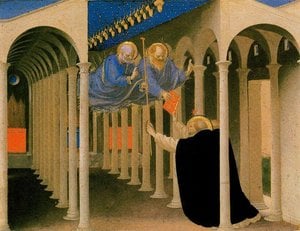
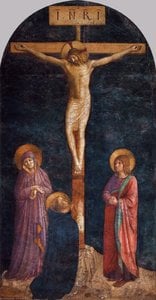
Fra Angelico’s “St Francis Receiving the Stigmata,” painted in 1440, is more than just a depiction of a pivotal religious event; it's a profound meditation on humility, devotion, and the transformative power of faith. Housed within the Pinacoteca in Vatican City, this tempera-on-panel artwork offers a rare glimpse into the soul of St. Francis of Assisi as he experiences the sacred wounds that marked his life’s journey. The painting transcends mere representation, radiating an atmosphere of serene spirituality and capturing a moment of intense grace—a testament to Fra Angelico's extraordinary skill in conveying both physical detail and profound emotional depth.
The scene unfolds with remarkable intimacy. St. Francis, rendered in delicate hues of ochre and brown, kneels before the unseen presence of God. His posture is one of complete surrender, his hands raised as if to receive a divine blessing. The subtle musculature of his body suggests both vulnerability and strength—a representation of the saint’s earthly struggles juxtaposed with his spiritual elevation. Two figures flank him: one on the left, bathed in a softer light, and another on the right, contributing to the composition's balanced yet dynamic arrangement. These secondary figures, though less detailed, serve as silent witnesses to this momentous event, grounding the scene within a broader narrative of faith.
The background landscape—a rugged, mountainous vista under a dramatic sky filled with swirling clouds—is not merely decorative; it’s imbued with symbolic weight. The mountains represent the challenges and trials that St. Francis faced during his life, while the celestial clouds evoke the divine intervention that ultimately led to his spiritual enlightenment. Two birds, one near the top left corner and another towards the bottom right side, add a touch of natural beauty and perhaps symbolize the soul’s ascent toward heaven. The use of color is masterful—the rich blues and purples of the sky contrast beautifully with the earthy tones of St. Francis' robes, creating a visual harmony that enhances the painting’s spiritual impact.
Fra Angelico’s choice of tempera on panel is crucial to understanding the artwork’s luminous quality and remarkable detail. Tempera paint—made from pigments mixed with egg yolk—allowed for slow drying times, enabling Fra Angelico to build up layers of color with incredible precision. This technique resulted in a surface that retains its vibrancy over centuries, as evidenced by the painting's remarkably preserved colors. The meticulous rendering of St. Francis’ face, particularly his expression of serene acceptance and profound humility, is a testament to the artist’s technical skill and his deep understanding of human emotion.
Furthermore, the panel itself—a wooden support for the tempera paint—contributes to the artwork's overall effect. The slightly textured surface of the wood provides a subtle contrast to the smooth application of the paint, adding depth and visual interest. The artist’s mastery of perspective, though subtly employed, creates a sense of spatial realism that draws the viewer into the scene, inviting them to contemplate St. Francis’ experience alongside him.
“St Francis Receiving the Stigmata” is not an isolated work; it exists within a rich artistic tradition of depicting this significant event. El Greco (Doménikos Theotokopoulos), known for his dramatic and expressive style, created his own version of the scene, showcasing a different interpretation of the moment’s intensity. Similarly, Master Of San Francesco Bardi offered another compelling rendition, demonstrating the enduring fascination with St. Francis' story across generations of artists. These variations highlight how Fra Angelico’s painting served as an inspiration for subsequent artists, solidifying its place within the broader history of religious art.
Interestingly, Giotto’s earlier depiction of the same event—painted around 1295–1300—provides a valuable point of comparison. While Giotto's work is characterized by a more stylized and less naturalistic approach, Fra Angelico builds upon his foundation, refining the composition and imbuing it with a heightened sense of spiritual emotion. The influence of Lorenzo Monaco, a prominent Florentine painter of the time, can also be discerned in Fra Angelico’s elegant lines and decorative patterns.
WahooArt.com is proud to offer meticulously crafted oil painting reproductions of “St Francis Receiving the Stigmata,” allowing art enthusiasts to experience the beauty and spiritual depth of this masterpiece firsthand. Our skilled artisans painstakingly recreate Fra Angelico’s original techniques, using high-quality pigments and archival materials to ensure that each reproduction faithfully captures the artwork's luminous colors and exquisite detail. Whether you are a seasoned collector or simply seeking to adorn your home with a piece of timeless art, our reproductions provide an authentic and accessible way to connect with this iconic work of religious devotion.
Explore our selection of Fra Angelico reproductions today: Fra Angelico: St Francis Receiving the Stigmata, Fra Angelico: Saint Francis Receives the Stigmata, El Greco (Doménikos Theotokopoulos): St Francis Receiving the Stigmata, and Master Of San Francesco Bardi: St Francis Receiving the Stigmata.
Works similar to "St Francis Receiving the Stigmata" are listed on the artwork's Similars page.
Fra Angelico created "St Francis Receiving the Stigmata" within the Early Renaissance movement.
"St Francis Receiving the Stigmata" was created in 1440 using the oil technique. Material and date describe how and when the original was made.
The landscape format of "St Francis Receiving the Stigmata" by Fra Angelico is recommended for a living room. Format and space together guide the placement of a reproduction.
"St Francis Receiving the Stigmata" by Fra Angelico belongs to the Early Renaissance movement, within the Renaissance period. Together they give the work its place in art history.
"St Francis Receiving the Stigmata" is a work of Early Renaissance. The movement indicates the artistic tradition the work is part of.
The perceived brightness of "St Francis Receiving the Stigmata" by Fra Angelico is deep_shadow. It can be matched to the light of the intended space.
The X-Ray view of "St Francis Receiving the Stigmata" by Fra Angelico is on the artwork's X-Ray page: an interactive examination of the image through eleven optical layers.


1395 - 1455 , Italy

Elevate hospitality interiors with our expert guide on mastering art groupings and multi-panel displays. Discover professional techniques for curating luxurious, layered wall installations that define high-end hotel aesthetics through texture, scale, and bespoke fine art.

Embark on a profound journey through the ethereal masterpieces of Fra Angelico. Discover the spiritual depth, divine light, and technical brilliance of the 'Angelic Painter' in this expert exploration of Early Renaissance devotion and sacred art history.

Discover the enduring allure of oil on panel painting. Explore the technical mastery, historical significance, and luminous depth that define this prestigious medium, from Renaissance masters to modern fine art reproductions for discerning collectors.

Discover the elegance of custom multi-panel group set art at WahooArt.com. From bespoke layouts to hand-painted oil masterpieces, our expert guide helps elite collectors curate breathtaking, large-scale installations tailored for sophisticated interiors.
Unveil the sacred secrets of egg tempera on panel. Journey through the technical mastery and profound artistry of the Old Masters, from Giotto to Botticelli. An essential educational guide for Renaissance art enthusiasts seeking deep historical insight and expertise.

 Preview
 Send
Send Share
Share
 Details
 Guide
Guide

 Download
 Similars
 X-Ray
X-Ray Diaporama
 Stats
Stats Read More









 Glass option is only available in size under 110 CM


![Legend Of St Francis - [23] - St Francis Mourned By St Clare — Giotto Di Bondone, Gothic](/media/artworks/images-thumb/17/1c/171c284c41dc3ef8bca83e51c1e1e531.jpg)