Oil On CanvasWallArtRomanticism
 185219th Century
 33.0 x 25.0 cm
Museum-quality giclée or canvas print with fast production and flexible finish options. ( Buy Hand Made Painting Switch to Digital Image)





























Pick from our preset sizes that match the artwork's original proportions.

Type the width and the height you need, to fit your frame or your wall. A print can only be cut, never made bigger than the picture, so a size with a different shape loses a part of the image. We send you a digital mockup to approve before we print anything. The picture shown on this page does not show the real cut — only the mockup does.
Worldwide Delivery () in 2 weeks instead of standard 4/5 weeks. (26 October)
andromeda - -
Reproduction Size
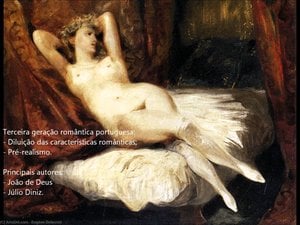
In the vast tapestry of the Romantic era, few works capture the raw, pulsating essence of human vulnerability quite like Eugène Delacroix’s Andromeda. Completed in 1852, this oil on canvas is far more than a mere mythological illustration; it is a profound exploration of emotion, individualism, and the sublime power of nature. As one gazes upon this masterpiece, currently held in the esteemed Museum of Fine Arts, Houston, the viewer is immediately transported to a desolate, windswept landscape where the boundaries between physical suffering and celestial longing begin to blur. Delacroix, a titan of the French Romantic school, rejects the cold, calculated precision of Neoclassicism in favor of a more visceral experience, inviting us to feel the very heartbeat of the tragedy unfolding before our eyes.
The subject matter draws deeply from the wellspring of Greek mythology, recounting the harrowing plight of Andromeda, daughter of King Cepheus and Queen Cassiopeia. Chained to a jagged rock as a sacrificial offering to appease the sea god Poseidon, Andromeda stands as a symbol of profound isolation. Yet, within this moment of extreme peril, Delaculate finds a breathtaking beauty. The composition focuses on her nude form, emphasizing a delicate physical fragility that contrasts sharply against the imposing, rugged textures of the rocky shore. It is a narrative of tension—the stillness of the victim set against the implied turbulence of the approaching storm and the divine wrath of the sea.
Technically, Andromeda serves as a masterclass in the signature Delacroix style. The artist utilizes a vibrant, emotive palette where rich reds, deep blues, and lush greens dance across the canvas to create an atmosphere of dynamic movement. Rather than relying on rigid outlines, Delacroix employs loose, expressive brushstrokes that capture the flickering interplay of light and shadow. This use of chiaroscuro—the dramatic contrast between brilliance and obscurity—serves to heighten the emotional stakes, drawing the eye toward the luminous glow of Andromeda’s skin, which seems to radiate a warm, ethereal light amidst the surrounding gloom.
For the discerning collector or interior designer, this piece offers an unparalleled depth of texture and color. The way the light catches the undulating surfaces of the canvas creates a sense of life that is rare in static portraiture. The painting does not merely sit upon the wall; it breathes. The masterful blending of colors ensures that the artwork possesses a multidimensional quality, making it a commanding focal point for any sophisticated space. Whether placed in a gallery-style setting or a curated private study, the work’s ability to evoke both grace and strength provides a continuous source of visual and emotional inspiration.
To possess a reproduction of this caliber is to hold a fragment of art history's most transformative period. Delacroix’s work was revolutionary because it prioritized the feeling of the subject over the mere accuracy of its form. In Andromeda, we see the culmination of his quest to capture the sublime—that overwhelming sense of awe and terror that comes from witnessing nature's grandeur. The painting remains a poignant reminder of the human struggle against fate, rendered with a sensuality and strength that transcends the centuries.
For those seeking to infuse their surroundings with a sense of drama, history, and profound beauty, this depiction of Andromeda stands as an eternal icon. It is a work that invites contemplation, offering a window into a world where myth and emotion are inextricably linked, and where every brushstroke tells a story of survival and splendor.
The medium of "andromeda - -" by Eugène Delacroix is oil on canvas, and its recorded dimensions are 33 x 25 cm.
For "andromeda - -", the recommended print setup is a small size and a portrait orientation.
Within the Romanticism movement, "andromeda - -" has a recognized popularity level.

Ferdinand Victor Eugène Delacroix, born in Charenton-Saint-Maurice near Paris in 1798, was more than just a painter; he was the embodiment of Romanticism’s fervent spirit. Emerging as a leading figure in French art during a period of societal upheaval and shifting aesthetic ideals, Delacroix rejected the rigid formalism of Neoclassicism, instead embracing drama, emotion, and a vibrant palette that would forever alter the course of painting. His life, though marked by personal tragedy, became inextricably linked with his artistic vision—a quest to capture the sublime, explore exotic realms, and express the raw power of human experience.
Delacroix’s early years were shaped by a complex family history and a somewhat fragile health. Orphaned at sixteen, he found guidance in the influential figure of Charles-Maurice de Talleyrand-Périgord, who many believed to be his true father. This connection provided him with crucial patronage and access to the Parisian art world. He initially studied under Pierre-Narcisse Guérin, a respected academic painter, but it was the work of Théodore Géricault—particularly his monumental *The Raft of the Medusa*—that truly ignited Delacroix’s artistic passion. He even posed for Géricault, absorbing the elder artist's commitment to realism and emotional intensity.
Delacroix burst onto the Salon scene in 1822 with *Dante and Virgil in Hell*, a work that immediately signaled his departure from established norms. Inspired by Dante Alighieri’s *Inferno*, the painting showcased a bold use of color, dynamic composition, and a palpable sense of psychological turmoil. This marked the beginning of a career dedicated to exploring themes of passion, conflict, and the human condition. While initially met with mixed reactions—some critics lauded his originality, others dismissed his work as chaotic and lacking in classical refinement—Delacroix persevered, developing a distinctive style characterized by loose brushwork, rich textures, and an emphasis on movement.
His fascination extended beyond historical and literary subjects. A pivotal journey to North Africa in 1832 profoundly impacted his artistic trajectory. Immersing himself in the vibrant culture of Morocco, Delacroix was captivated by the exotic landscapes, the nomadic lifestyle of the Arab tribes, and the intensity of their traditions. This experience infused his paintings with a newfound sense of color, light, and energy, as seen in works like *Arab Horses Fighting* and numerous studies of Algerian life. He wasn’t merely documenting these scenes; he was seeking to understand the underlying spirit of a culture vastly different from his own.
Delacroix's mastery of color is arguably his most enduring legacy. He drew inspiration from the Baroque exuberance of Rubens and the Venetian Renaissance masters, prioritizing chromatic intensity over precise draftsmanship. He understood that color could evoke emotion, create atmosphere, and convey meaning in ways that line alone could not. This innovative approach profoundly influenced subsequent generations of artists, paving the way for Impressionism and Post-Impressionism.
Beyond his aesthetic innovations, Delacroix was a politically engaged artist. His most iconic work, *Liberty Leading the People* (1830), is not simply a depiction of the July Revolution; it’s a powerful allegory for freedom and rebellion. The painting's dynamic composition, allegorical figures, and raw emotional power cemented its place in art history as a symbol of French national identity and revolutionary ideals. It wasn’t just about documenting an event; it was about capturing the spirit of a nation fighting for its liberty.
Delacroix continued to paint prolifically throughout his life, exploring diverse themes ranging from Shakespearean tragedies to biblical narratives. He also made significant contributions as a lithographer, illustrating works by literary giants like William Scott and Johann Wolfgang von Goethe. His studio became a hub for artistic exchange, attracting aspiring painters who were drawn to his unconventional approach.
By the time of his death in 1863, Delacroix had firmly established himself as one of France’s greatest artists. His influence extended far beyond the Romantic movement, shaping the development of modern painting and inspiring countless artists with his bold use of color, dynamic compositions, and unwavering commitment to emotional expression. He remains a pivotal figure in art history—a testament to the power of individual vision and the enduring allure of the sublime.

1798 - 1863 , France

Experience the raw emotion and dramatic landscapes of the Romanticism movement. From Delacroix to Friedrich, explore 10 timeless masterpieces that define an era. Find museum-quality reproductions to inspire your decor. Discover all masterpieces on WahooArt.com.

Immerse yourself in the vibrant world of Paul Gauguin. Explore 25 iconic Post-Impressionist masterpieces, from Tahitian landscapes to bold symbolic works. Find inspiration for museum-quality art reproductions and decor. Discover all masterpieces on WahooArt.com.

Explore the profound tension between Neoclassicism's rational order and Romanticism's emotional depth. An expert journey through the masters of art history, from David to Delacroix, perfect for collectors and enthusiasts seeking a deeper understanding of artistic evolution.

Journey through legend with our curated selection of 10 iconic mythological masterpieces. From Renaissance classics to epic tales, explore the stories and techniques behind these timeless works. Find museum-quality art reproductions for your decor. Discover all masterpieces on WahooArt.com

 Preview
 Send
Send Share
Share
 Details
 Guide
Guide

 Download
 Similars
 X-Ray
X-Ray Diaporama
 Stats
Stats Read More









 Glass option is only available in size under 110 CM