Preview AR preview Switch to Print Switch to Digital Image Send
Details Guide Add to favorites Download Similars X-Ray Diaporama Stats

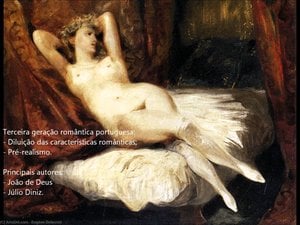
Andromeda

Explore the vibrant world of Eugène Delacroix, a leading French Romantic artist! Discover his dramatic scenes, exotic themes & masterful use of color. See iconic works like 'Liberty Leading the People'. #Delacroix #Romanticism #FrenchArt

Hand Made Oil Reproduction

Hand-painted oil on canvas in your size and frame, made to order by our artists. ( Switch to Print Switch to Digital Image)

Corner sample of the P118B picture frame: moulded polystyrene, 5 cm wide and 3 cm thick
P118B $10
Corner sample of the P118H picture frame: moulded polystyrene, 5 cm wide and 3 cm thick
P118H $10
Corner sample of the P118W picture frame: moulded polystyrene, 5 cm wide and 3 cm thick
P118W $10
Corner sample of the P438Z picture frame: moulded polystyrene, 5.5 cm wide and 3.5 cm thick
P438Z $10
Corner sample of the P508JH picture frame: moulded polystyrene, 7 cm wide and 3.5 cm thick
P508JH $12
Corner sample of the P508YH picture frame: moulded polystyrene, 7 cm wide and 3.5 cm thick
P508YH $12
Corner sample of the P805H picture frame: moulded polystyrene, 5 cm wide and 3.5 cm thick
P805H $10
Corner sample of the P805Z picture frame: moulded polystyrene, 5 cm wide and 3.5 cm thick
P805Z $10
Corner sample of the P919BZ picture frame: moulded polystyrene, 7 cm wide and 3.5 cm thick
P919BZ $10
Corner sample of the P919G picture frame: moulded polystyrene, 7 cm wide and 3.5 cm thick
P919G $10
Corner sample of the P919XJ picture frame: moulded polystyrene, 7 cm wide and 3.5 cm thick
P919XJ $10
Corner sample of the P959ZH picture frame: moulded polystyrene, 5 cm wide and 3 cm thick
P959ZH $10
Corner sample of the P968JZ picture frame: moulded polystyrene, 6 cm wide and 4 cm thick
P968JZ $12
Corner sample of the W106C picture frame: solid wood, 5 cm wide and 3 cm thick
W106C $8
Corner sample of the W218G picture frame: solid wood, 5 cm wide and 3 cm thick
W218G $10
Corner sample of the W218JH picture frame: solid wood, 5 cm wide and 3 cm thick
W218JH $8
Corner sample of the W218Y picture frame: solid wood, 5 cm wide and 3 cm thick
W218Y $10
Corner sample of the W307PJ picture frame: solid wood, 6 cm wide and 3 cm thick
W307PJ $10
Corner sample of the W316G picture frame: solid wood, 6 cm wide and 3 cm thick
W316G $10
Corner sample of the W316PJ picture frame: solid wood, 6 cm wide and 3 cm thick
W316PJ $8
Corner sample of the W316Y picture frame: solid wood, 6 cm wide and 3 cm thick
W316Y $10
Corner sample of the W398PJ picture frame: solid wood, 5 cm wide and 3 cm thick
W398PJ $8
Corner sample of the W4111J picture frame: solid wood, 6.5 cm wide and 3.5 cm thick
W4111J $10
Corner sample of the W500HY picture frame: solid wood, 7 cm wide and 5 cm thick
W500HY $15
Corner sample of the W500JH picture frame: solid wood, 7 cm wide and 5 cm thick
W500JH $15
Corner sample of the W692G picture frame: solid wood, 8 cm wide and 4 cm thick
W692G $12
Corner sample of the W849H picture frame: solid wood, 5 cm wide and 3 cm thick
W849H $8
Corner sample of the W940BG picture frame: solid wood, 7.5 cm wide and 4.5 cm thick
W940BG $15
Corner sample of the W953PJ picture frame: solid wood, 6 cm wide and 3.5 cm thick
W953PJ $8

Standard
custom
CM
INCH

Pick from our preset sizes that match the artwork's original proportions.

width
height

Type the width and the height you need, to fit your frame or your wall. This is hand-painted, so for a size with a different shape the artist can paint a bit more around the picture, or cut a bit — you choose. We send you a digital mockup to approve before the painting starts. The picture shown on this page does not show the real result — only the mockup does.

Examples of what can be changed: Replace face with customer photo; Add pet (e.g., replace cat with dog); Include hidden message in background; Change background landscape or elements.
After order, WahooArt.com team will email client for instructions and provide a mockup preview

Worldwide Delivery () in 3/4 weeks instead of standard 5 weeks. (25 October). No compromise on quality.

Free Worldwide Express Shipping
High-Quality Linen Canvas
Full Shipping Insurance
Customs Tax Refund Guarantee
True Color Matching Guarantee
100-Day Return Policy (Defects Only)
100% Money-Back Guarantee
Bulk Discount Offer

Total Price

$ 272

Andromeda

Reproduction Medium

Reproduction Size

-

Total Price

$ 272

Quick Facts

  • Artistic style: Dramatic lighting, emotion
  • Subject or theme: Mythological tale
  • Medium: Oil on canvas
  • Artist: Eugène Delacroix
  • Notable elements: Nude figure, tranquility
  • Year: 1852

Art Quiz

There is only one correct answer for each question.

Question 1:
What artistic movement is Eugène Delacroix’s ‘Andromeda’ primarily associated with?
Question 2:
The story of Andromeda depicted in this painting originates from which Greek mythology?
Question 3:
What material is primarily used in the creation of ‘Andromeda’?
Question 4:
Where can one currently view Eugène Delacroix's 'Andromeda'?
Question 5:
Which element is most emphasized in Delacroix’s depiction of Andromeda to convey a sense of introspection?

Delacroix’s “Andromeda”: A Romantic Tapestry of Myth and Emotion

Eugène Delacroix's "Andromeda," painted in 1852, is more than just a depiction of a classical myth; it’s a profound exploration of human vulnerability, celestial longing, and the raw power of Romantic emotion. This oil on canvas, measuring a modest 33 x 25 cm, currently residing within the Museum of Fine Arts, Houston, Texas, immediately captivates with its dramatic lighting and vibrant color palette – hallmarks of Delacroix’s signature style. The painting transports us to a desolate, windswept landscape, dominated by towering mountains that seem to press down upon the central figure, instantly establishing a sense of isolation and impending doom. Delacroix masterfully employs chiaroscuro—the dramatic contrast between light and shadow—to sculpt Andromeda's form, emphasizing her physical vulnerability against the vastness of the heavens. The loose brushstrokes, characteristic of Romanticism, create an almost turbulent surface, mirroring the emotional turmoil within the subject.

The Mythological Narrative: A Tale of Fate and Despair

The story of Andromeda originates from ancient Greek mythology, a poignant tale of divine punishment and heroic intervention. She was chained to a rock as a sacrifice to the monstrous sea serpent Cetus, destined to be devoured unless rescued by Perseus. Delacroix doesn’t simply illustrate this narrative; he imbues it with an intensely personal resonance. Andromeda is not merely a passive victim; she possesses a quiet dignity and a contemplative gaze that suggests resilience rather than despair. Her hands are gracefully positioned behind her back, a gesture of both restraint and a subtle defiance against her fate. The upward tilt of her head, directed towards the unseen stars, speaks to an enduring hope—a yearning for salvation or perhaps simply a connection with something beyond her earthly predicament. The artist deliberately avoids depicting the rescue by Perseus, choosing instead to focus on Andromeda’s internal state and her relationship with the natural world.

Romanticism in Color and Composition: A Symphony of Feeling

“Andromeda” is a quintessential example of Romantic art—a movement that prioritized emotion, imagination, and individualism over classical restraint. Delacroix's use of color is particularly striking. He employs rich, saturated hues – deep blues and purples for the stormy sky, earthy browns and ochres for the rocks – to create a sense of drama and intensity. The light, seemingly emanating from an unseen source, washes over Andromeda’s body, highlighting her form while simultaneously emphasizing her isolation. The composition itself is carefully constructed to draw the viewer into the scene. The diagonal lines created by the mountains and the rocky terrain lead the eye towards Andromeda, creating a sense of movement and drawing us into her world. Furthermore, Delacroix's decision to place her in such a desolate landscape underscores the Romantic fascination with the sublime—the awe-inspiring power and beauty of nature that simultaneously evokes both terror and wonder.

Symbolism and Emotional Resonance: A Portrait of Human Experience

Beyond its mythological subject matter, “Andromeda” operates on a deeper symbolic level. The chained figure represents not only Andromeda’s physical imprisonment but also the broader human condition—the feeling of being trapped by circumstance, fate, or personal struggles. The vastness of the sky and the turbulent landscape serve as metaphors for the uncertainties and challenges of life. Yet, despite her predicament, Andromeda retains a sense of inner strength and serenity. Her gaze suggests an acceptance of her fate, a quiet contemplation of her situation, and perhaps even a glimmer of hope. The painting’s enduring appeal lies in its ability to tap into universal human emotions—longing, vulnerability, resilience, and the search for meaning in a seemingly indifferent universe. It is a testament to Delacroix's skill as an artist and his profound understanding of the human heart.

For more information on Eugène Delacroix and his works, visit /art/list/?Filter=eugène+delacroix,eugène,delacroix.

To explore other paintings by the artist, including Perseus and Andromeda, see /art/list/?Filter=8YDM43-Eugene-Delacroix-Perseus-and-Andromeda.

The Musée Eugène Delacroix in Paris is also a must-visit destination for art enthusiasts, offering a unique glimpse into the life and work of this renowned artist: /art/list/?Filter=A@D3CET9-Discover-the-Musee-Eugene-Delacroix-a-Hidden-Gem-in-Paris.

Questions & Answers

What atmosphere does "Andromeda" have?

"Andromeda" has a romantic atmosphere.

Can I see an X-ray view of "Andromeda" by Eugène Delacroix?

"Andromeda" can be examined layer by layer on the artwork's X-Ray page, a viewer inspired by a conservator's light bench with eleven optical readings of the image.

Is there a slideshow for "Andromeda" by Eugène Delacroix?

The diaporama of "Andromeda" can be watched on the artwork's Diaporama page.


Artist Biography

A Revolutionary Brush: The Life and Legacy of Eugène Delacroix

Ferdinand Victor Eugène Delacroix, born in Charenton-Saint-Maurice near Paris in 1798, was more than just a painter; he was the embodiment of Romanticism’s fervent spirit. Emerging as a leading figure in French art during a period of societal upheaval and shifting aesthetic ideals, Delacroix rejected the rigid formalism of Neoclassicism, instead embracing drama, emotion, and a vibrant palette that would forever alter the course of painting. His life, though marked by personal tragedy, became inextricably linked with his artistic vision—a quest to capture the sublime, explore exotic realms, and express the raw power of human experience.

Delacroix’s early years were shaped by a complex family history and a somewhat fragile health. Orphaned at sixteen, he found guidance in the influential figure of Charles-Maurice de Talleyrand-Périgord, who many believed to be his true father. This connection provided him with crucial patronage and access to the Parisian art world. He initially studied under Pierre-Narcisse Guérin, a respected academic painter, but it was the work of Théodore Géricault—particularly his monumental *The Raft of the Medusa*—that truly ignited Delacroix’s artistic passion. He even posed for Géricault, absorbing the elder artist's commitment to realism and emotional intensity.

From Historical Scenes to Exotic Visions

Delacroix burst onto the Salon scene in 1822 with *Dante and Virgil in Hell*, a work that immediately signaled his departure from established norms. Inspired by Dante Alighieri’s *Inferno*, the painting showcased a bold use of color, dynamic composition, and a palpable sense of psychological turmoil. This marked the beginning of a career dedicated to exploring themes of passion, conflict, and the human condition. While initially met with mixed reactions—some critics lauded his originality, others dismissed his work as chaotic and lacking in classical refinement—Delacroix persevered, developing a distinctive style characterized by loose brushwork, rich textures, and an emphasis on movement.

His fascination extended beyond historical and literary subjects. A pivotal journey to North Africa in 1832 profoundly impacted his artistic trajectory. Immersing himself in the vibrant culture of Morocco, Delacroix was captivated by the exotic landscapes, the nomadic lifestyle of the Arab tribes, and the intensity of their traditions. This experience infused his paintings with a newfound sense of color, light, and energy, as seen in works like *Arab Horses Fighting* and numerous studies of Algerian life. He wasn’t merely documenting these scenes; he was seeking to understand the underlying spirit of a culture vastly different from his own.

The Power of Color and Political Engagement

Delacroix's mastery of color is arguably his most enduring legacy. He drew inspiration from the Baroque exuberance of Rubens and the Venetian Renaissance masters, prioritizing chromatic intensity over precise draftsmanship. He understood that color could evoke emotion, create atmosphere, and convey meaning in ways that line alone could not. This innovative approach profoundly influenced subsequent generations of artists, paving the way for Impressionism and Post-Impressionism.

Beyond his aesthetic innovations, Delacroix was a politically engaged artist. His most iconic work, *Liberty Leading the People* (1830), is not simply a depiction of the July Revolution; it’s a powerful allegory for freedom and rebellion. The painting's dynamic composition, allegorical figures, and raw emotional power cemented its place in art history as a symbol of French national identity and revolutionary ideals. It wasn’t just about documenting an event; it was about capturing the spirit of a nation fighting for its liberty.

A Lasting Influence

Delacroix continued to paint prolifically throughout his life, exploring diverse themes ranging from Shakespearean tragedies to biblical narratives. He also made significant contributions as a lithographer, illustrating works by literary giants like William Scott and Johann Wolfgang von Goethe. His studio became a hub for artistic exchange, attracting aspiring painters who were drawn to his unconventional approach.

By the time of his death in 1863, Delacroix had firmly established himself as one of France’s greatest artists. His influence extended far beyond the Romantic movement, shaping the development of modern painting and inspiring countless artists with his bold use of color, dynamic compositions, and unwavering commitment to emotional expression. He remains a pivotal figure in art history—a testament to the power of individual vision and the enduring allure of the sublime.

Eugène Delacroix

Eugène Delacroix

1798 - 1863 , France

Quick Facts

  • Full Name: Eugène Delacroix
  • Nationality: French
  • Date Of Birth: 1798
  • Date Of Death: 1863
  • Place Of Birth: Chantonnay, France
  • Notable Artworks:
    • Liberty Leading the People
    • The Death of Sardanapalus
    • Arab Horses Fighting
  • Artistic Movement Or Style: Romanticism
  • Artists Who Influenced This Artist:
    • Rubens
    • Venetian Renaissance painters
  • Artists Or Movements Influenced By This Artist:
    • Impressionism
    • Post-Impressionism
Explore artworks organized by themes, styles, and characteristics.