

Purchase a high-resolution, enhanced digital image, far superior to the online preview.
Each file is meticulously prepared by our in-house specialists using advanced tools and expert manual retouching. We ensure every image has exceptional clarity, precise color accuracy, and fine detail.
The final file is delivered via email within 72 hours, optimized for immediate use in professional, editorial, and print environments. This is the same quality trusted by top-tier design studios, publishers, and galleries.
Download a high-resolution file for personal display, printing, and creative projects. ( Switch to Print Buy Hand Made Painting)
When you choose WahooArt.com, you're not just getting an image - you're receiving a professionally enhanced digital artwork, crafted with precision and backed by a satisfaction guarantee. Here's everything that comes with your order, automatically:

Your high-resolution digital image file will be emailed to you within 72 hours of ordering - ready for immediate use.

Your artwork is professionally optimized using advanced AI tools and manual editing, ensuring maximum detail, clarity, and color accuracy.

Accidentally deleted or lost your file? No worries - we'll resend it to you anytime, free of charge.

Enjoy your artwork instantly with zero customs, duties, or delivery fees - digital downloads are always tax-free.

We ensure your digital image reflects the original colors as closely as possible using professional tools and color management.

If you're not satisfied with your digital image, we'll revise it or refund 100% within 100 days - no questions asked.

Not satisfied? Get a full refund within 100 days of receiving your digital file - no questions asked.

Buy 3 images, save 10% - Buy 5, save 15% - Buy 10+, save 20%. Great for creative projects, galleries, and agencies.
Eugène Henri Paul Gauguin’s “untitled (8677)” presents a deceptively simple scene—a gathering of figures on a sun-drenched beach—yet it embodies the profound artistic vision that defined Gauguin's oeuvre and cemented his place as one of the most influential artists of the late nineteenth century. This painting, executed in 1895 during Gauguin’s formative years in Tahiti, transcends mere representation; it strives to convey a feeling, an atmosphere—a distillation of the beauty and serenity found in nature.
Gauguin departed decisively from Impressionism's focus on capturing fleeting optical sensations. Instead, he embraced Synthetist color theory championed by Vincent van Gogh, prioritizing expressive color over accurate depiction. The palette is vibrant and unrestrained—deep blues dominate the ocean expanse contrasted against warm yellows and oranges illuminating the sand and figures. These colors aren’t blended smoothly; they are applied in juxtaposed patches, creating a visual dynamism that mirrors the energy of the natural world.
The painting's surface is characterized by thick impasto—a technique where paint is applied in heavy layers—creating a palpable texture. Gauguin meticulously builds up pigment onto the canvas, sculpting forms with brushstrokes that are visible and deliberate. This tactile approach isn’t merely decorative; it serves to heighten the emotional impact of the artwork, conveying a sense of immediacy and physicality.
“untitled (8677)” reflects Gauguin’s broader artistic ambition—a fervent desire to reconnect with primal spirituality and escape the constraints of Western civilization. Following his relocation to Tahiti, he sought inspiration in Polynesian culture, attempting to capture its essence through simplified forms and bold colors. This painting exemplifies his fascination with mythology and symbolism, drawing upon motifs reminiscent of ancient rituals and beliefs.
The composition itself is laden with symbolic significance. The three women seated on the beach represent fertility and maternal care—themes central to Gauguin's worldview. The dog symbolizes loyalty and companionship, mirroring the artist’s own relationship with his adopted Tahitian son. Even the scattered rocks contribute to the painting’s narrative, suggesting stability amidst chaos and grounding the figures in their environment. Ultimately, “untitled (8677)” invites contemplation on themes of innocence, beauty, and the enduring power of nature.

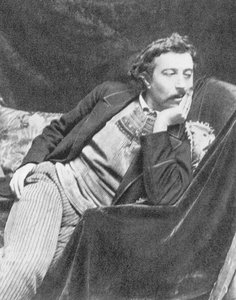
1848 - 1903 , France

 Preview
 Send
Send Share
Share
 Details
 Guide
Guide

 Download
 Similars
 X-Ray
X-Ray Diaporama
 Stats
Stats
 Read More


