Oil On CanvasWallArtPost-Impressionism
 188819th Century
 92.0 x 73.0 cm
 Indianapolis Museum of Art
Museum-quality giclée or canvas print with fast production and flexible finish options. ( Buy Hand Made Painting Switch to Digital Image)





























Pick from our preset sizes that match the artwork's original proportions.

You may enter your own dimensions to fit a specific frame or space. If your selected size does not match the original image's proportions, we will either crop the artwork or extend the image with a mirrored or solid-fill edge. A digital mockup will be sent for your approval before production begins.
Please note that the on-screen preview does not reflect the actual cropping or extension. Only the mockup will accurately show the final composition.
While custom sizes are available, we recommend selecting a dimension from the predefined list to preserve the original proportions.
Worldwide Delivery () in 2 weeks instead of standard 4/5 weeks. (12 September)


Haystack, near Arles
Reproduction Size
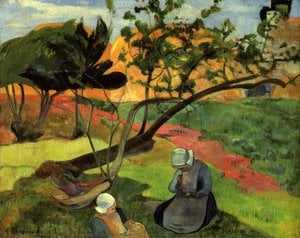
Paul Gauguin's Haystack, near Arles (1888) isn’t merely a depiction of a rural scene; it’s an immersion into the heart of post-impressionist emotion. This painting, currently residing in the Indianapolis Museum of Art, transcends its humble subject matter – a simple haystack bathed in the Provençal sun – to become a profound meditation on color, form, and the relationship between humanity and nature. Gauguin, deeply influenced by Vincent van Gogh’s vibrant palette and expressive brushwork, embarked on this project during his sojourn in Arles, a period marked by both artistic collaboration and personal turmoil. The painting immediately draws the eye to the dominant yellow of the haystack, an almost luminous hue that seems to radiate warmth and abundance. This isn't simply a representation of agricultural wealth; it’s a deliberate assertion of life, fertility, and the core values of rural existence – a theme central to Gauguin’s artistic vision.
(Image of Haystack, near Arles by Paul Gauguin)
Gauguin’s relationship with Vincent van Gogh is inextricably linked to this work. Their shared time in Arles fostered a mutual exchange of ideas and techniques, though Gauguin ultimately forged his own distinctive path. The influence of Van Gogh's bold brushstrokes and intense color are evident here, yet Gauguin subtly transforms them into something uniquely his own. Furthermore, the painting reveals an equally significant debt to Paul Cézanne, whose exploration of geometric forms and the interplay of light and shadow profoundly shaped Gauguin’s approach to landscape. Notice how the haystack is not rendered as a single, unified mass but rather as a collection of interlocking planes – a deliberate nod to Cézanne's revolutionary vision. The careful arrangement of the house in the distance, with its simple white facade and receding perspective, further reinforces this connection.
Beyond its formal elements, Haystack, near Arles is rich in symbolic meaning. The haystack itself has long been associated with abundance, fertility, and the cycle of life – a potent symbol of rural prosperity. The distant house represents stability, security, and perhaps even a longing for connection to a simpler way of life. The two figures glimpsed within the scene—one closer to the viewer, the other further back—add an element of mystery and invite contemplation about human presence within this vast landscape. Gauguin’s use of color – the vibrant greens of the fields, the earthy browns of the soil, and the warm oranges of the setting sun – creates a harmonious yet dynamic composition that captures the essence of the Provençal countryside.
Haystack, near Arles stands as a pivotal work in the transition from Impressionism to modern art. Gauguin’s bold experimentation with color and form paved the way for subsequent movements such as Fauvism and Expressionism, demonstrating his profound influence on generations of artists. His willingness to challenge conventional artistic norms and prioritize personal expression over objective representation cemented his place as a revolutionary figure in the history of art. For those seeking to experience the raw emotion and vibrant beauty of this masterpiece, WahooArt offers meticulously crafted hand-painted reproductions that faithfully capture Gauguin’s genius. Explore more of Gauguin's captivating works on WahooArt, including his iconic Tahitian paintings, and discover how this remarkable artist continues to inspire awe and admiration today. The Indianapolis Museum of Art also holds a diverse collection of artworks from various artists and movements, offering further opportunities for artistic exploration.

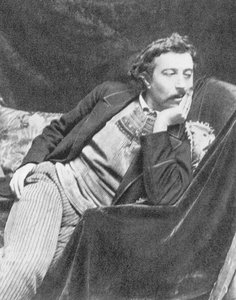
1848 - 1903 , France

Master the nuances of Impressionism vs. Post-Impressionism with our expert guide. Explore the revolutionary shift from Monet’s fleeting light to Van Gogh’s emotional depth. Discover how these iconic movements continue to inspire fine art collectors and modern interiors today.

Explore the transformative era of Post-Impressionism. Discover how masters like Cézanne and Matisse revolutionized color and form, moving beyond Impressionism to shape modern art history through structural innovation and expressive emotion.

Explore the vibrant evolution of Post-Impressionism. From Seurat's revolutionary Pointillism to the emotional depth of masters, discover how this movement redefined modern art history through color, structure, and unparalleled creative expression.

Unveil the profound revolution of Post-Impressionism. Explore how masters like Van Gogh and Cézanne utilized bold colors and emotional depth to transcend mere representation, laying the foundation for modern art. A sophisticated journey through history's most emotive brushstrokes.

Delve into the vibrant world of Paul Gauguin. Explore his revolutionary use of color, Tahitian symbolism, and the profound impact of tropical primitivism on Post-Impressionism through an expert art-historical lens.

 Preview
 Send
Send Share
Share
 Details

 Download
 Similars
 X-Ray
X-Ray Diaporama
 Stats
Stats Read More







 Glass option is only available in size under 110 CM