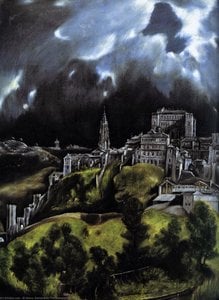
Acrylic On CanvasWallArtSpiritual Expressionism
 1592Early Medieval
 121.0 x 105.0 cm
 Hermitage Museum
Museum-quality giclée or canvas print with fast production and flexible finish options. ( Buy Hand Made Painting Switch to Digital Image)





























Pick from our preset sizes that match the artwork's original proportions.

You may enter your own dimensions to fit a specific frame or space. If your selected size does not match the original image's proportions, we will either crop the artwork or extend the image with a mirrored or solid-fill edge. A digital mockup will be sent for your approval before production begins.
Please note that the on-screen preview does not reflect the actual cropping or extension. Only the mockup will accurately show the final composition.
While custom sizes are available, we recommend selecting a dimension from the predefined list to preserve the original proportions.
Worldwide Delivery () in 2 weeks instead of standard 4/5 weeks. (10 October)
St
Reproduction Size
El Greco's “St.”, painted in 1592, isn’t merely a portrait; it’s a carefully constructed dialogue between the earthly and the divine. This arresting image, housed within the State Hermitage Museum in St. Petersburg, captures two men – identified as Paul and Peter – locked in an unspoken exchange that speaks volumes about faith, conviction, and the complexities of human nature. The painting immediately commands attention with its dramatic use of color and form, a hallmark of El Greco’s distinctive style, which he developed over decades, moving from the rigid conventions of Venetian art to a deeply personal and emotionally charged vision.
The artist masterfully employs chiaroscuro – the stark contrast between light and shadow – to sculpt the figures. The deep crimson cloak enveloping Paul is almost violently saturated, drawing the eye immediately to his face, where a fiery gaze and resolute expression dominate. This intensity suggests a man utterly committed to his beliefs, a warrior of faith prepared to defend them fiercely. Conversely, Peter’s demeanor is markedly different. He stands passively, his hands gesturing with a gentle, almost hesitant movement, his head tilted slightly downwards as if lost in contemplation. His eyes hold an expression of quiet sadness and perhaps even bewilderment – a vulnerability that sharply contrasts with Paul's assertive presence.
El Greco’s technique is instantly recognizable, characterized by elongated figures, distorted perspectives, and a deliberate flattening of space. He abandons the illusionistic realism favored by his contemporaries, instead prioritizing emotional impact over precise representation. The heavy folds of their cloaks aren't simply decorative; they actively diminish the figures, creating an almost ethereal quality, as if they are dissolving into the fabric itself. This technique reinforces the painting’s central theme: a retreat from the tangible world towards the spiritual realm. Notice how the light seems to emanate *from* the figures, rather than illuminating them – a subtle yet powerful indication of their otherworldly nature.
The artist's use of color is equally significant. The deep reds and blues are not naturalistic; they’re imbued with symbolic weight. Red often represents passion, sacrifice, and divine fire, aligning perfectly with Paul’s character. Blue, frequently associated with contemplation and the heavens, subtly underscores Peter’s more introspective nature. El Greco's brushwork is loose and expressive, contributing to the overall sense of movement and dynamism within the composition.
Beyond their individual personalities, Paul and Peter embody a broader spiritual tension. El Greco frequently depicted saints in this manner – figures stripped down to their essential nature, often resembling common men. The ascetic quality of their faces, reminiscent of icons from Byzantine tradition, suggests a rejection of worldly vanity and an unwavering devotion to faith. The fact that they are standing close together, yet seemingly engaged in separate thoughts, hints at the internal struggles inherent in the path of righteousness – the constant battle between earthly desires and spiritual aspirations.
Furthermore, the setting itself contributes to the painting’s symbolic weight. The suggestion of a dining area, with its table and bottle, subtly reminds us of the temptations that can distract from our higher purpose. It's as if El Greco is presenting a microcosm of human existence – a space where earthly pleasures and spiritual pursuits collide.
El Greco’s “St.” remains a profoundly moving work, offering a glimpse into the artist’s unique vision and his exploration of fundamental human themes. WahooArt is proud to offer meticulously crafted hand-painted reproductions that faithfully capture the painting's dramatic intensity and nuanced details. Whether you are an art enthusiast, a collector seeking to enrich your collection, or an interior designer searching for a statement piece, our reproduction provides an authentic representation of this iconic masterpiece. The scale of 121 x 105 cm allows for impactful display, while the vibrant colors and masterful brushwork will bring El Greco’s vision to life in your space. Explore our collection today and experience the enduring power of ‘St.’
El Greco was 51 years old when creating "St" in 1592. The age is computed from the artist's birth year, 1541.
A reproduction of "St" by El Greco is recommended for statement. This suggestion follows from the work's subject, mood and colors.
The creation of "St" by El Greco is dated 1592.
You can see the original "St" at the Hermitage Museum, Saint Petersburg, Russia.
The medium of "St" by El Greco is acrylic on canvas. Reproductions aim to render the appearance of this technique.
The artist behind "St" is El Greco. The work is catalogued under El Greco's name.
Hand-painted copies of "St" by El Greco are sold on this website: a hand-painted oil reproduction on linen canvas, ordered from this page.

1541 - 1614 , Greece

Discover the profound beauty of Saint Artworks. Explore the history, symbolism, and luminous mastery of Renaissance religious masterpieces through an expert art-historical lens.
Explore the divine mastery of Byzantine gold leaf and gilding. Discover how ancient artisans used gold ground and mosaics to create celestial light, a timeless legacy of spiritual splendor and technical excellence in sacred art history.

Embark on a scholarly journey through the golden era of Byzantine art. Discover the profound symbolism, masterful mosaics, and imperial grandeur that defined an epoch of spiritual and aesthetic splendor in this expert-led guide for art enthusiasts.

Embark on a profound journey through art history with our exploration of Saint Francis's most iconic works. Discover Giotto’s revolutionary frescoes and the spiritual depth of Proto-Renaissance masterpieces through an expert lens for the true classic art enthusiast.

Explore the profound iconography of Saint Jerome through art history's most iconic masterpieces. From Renaissance serenity to Baroque drama, discover how legendary painters captured divine devotion in breathtaking oil paintings and fine art reproductions.

 Preview
 Send
Send Share
Share
 Details
 Guide
Guide

 Download
 Similars
 X-Ray
X-Ray Diaporama
 Stats
Stats Read More









 Glass option is only available in size under 110 CM