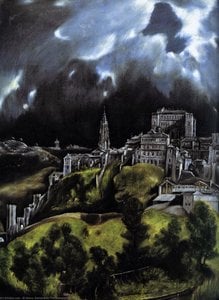
Acrylic On CanvasWallArtmannerism
 1610Renaissance
 110.0 x 64.0 cm
 Metropolitan Museum of Art
Museum-quality giclée or canvas print with fast production and flexible finish options. ( Buy Hand Made Painting Switch to Digital Image)





























Pick from our preset sizes that match the artwork's original proportions.

You may enter your own dimensions to fit a specific frame or space. If your selected size does not match the original image's proportions, we will either crop the artwork or extend the image with a mirrored or solid-fill edge. A digital mockup will be sent for your approval before production begins.
Please note that the on-screen preview does not reflect the actual cropping or extension. Only the mockup will accurately show the final composition.
While custom sizes are available, we recommend selecting a dimension from the predefined list to preserve the original proportions.
Worldwide Delivery () in 2 weeks instead of standard 4/5 weeks. (5 October)


Saint Andrew
Reproduction Size
Doménikos Theotokópoulos, universally known as El Greco – “the Greek” – stands apart in the annals of art history as a painter who wrestled with both Byzantine tradition and Western innovation. Born in Crete in 1541, amidst the waning Venetian dominion, his artistic odyssey traversed Venice and Rome before anchoring him firmly in Spain’s Toledo, where he forged a singular style that foreshadowed the expressive fervor of Expressionism and the fractured perspectives of Cubism centuries hence.
El Greco wasn't merely responding to his surroundings; he actively synthesized them into something profoundly original. His early training within Byzantine iconography instilled in him meticulous detail and an acute understanding of religious symbolism—a foundation that wouldn’t confine him. He signed his canvases in Greek, appending “Krḗs” – Cretan – as a defiant assertion of his heritage, even as he embraced new artistic horizons.
The workshop replica of Saint Andrew, housed at The Metropolitan Museum of Art in New York, offers a glimpse into the artist’s masterful approach. Measuring 110 x 64 cm, it exemplifies El Greco's ability to fuse Byzantine solemnity with Western artistic experimentation.
Historical Context: This painting is a reflection of El Greco’s larger canvas, Saints Andrew and Francis (circa 1595), residing in Madrid’s Museo del Prado. The popularity of El Greco’s style during his lifetime underscores its enduring resonance. Saint Andrew's martyrdom—a poignant symbol of sacrifice for faith—is portrayed with palpable emotion.
Symbolism: The outstretched arms of Saint Andrew convey humility and supplication, while the two crosses he holds represent Christ’s crucifixion and symbolize redemption. The cloudy backdrop contributes to an atmosphere of spiritual contemplation.
El Greco's influence extends far beyond his own time. He is regarded as a precursor to movements like Expressionism and Cubism, inspiring artists and writers alike—Rainer Maria Rilke and Nikos Kazantzakis among them. Saint Andrew by El Greco remains an unforgettable testament to artistic genius and spiritual conviction.
For those seeking inspiration or contemplating acquiring a high-quality reproduction of this iconic artwork, further exploration into El Greco’s oeuvre is highly recommended.
El Greco used the acrylic on canvas technique for "Saint Andrew". The technique defines the material nature of the original work.
"Saint Andrew" by El Greco is in the public domain - its copyright has expired. This status governs how the image of the work may be reproduced.
When "Saint Andrew" was created in 1610, El Greco - born in 1541 - was 69 years old.
"Saint Andrew" by El Greco can be viewed as a slideshow on the artwork's Diaporama page.
"Saint Andrew" dates from 1610. The date places the work within El Greco's career and its era.
The recorded values for "Saint Andrew" by El Greco are: deep_shadow brightness, dark luminance.
The artist behind "Saint Andrew" is El Greco. The work is catalogued under El Greco's name.


1541 - 1614 , Greece

Discover the profound allure of oil on canvas. Explore the mastery of impasto textures, the science of pigment longevity, and expert guides to selecting museum-quality reproductions that elevate your collection with timeless elegance and tactile depth.

Discover the profound beauty of Saint Artworks. Explore the history, symbolism, and luminous mastery of Renaissance religious masterpieces through an expert art-historical lens.

Explore the profound iconography of Saint Jerome through art history's most iconic masterpieces. From Renaissance serenity to Baroque drama, discover how legendary painters captured divine devotion in breathtaking oil paintings and fine art reproductions.

Embark on a sophisticated journey through art history with our exploration of Saint Peter's most powerful masterpieces. Discover the profound emotional depth and technical brilliance of Renaissance and Baroque icons, curated for the discerning classic art enthusiast.

Discover the enduring allure of oil on canvas. Explore how master techniques like impasto and glazing create the depth, texture, and emotional resonance found in the world's greatest masterpieces. An essential guide for fine art enthusiasts and discerning collectors.

 Preview
 Send
Send Share
Share
 Details
 Guide
Guide

 Download
 Similars
 X-Ray
X-Ray Diaporama
 Stats
Stats Read More







 Glass option is only available in size under 110 CM